The Birkenstock, Semiotics and the Ugliest Shoe in the World That Became a $9 Billion Company
Design Ideas and Random Thoughts
Read Time: 4 min
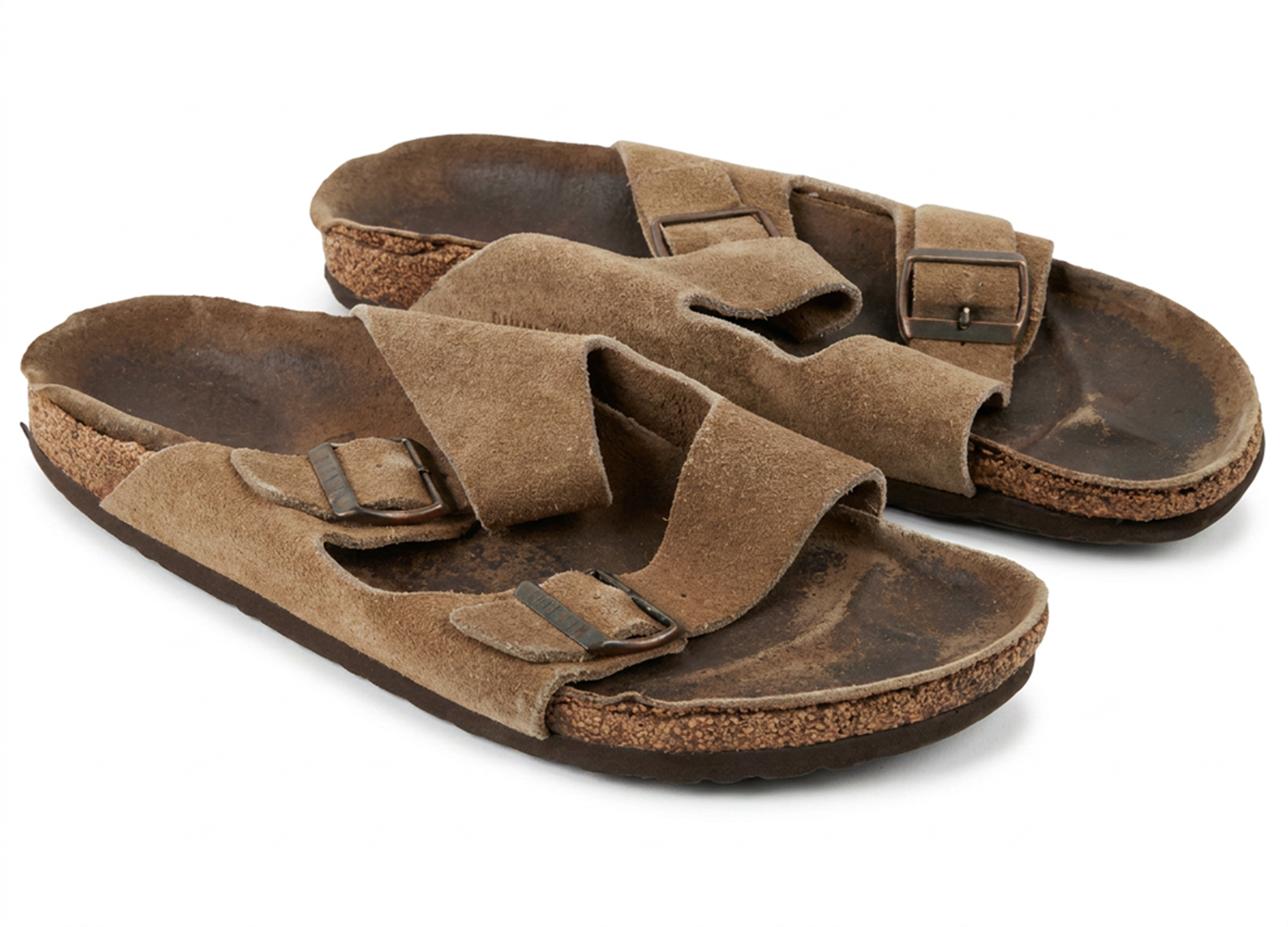
Steve Jobs' Birkenstock Arizona sandals
Quote of the week:
"Ugliness is in a way superior to beauty because it lasts." Serge Gainsbourg
Made me think:
🧠 Semiotics — First systematised by Swiss linguist Ferdinand de Saussure in the early 1900s, semiotics is the study of signs and meaning: how objects, words, and images carry significance not because of any inherent quality, but because of the social agreement that surrounds them. In 1986, a 23-year-old Michael Jordan sat on the David Letterman show and agreed, on television, that the Air Jordan 1 was ugly. Letterman called it, Jordan shrugged and said "it doesn't have any white in it." The shoe became one of the most valuable objects in sneaker history. It hadn't changed. The meaning had. 👉 Watch the Letterman clip here
The Ugliest Shoe in the World.
The Birkenstock family has been making shoes in Germany since 1774. For most of those 250 years, no body outside the orthopaedic community and nuns particularly cared. The shoe was ugly, functional, and worn almost exclusively by people who had been told to wear it by a doctor.
Then, in 2023, the company listed on the New York Stock Exchange at a valuation of $8.64 billion. And somewhere between the doctor's waiting room and Wall Street, something remarkable happened.
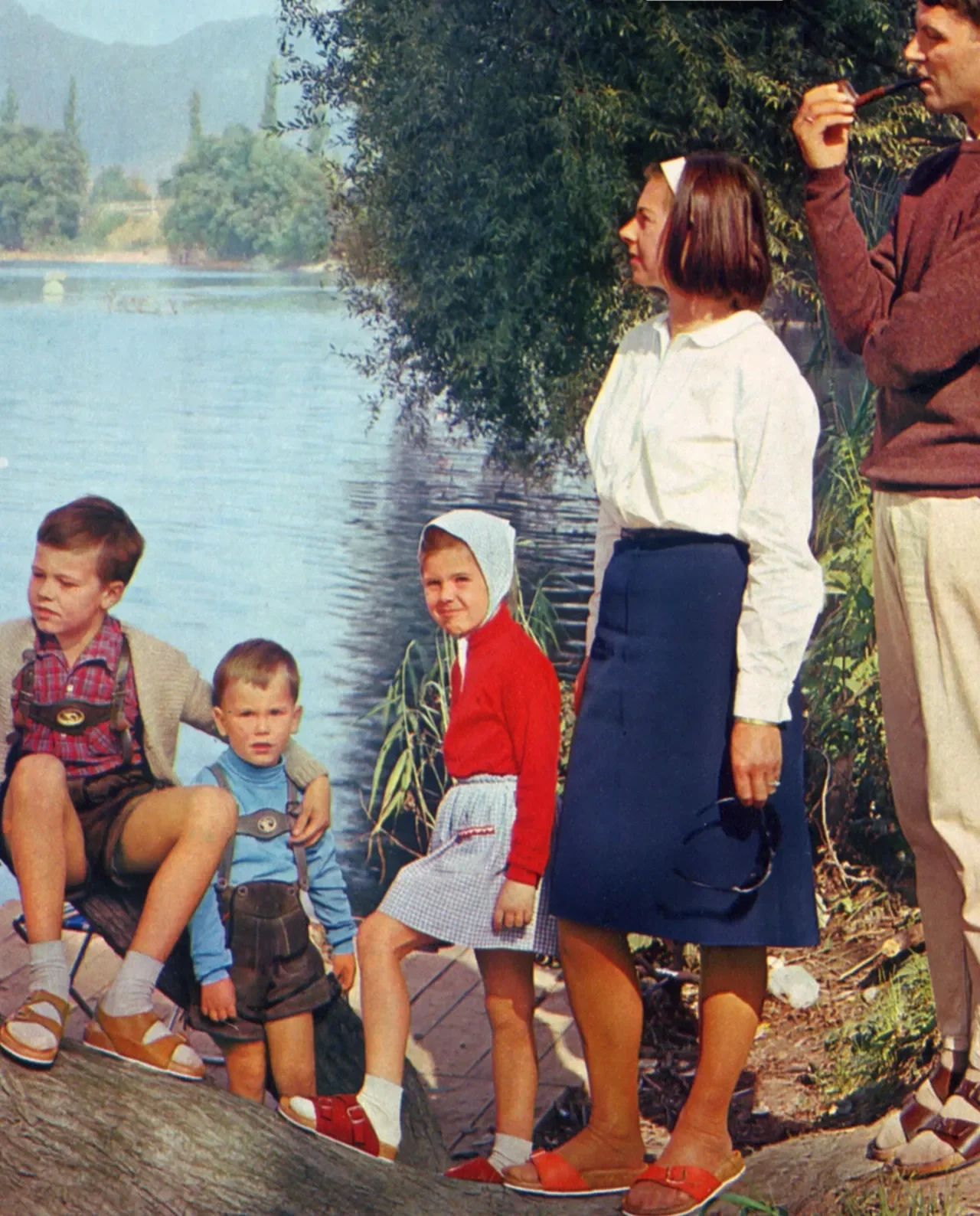
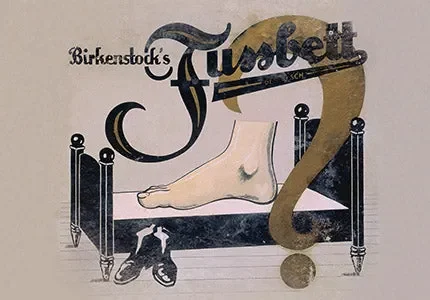
The design had not changed. The contoured cork footbed with arch support (or fussbet as its known), the wide two-strap silhouette, the practical buckle closure: all of it was exactly as Karl Birkenstock had designed it in the early 1960s, inspired, per the family's own history, by the no-frills Brutalist architecture of postwar Europe. A sandal designed to look like a building. Functional, structural, unadorned.
The shoe did not become fashionable because it was redesigned. It became fashionable because the meaning attached to it shifted, and because utility does't expire like trends.
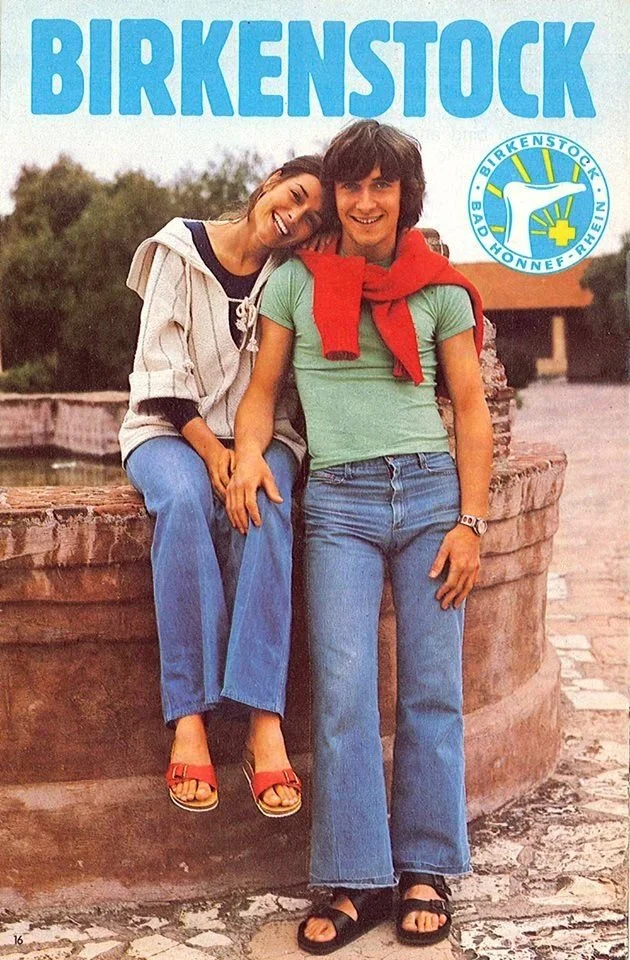
Vintage 1977 Birkenstock AD
The American chapter begins with a woman named Margot Fraser. Born in Berlin, she had emigrated to Northern California after the war and worked as a seamstress. In 1966, she visited a Bavarian spa and discovered a pair of Birkenstocks, which relieved the foot pain she had been living with for years. She bought the import rights, returned to California, and tried to sell them through shoe stores. Not one would take them. The shoe was too strange, too wide, too purposeful. Fraser, undeterred, started selling them through health food stores.
That single distribution decision changed everything. The sandal had no particular connection to the counterculture, but by selling it next to organic produce and vitamin supplements, Fraser placed it inside a system of meaning that connected it to an entire value set: natural materials, bodily health, anti-consumerism, the rejection of mainstream fashion. The shoe became a sign for something that had nothing to do with the shoe.
Hippies adopted it. The peace movement adopted it. California tech culture adopted it. Steve Jobs wore a pair of brown suede Arizona Birkenstocks every day through the founding of Apple at the garage in Los Altos, through the years of building the Macintosh, through the early iPod era. When those sandals came up for auction at Julien's in New York in November 2022, they sold for $218,750. The auction house noted, with a straight face, that the cork footbed "retains the imprint of Steve Jobs' feet." When asked whether they smelled, the executive director said they smelled "of success."
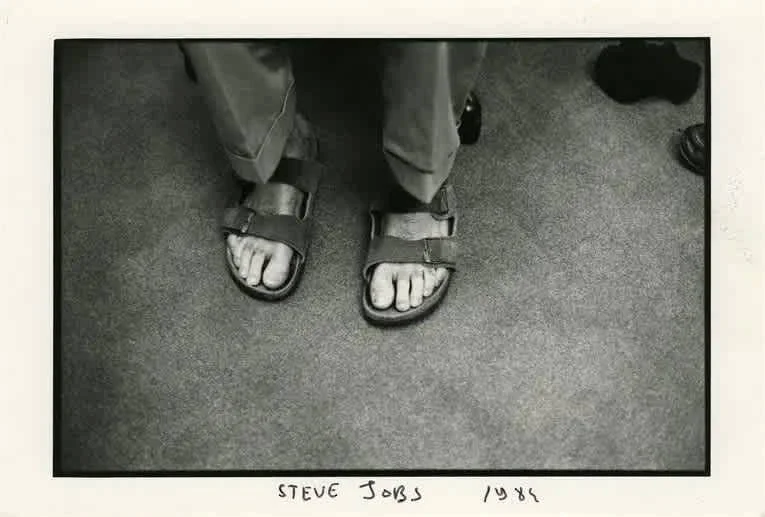
Steve Jobs' Birkenstock Arizona sandals, sold at Julien's Auctions, November 2022 for $218,750
The shoe spent a further two decades in comfortable, respectable obscurity. Loyalists kept wearing them. The mainstream did not. Then, in 2012, something shifted again.
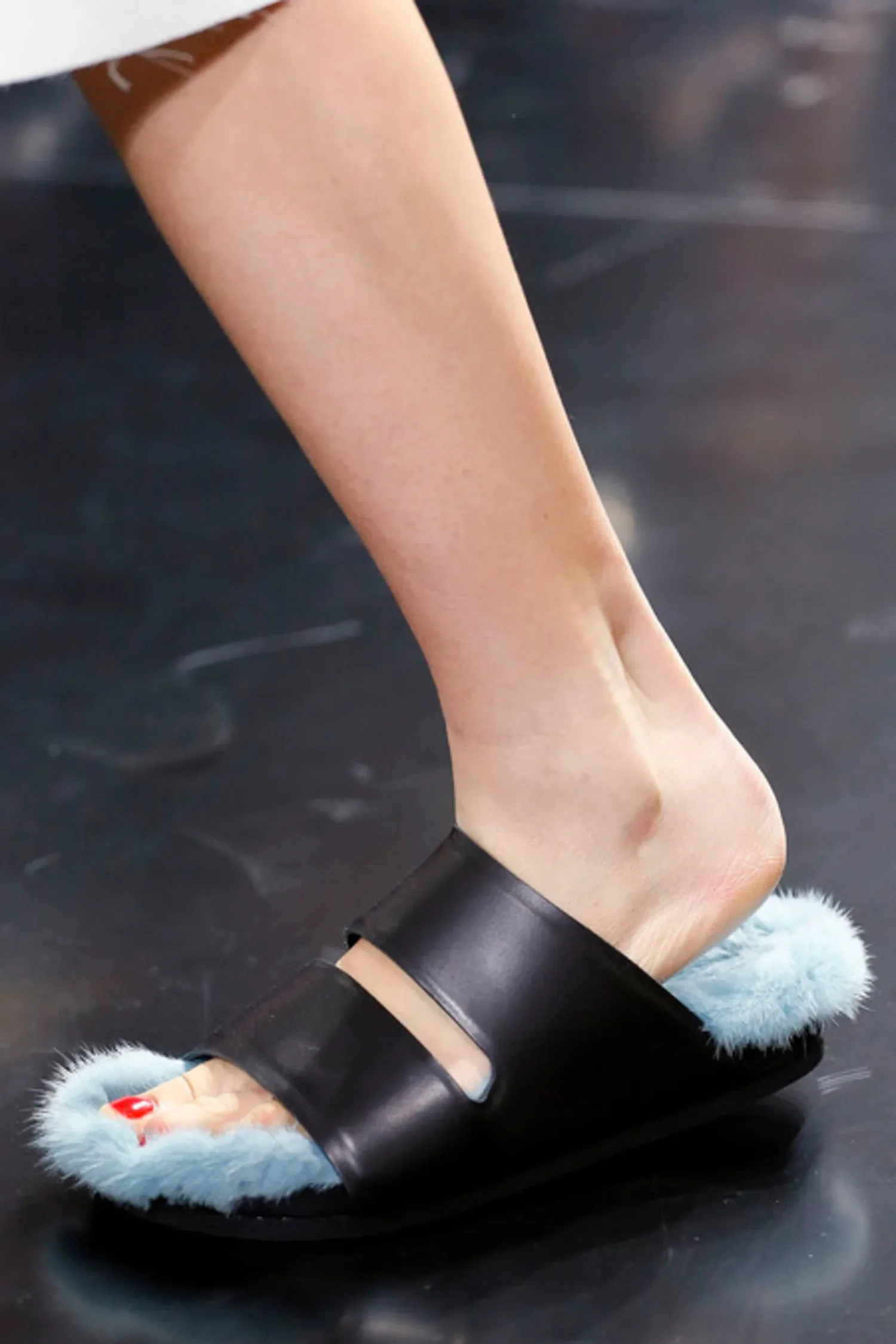
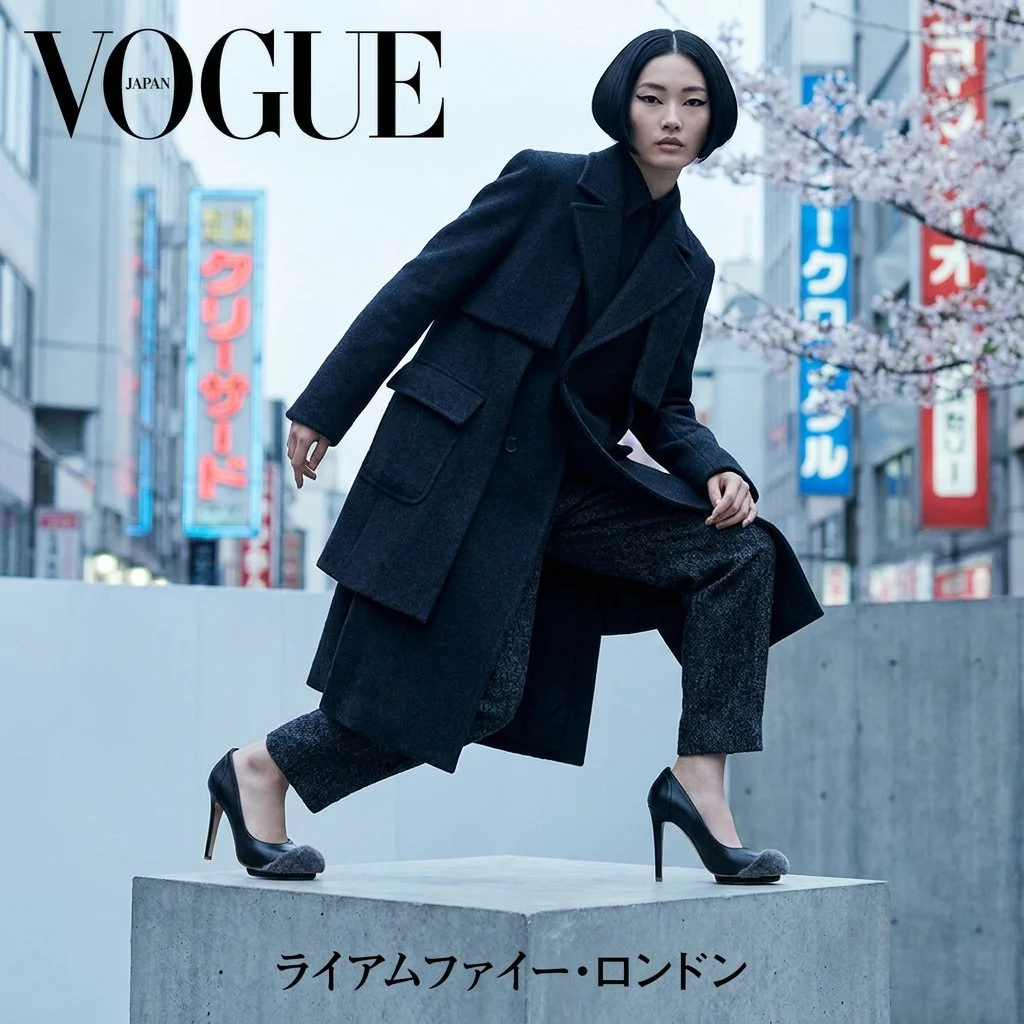
Phoebe Philo, the designer at the helm of Celine and the most influential figure in luxury fashion at the time, sent a fur-lined version of the Arizona down the Paris runway. The internet called them Furkenstocks. The fashion press wrote about little else for a week. Birkenstock had not changed the shoe. Philo had simply placed it inside a different system of meaning: luxury, minimalism, intellectual femininity, the rejection of conventional prettiness. The Birkenstock as anti-fashion statement. The Birkenstock as knowing.
From that point the collaborations arrived: Rick Owens, Valentino, Proenza Schouler, Manolo Blahnik. The Boston clog, which had barely changed since 1976, became the most searched shoe on Lyst for all of 2022. A sandal that had been rejected by every shoe store in America in 1966 for being too strange was now the most desirable object in fashion.

The IPO in October 2023 completed the arc. Oliver Reichert, the first CEO from outside the Birkenstock family, showed up at the NYSE in a black shirt with the top three buttons open, stood next to Alexandre Arnault on the balcony, and hoisted a sandal in the air. The stock fell 11% on its first day of trading. Reichert did not seem particularly bothered. He had already made the point. An orthopaedic sandal, unchanged in its design for sixty years, was now a publicly listed luxury company valued at more than nine billion dollars.
It managed this without changing a single thing about the shoe.
Question to ponder:
The Birkenstock is one of the purest case studies in product history of how meaning, not design, drives value. The object never changed. The system of signs around it did: health food stores, counterculture, Steve Jobs, Phoebe Philo, luxury fashion, IPO. Each context transferred its meaning to the sandal.
For designers: what does that tell you about the limits of the work? If meaning is made by context rather than by form, how much of what you do is designing the object, and how much is designing the story around it?
My Recommends this week:
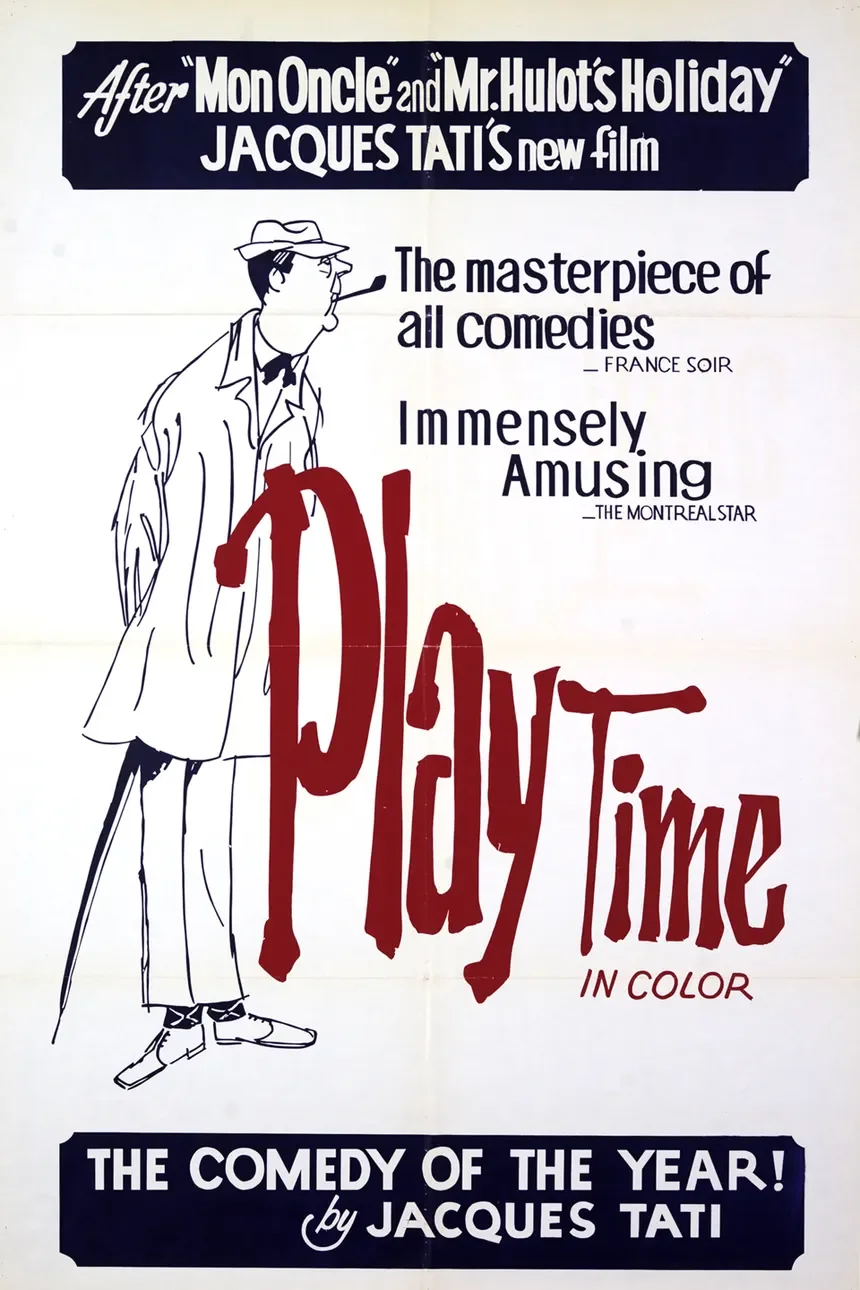
🎬 Playtime (Jacques Tati, 1967) — A refreshingly real, visual masterpiece. Tati built an entire Paris from scratch on the outskirts of the actual city, cost himself into bankruptcy doing it, and created one of the most intricately designed films ever made. No CGI, no AI, just a man who spent three years obsessing over every prop, every reflection, every background detail in 70mm. If your eyes are sick of looking at AI slop, watch this. 👉 Watch the official trailer here

🎮 A shoe game I built — I've wanted to find a way of gamifying shoes for ages, now with AI, here's my first go at it. It's just the beginning, and I'll be doing loads more of this stuff. Get on the leaderboard with a high score and you could win a real pair of shoes. Have a go and let me know what you think! 👉 Play it here
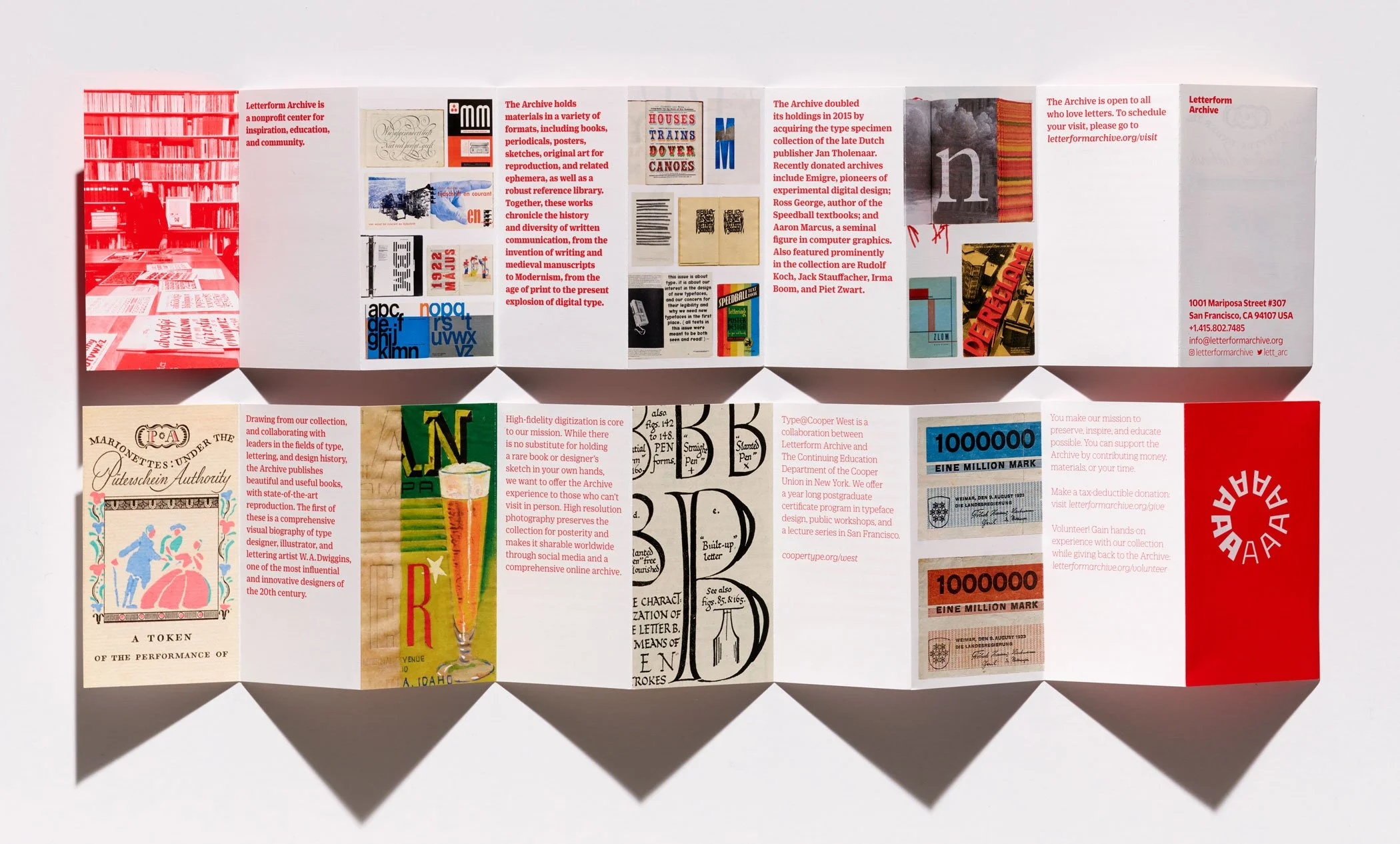
🔤 Letterform Archive Online — A free digital archive of 3,500 objects covering the entire history of typography, lettering and graphic design, from a 12th-century Qur'an to every issue of Emigre magazine, photographed in ultra-high resolution. One of the genuinely great design resources on the internet that almost nobody talks about. 👉 Check it out here
👟 Footwear Prototypes For a deep dive into innovative footwear design where I share original concepts, explore unique shoe materials, and discuss design strategy—all curated for anyone passionate about shoemaking, luxury design, and seeing fresh stuff, check out & follow my LinkedIn feed