The Controversial Story of Feiyue, the Ship of Theseus & the Award Reviving the Ancient Craft of Shoemaking
Design Ideas and Random Thoughts
Read Time: 4 min
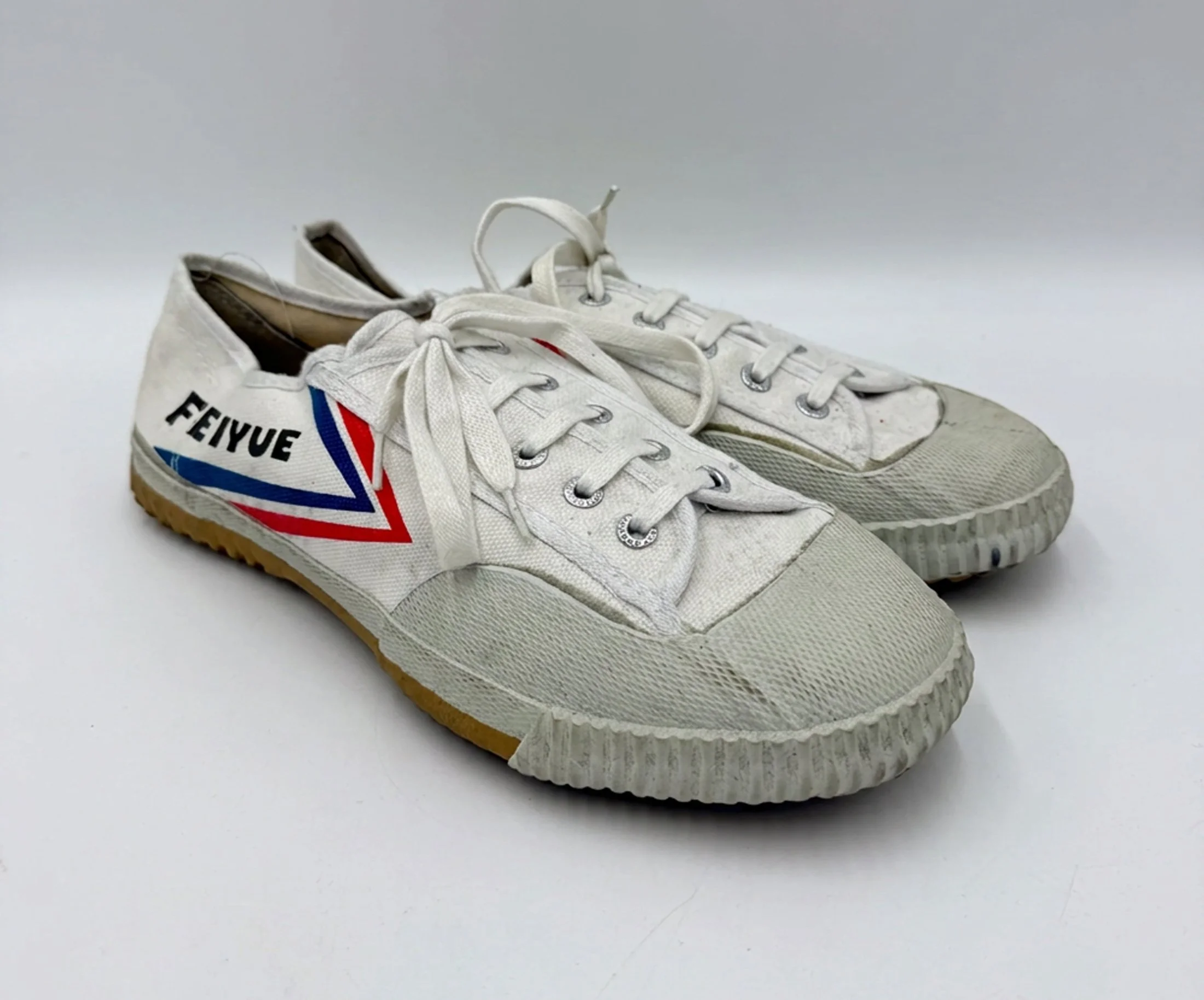
The Original Feiyue shoes
Quote of the week:
"Immature poets imitate; mature poets steal." T.S. Eliot, The Sacred Wood, 1920
Made me think:
🧠 The Ship of Theseus — An ancient Greek paradox first recorded by Plutarch. The ship of the hero Theseus was preserved in Athens as a monument, and as its planks rotted they were replaced one by one. Eventually, every single plank had been replaced. The question that followed: is it still the same ship? Applied to footwear, and specifically to Feiyue: if you take the name, the story, and the design language of a Chinese shoe, register the trademark in France, redesign the sole and the construction, and sell it to the Western world at twenty-five times the original price, is that still the same shoe?
The Most Contested Shoe on Earth.
The Feiyue (pronounced Fei-yoo-eh, meaning "Flying Leap" in Mandarin) was born in Shanghai in the 1920s, when a rubber tyre factory called Dafu began making canvas shoes as a sideline to use up excess rubber. The design was simple, almost brutally so: a white canvas upper, a flat vulcanised rubber sole with a herringbone grip pattern, a reinforced toe, and a thin cotton lining. It weighed almost nothing. It cost almost nothing. And for the next sixty years, it was the most popular shoe in China.
The numbers tell the story cleanly.
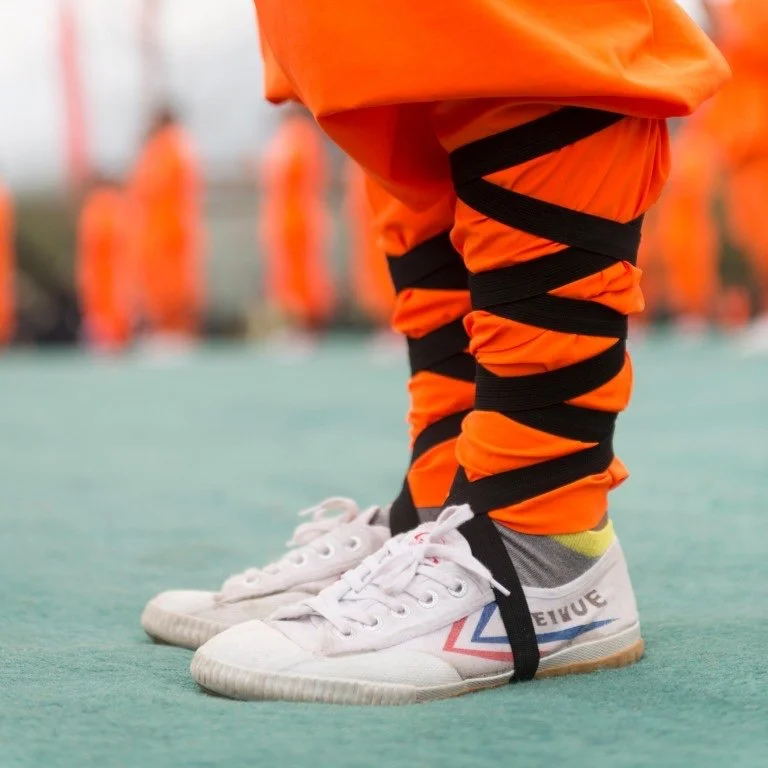
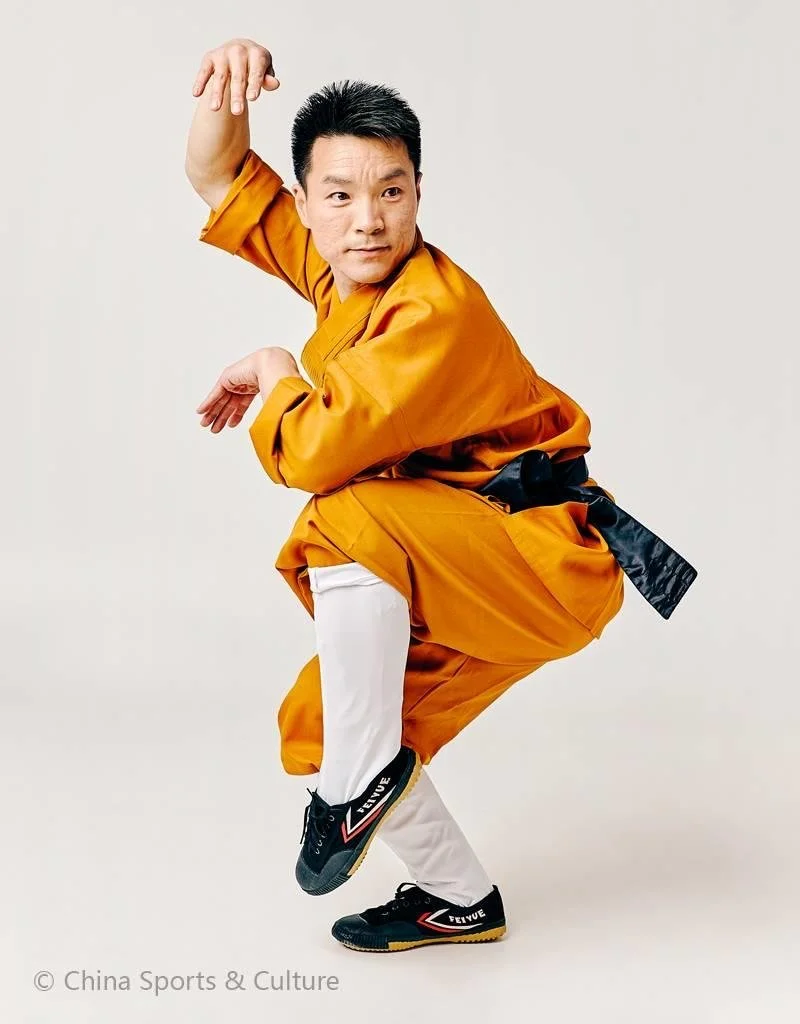
In 1958, Dafu formally registered the Feiyue trademark and began mass production of the 501 model. In the first year, the factory sold over 1 million pairs. By 1963, annual output hit 1,616,000 pairs, making Feiyue the best-selling shoe in China. Through the 1970s and 1980s, the factory was producing 10 million pairs a year, making Dafu one of the largest shoe manufacturers in all of Southeast Asia. At its cheapest, a pair of Feiyue sold for 1 to 2 yuan, roughly 15 pence. Workers wore them, students wore them, soldiers wore them. During the Cultural Revolution, Shaolin monks wore them to train in. The shoe existed at every level of Chinese society simultaneously.
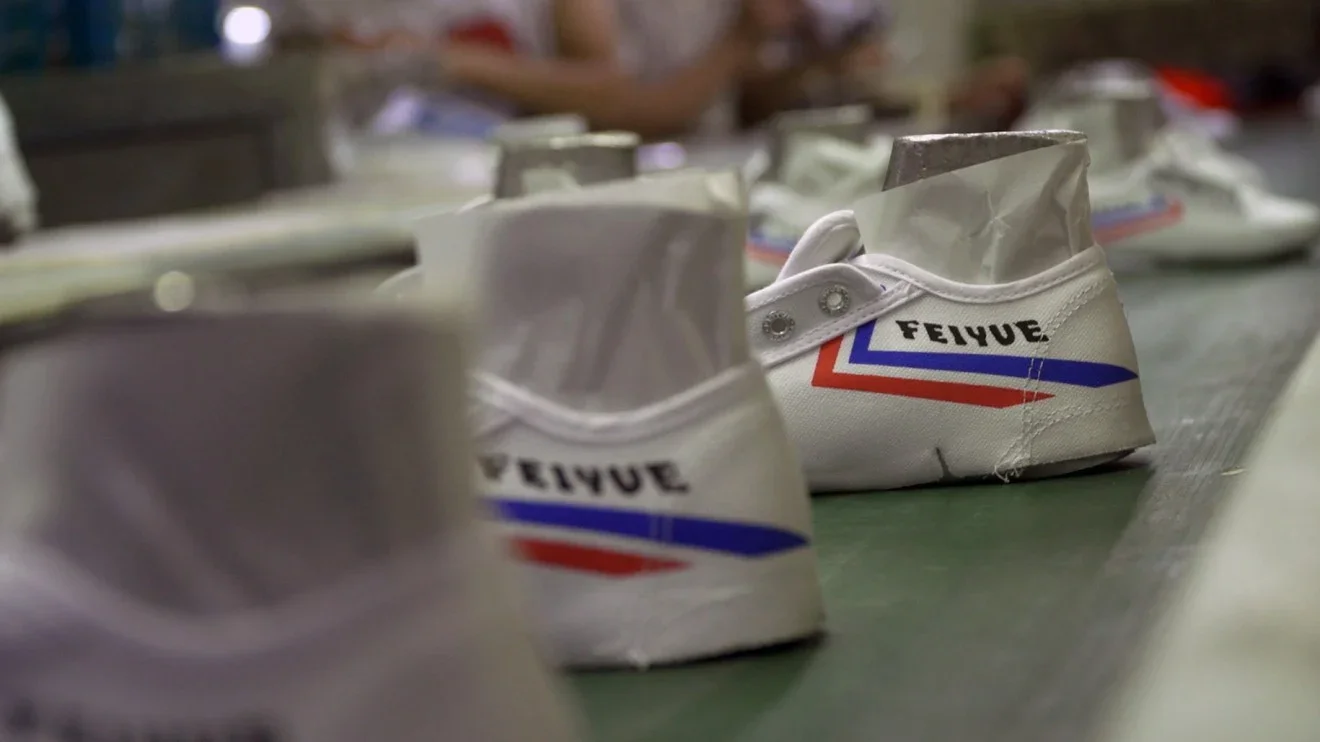
Feiyue Production Line, Dafu Factory Shanghai
Then, in the 1990s, the world arrived. Nike. Adidas. Converse. China's market opened up, foreign brands flooded in, and the Feiyue, with its thin sole and utilitarian canvas upper, looked suddenly cheap in the pejorative sense rather than the practical one. Sales collapsed. By the early 2000s, the factory was producing just 200,000 pairs a year, with a single remaining retail store in Shanghai. Dafu went bankrupt. The brand was acquired by a new owner, Liu Wangsheng, who restarted production in 2003 with a staff still steeped in the original manufacturing methods.
Then, in 2005, a Frenchman walked into a kung fu class in Shanghai.
His name was Patrice Bastian, a French marketing executive who had worked on campaigns for Louis Vuitton and Chanel. He saw Feiyue shoes on the feet of his fellow students. He saw something the Chinese market had stopped seeing: a perfectly proportioned minimalist canvas shoe with a century of heritage and the Shaolin Temple on its side. He reached out to a Feiyue distributor about overseas sales rights. The distributor agreed, verbally, to let him sell Feiyue in France.
What happened next is the central dispute.
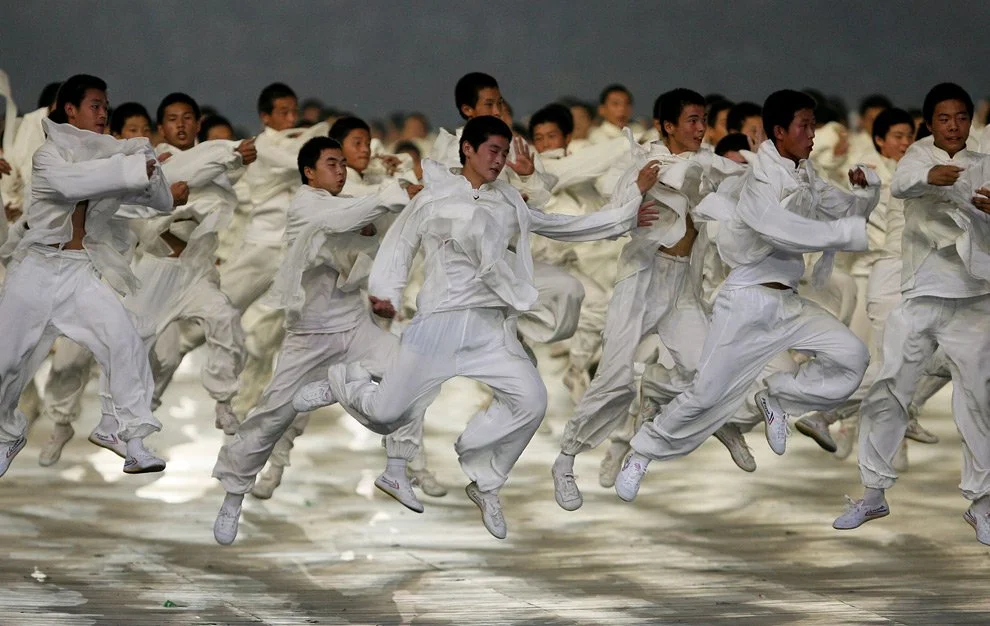
2008 Beijing Olympics Opening Ceremony Martial artists (Getty Images)
In February 2006, Bastian launched the first French-designed Feiyue collection in Paris. He registered the Feiyue trademark across Europe and, later, the United States. He redesigned the sole for comfort, improved the quality of the glue, raised the profile of the toe box, and began marketing the shoe using the imagery of Shaolin monks and Chinese martial arts heritage. He brought 3,000 pairs to France on his first order. Within months they had sold out. Within two years, the French Feiyue had cult status in Paris, London and New York.
The original Chinese factory found out the trademark had been registered abroad in 2007 and 2008, when it was already too late to challenge it. Liu Qinglong, manager of the Shanghai operation, described the reaction simply: "They're robbers." Bastian's position was equally direct. He told the South China Morning Post: "Feiyue in the US are the original ones because we have the brand registration."
Here is the commercial reality that resulted from this standoff. The French version of the shoe retails at $75 to $150 a pair. The Chinese original, made in the same city by the inheritors of the original factory, sells on Taobao for as little as $6. If the original Chinese manufacturer tries to sell shoes in France, Germany or the United States, customs authorities can legally seize them as counterfeit goods: copies of the "authentic" French brand. The shoe that invented itself is legally prohibited from selling itself in the markets where it became famous.
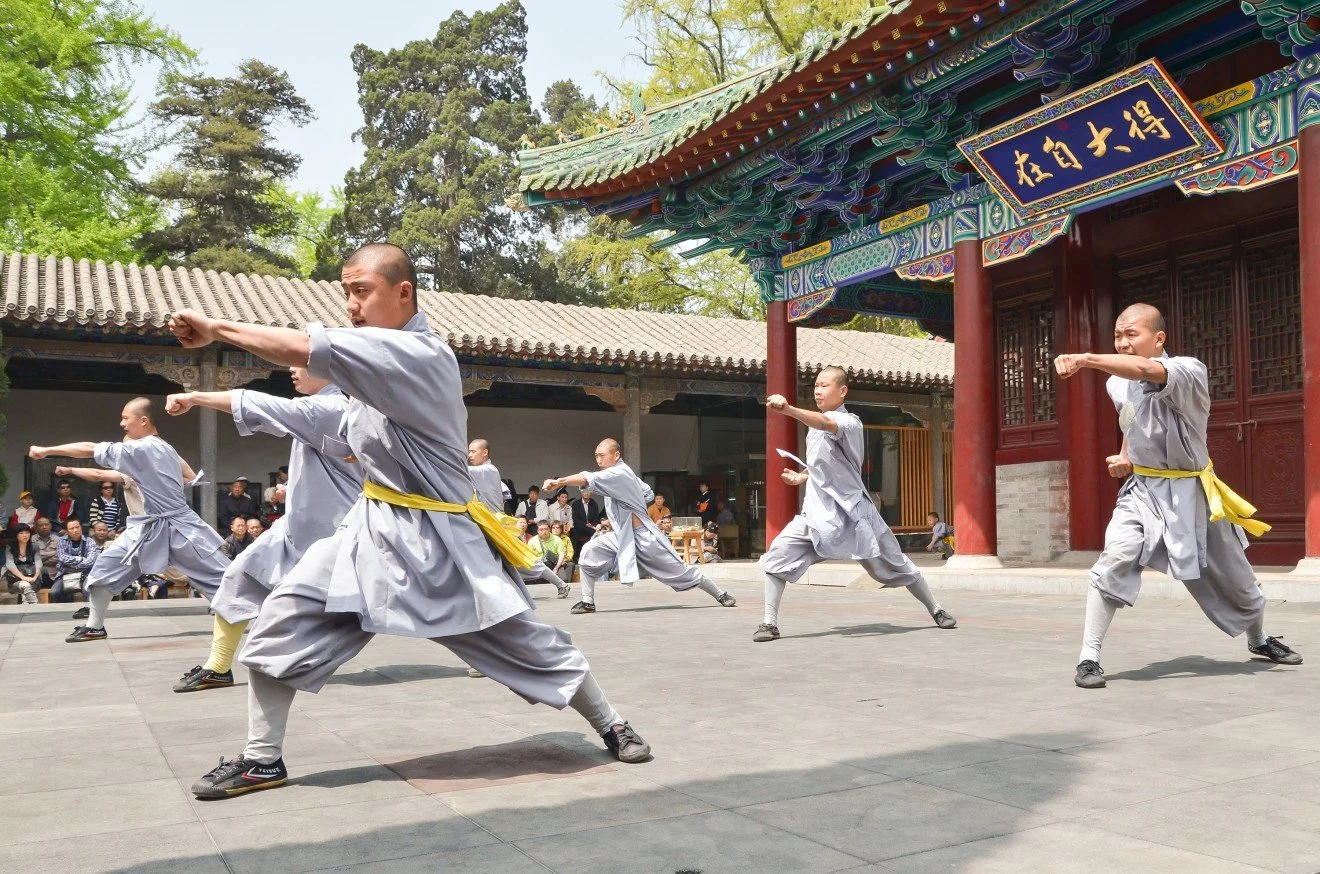
Shaolin Monks in Feiyue shoes
Meanwhile, in 2008, the Beijing Olympics opening ceremony featured thousands of martial arts performers, all wearing Feiyue shoes made by the original Chinese manufacturer. The world watched and admired. The brand that owned the rights to that performance in the Western world was a company based in Boca Raton, Florida, which had bought the French operation in 2014 for an undisclosed sum.
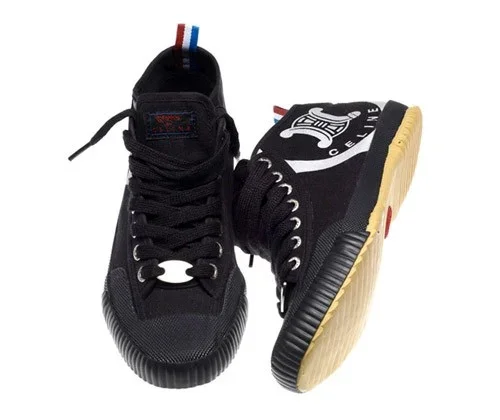
Feiyue(French) Celine collab 2008
Orlando Bloom was photographed wearing the French version on a film set in 2007. Poppy Delevingne told W Magazine she "lived in" them. Collaborations arrived with Casio, Swarovski, Marvel and Disney. The Chinese Dafu factory, in an ironic acknowledgement of the situation, eventually changed its own sole stamp from the original green triangle to a red circle to match the French version, because consumers had been conditioned by the Western brand to expect it.
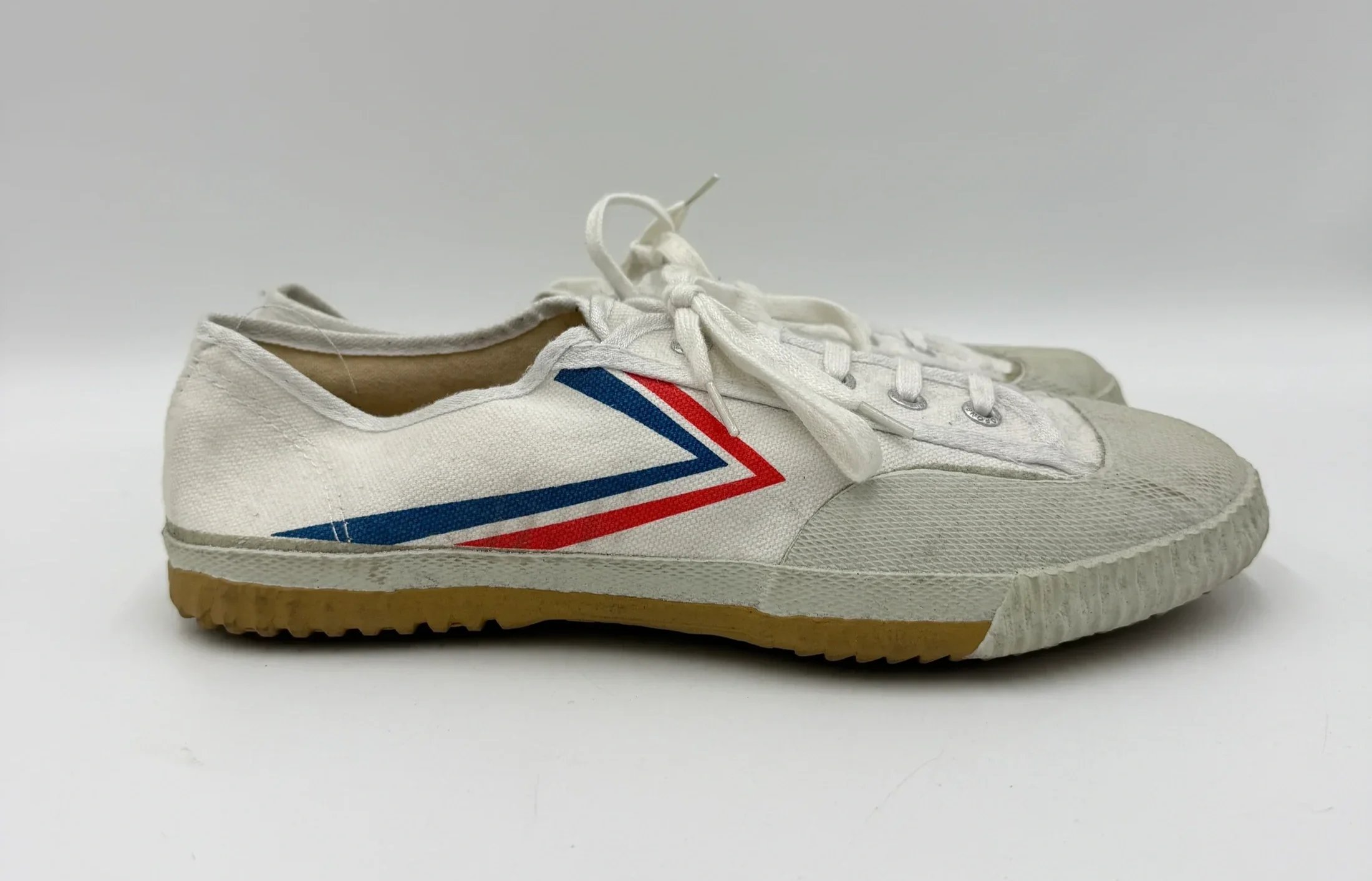
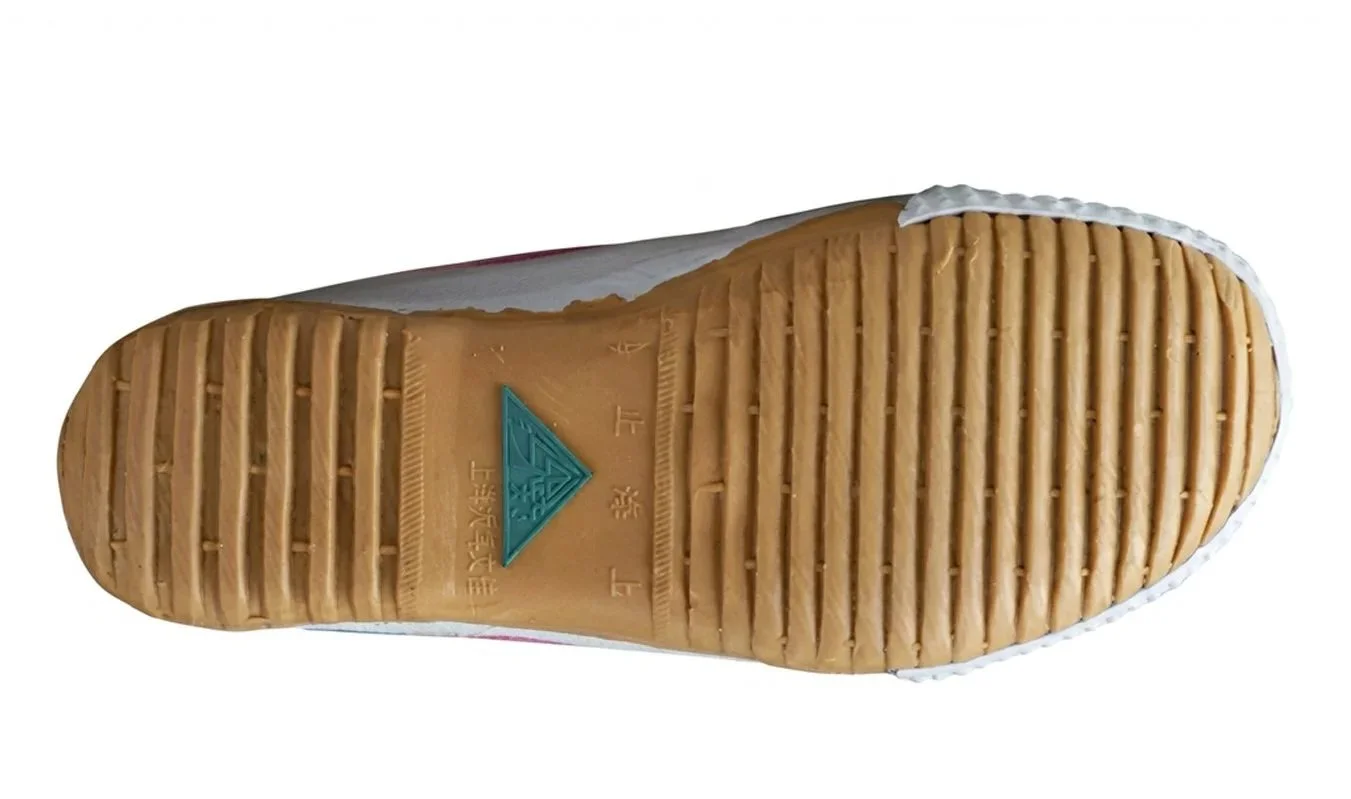
The original sole logo
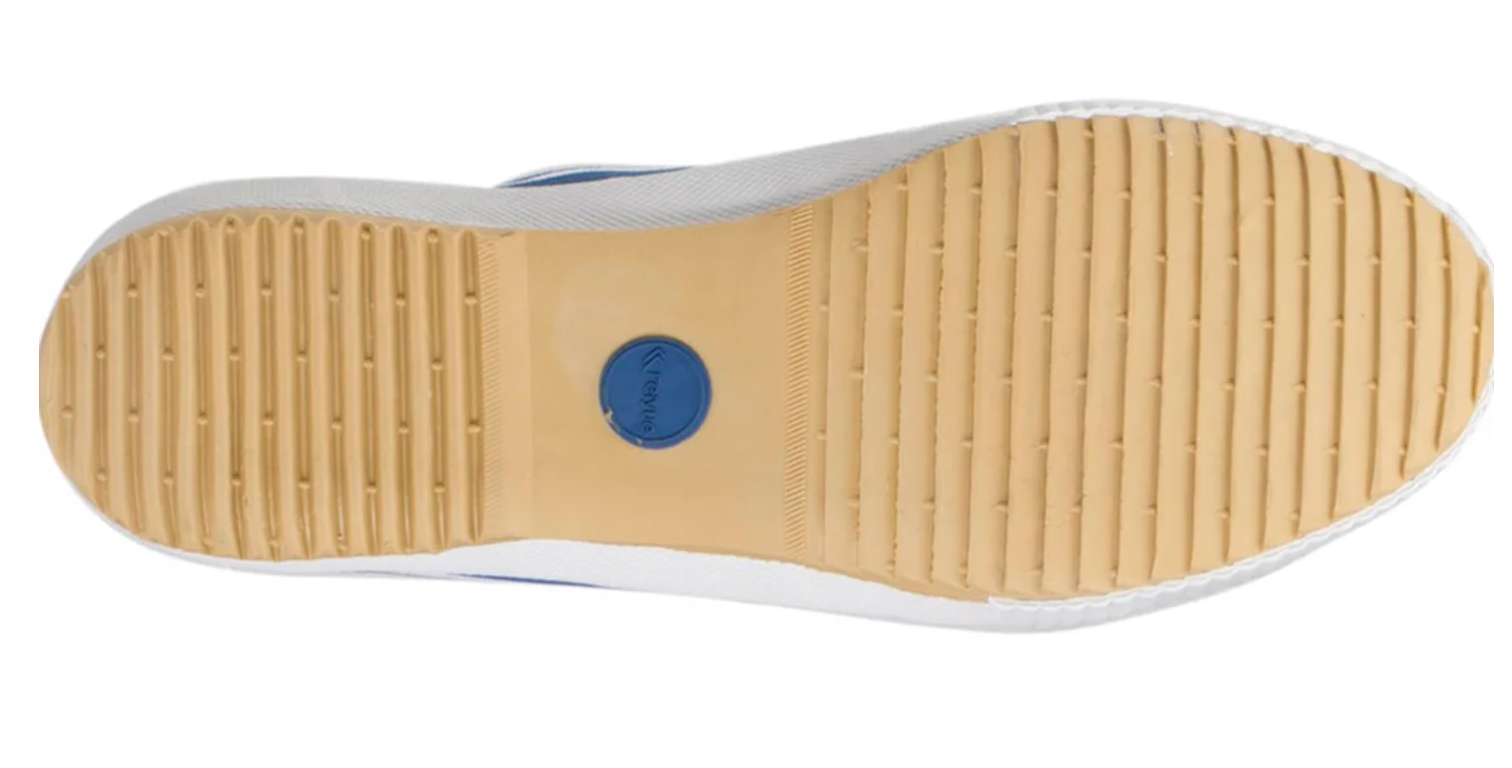
The non original sole
Today, the Chinese factory runs with 3,000 employees, producing 36,000 pairs a day and selling around 5 million pairs a year in China alone. In 2019, Chinese Feiyue sales exceeded 10 million pairs, generating nearly 200 million yuan ($29 million) in revenue. Feiyue has since collaborated with Disney, Marvel, Pepsi and Douban, released over 150 new designs a year, and enjoyed double-digit annual growth throughout the last decade, driven by the guochao, or "domestic wave," movement: a resurgence of pride in Chinese heritage brands.
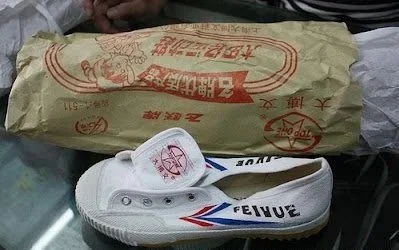
The original paper bag packaging
The two companies remain in a legal standoff. The original Chinese manufacturer cannot sell in France or the United States. The French-American company owns the rights to a heritage it did not create, in the markets where that heritage is most valued. (Heres the Chinese website and here's the French one)
Question to ponder:
The French company took nothing physical from the Chinese original. It took a name, a story, and a silhouette, and built something new from them. The Chinese company kept the factory, the methods, the people and the design, but lost the markets.
Intellectual property law says the French company owns Feiyue in the West. History says something different.
As designers and makers: when does inspired by become stolen from? And who gets to decide?
My Recommends this week:
🎨 Craighill — A Brooklyn-based design studio founded in 2015 by designer Hunter Craighill, building everyday objects, keyrings, card holders, puzzles, scissors, lighters, to a standard they have almost no right to be. Every object starts with a mundane problem and ends as something you want to pick up and hold. Their Instagram is one of the most satisfying feeds in design. A reminder that nothing is too ordinary to be done properly.
👉 Website / Instagram
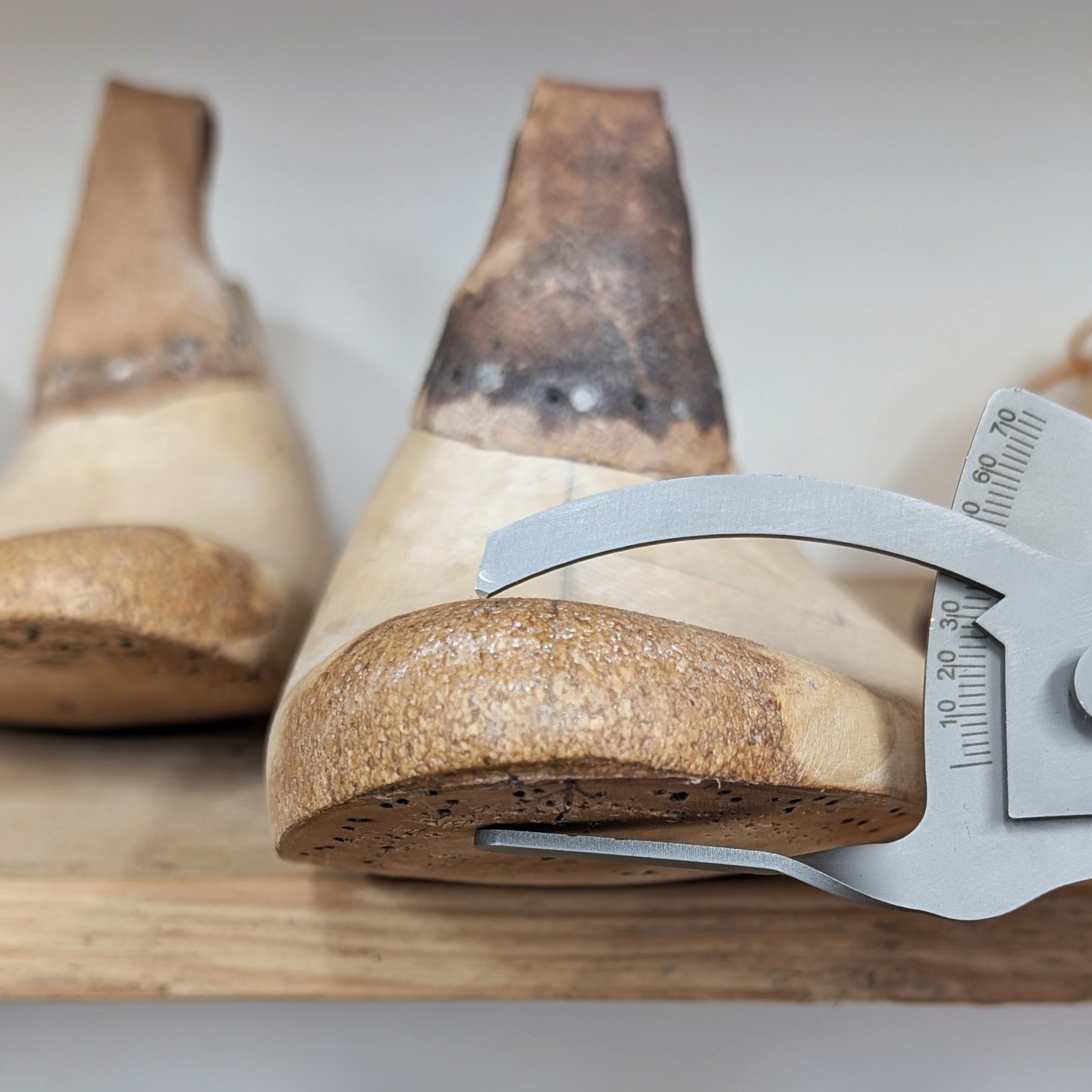
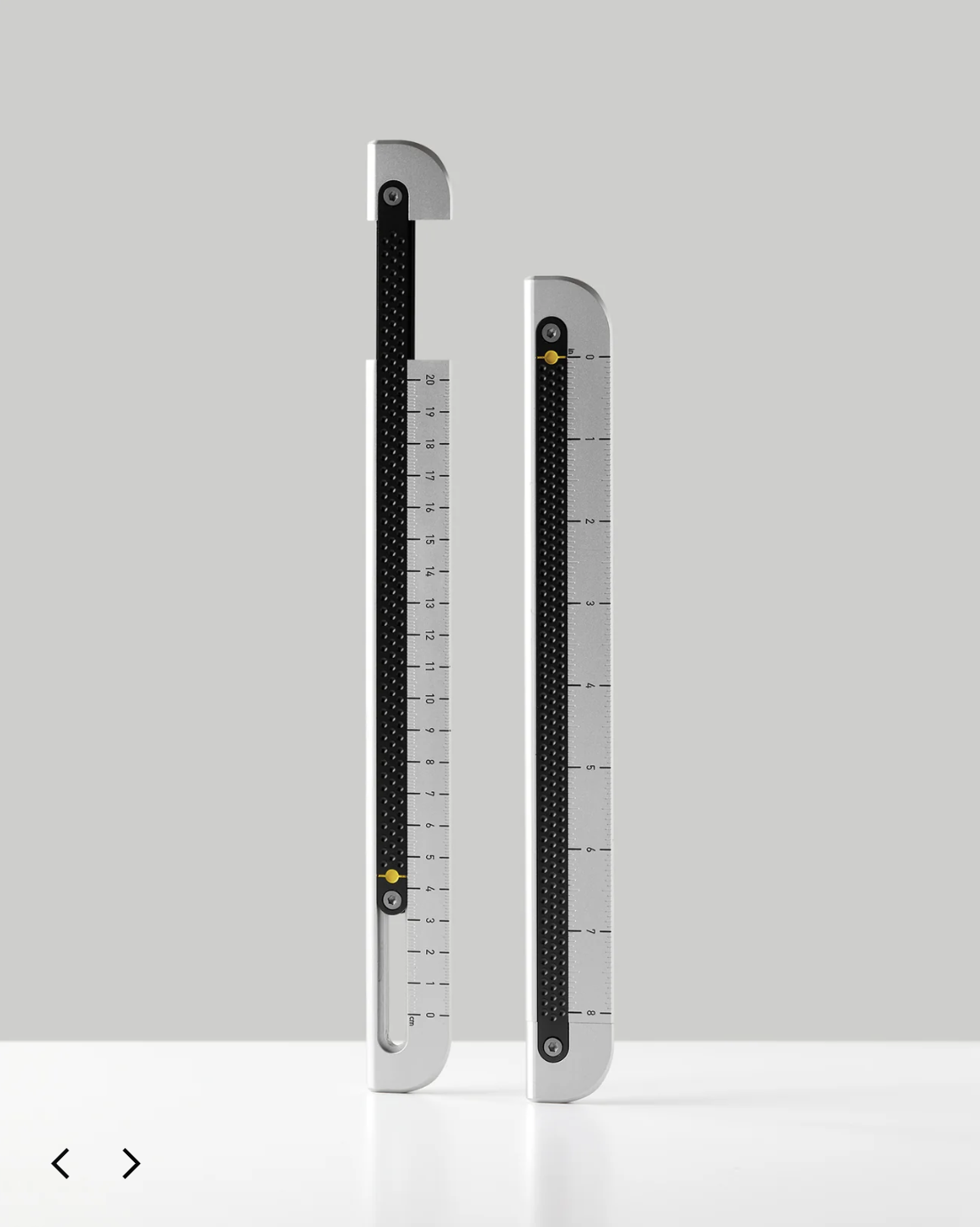
🔧 Carreducker Toe Measuring Tool — Carreducker, based at the OXO Tower on London's South Bank, are one of the most respected bespoke shoemaking studios in the country. This is their first branded tool: a solid metal toe measuring tool for measuring the height of toes, bunions and all the particular lumps and bumps of a real human foot when making a bespoke last. Simple, precise, very well made, and £14.90. They also run the
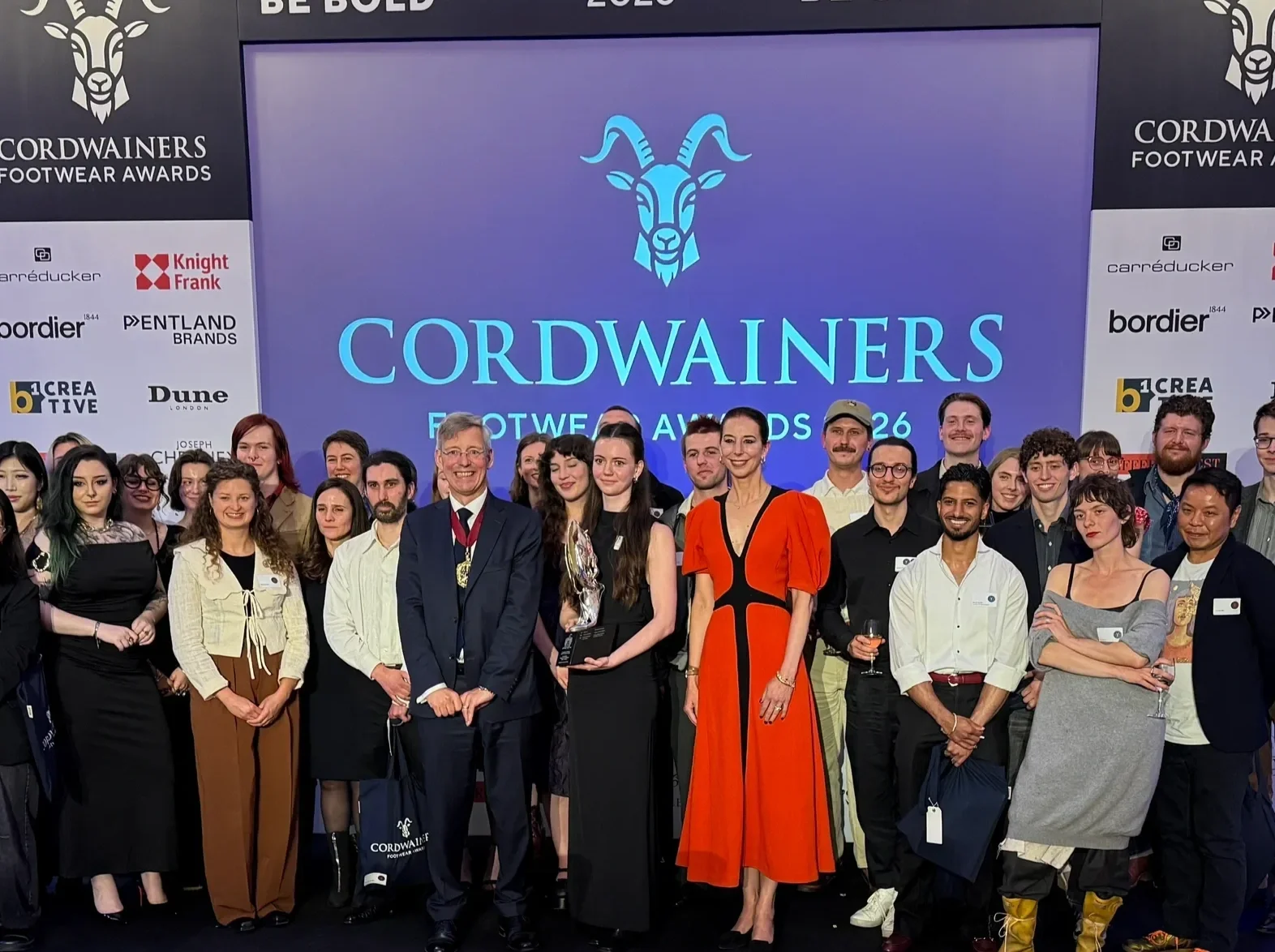
🏆Craft of Shoemaking Award, one of the only awards in the world that champions the centuries-old skill of handmade shoes. Worth knowing about and supporting.
👉 Toe Measuring Tool
🏆 2026 Craft of Shoemaking Award

👟 Footwear Prototypes For a deep dive into innovative footwear design where I share original concepts, explore unique shoe materials, and discuss design strategy—all curated for anyone passionate about shoemaking, luxury design, and seeing fresh stuff, check out & follow my LinkedIn feed