Design Ideas and Random Thoughts
Read Time: 4 min
Quote of the week:
"Whenever you find yourself on the side of the majority, it is time to pause and reflect."Mark Twain
Made me think:
🧠 The Theory of Marginal Gains — Coined by Sir Dave Brailsford at British Cycling in 2003, the theory holds that if you break down any performance into its component parts and improve each by just 1%, the aggregated effect is transformational. Brailsford used it to build a team that won eight Tour de France titles in eleven years. Not one big leap. A hundred tiny ones.
The black carbon plate just visible from the midsole
The Shoe That Won the Race Nike Started.
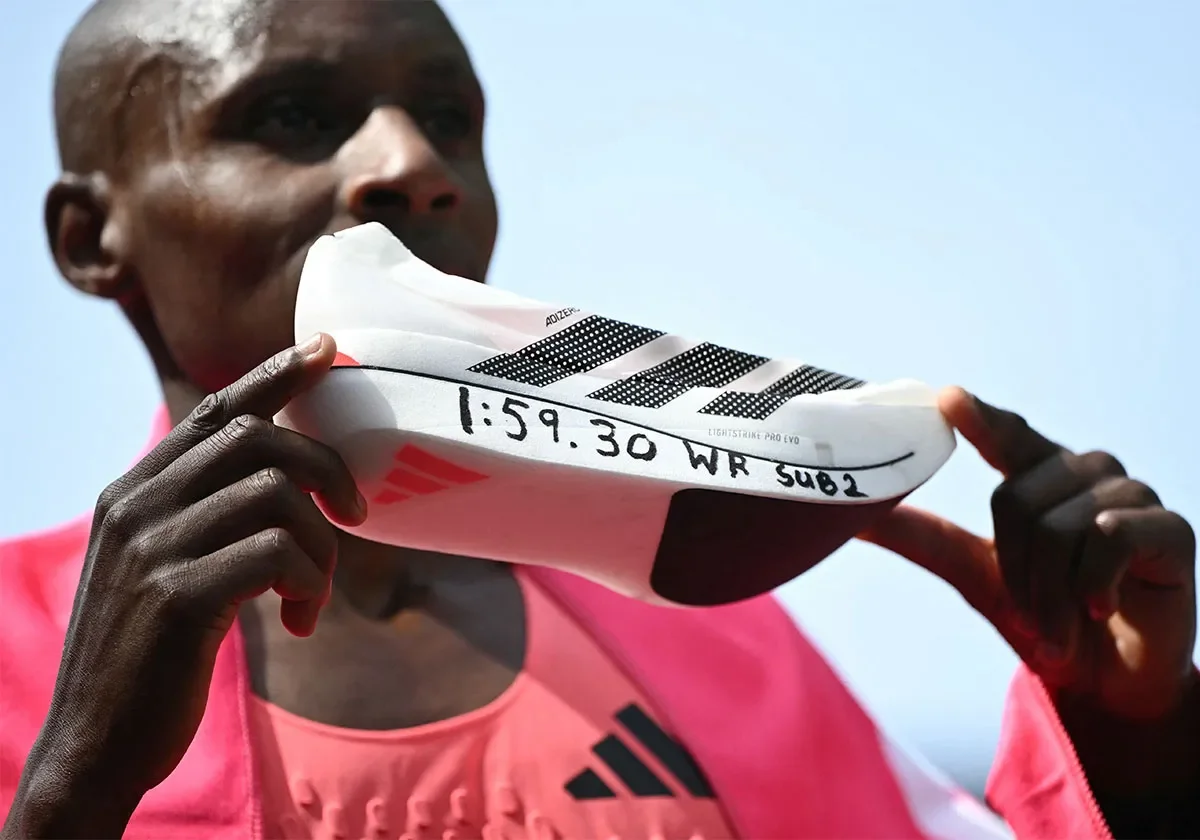
Last Sunday, April 26, at the London Marathon, something happened that the running world has been waiting for since Roger Bannister broke the four-minute mile in 1954. Kenya's Sabastian Sawe crossed the finish line in 1:59:30. The first sub-two-hour marathon in an officially sanctioned race in history. His teammate Yomif Kejelcha came in second in 1:59:41. Two men, inside two hours, in the same race, for the first time ever. Tigist Assefa ran 2:15:41 to set the women's world record at the same event.
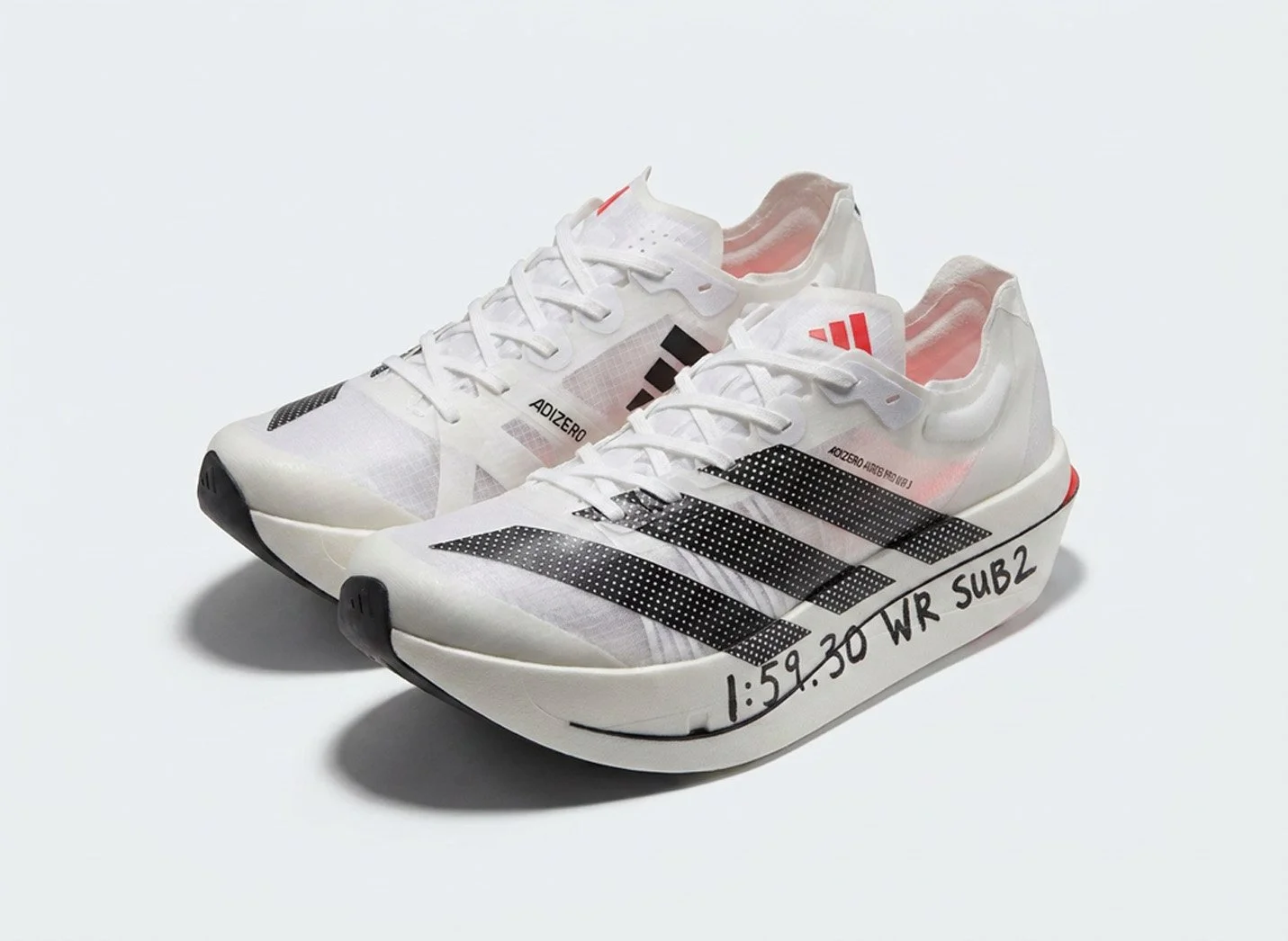
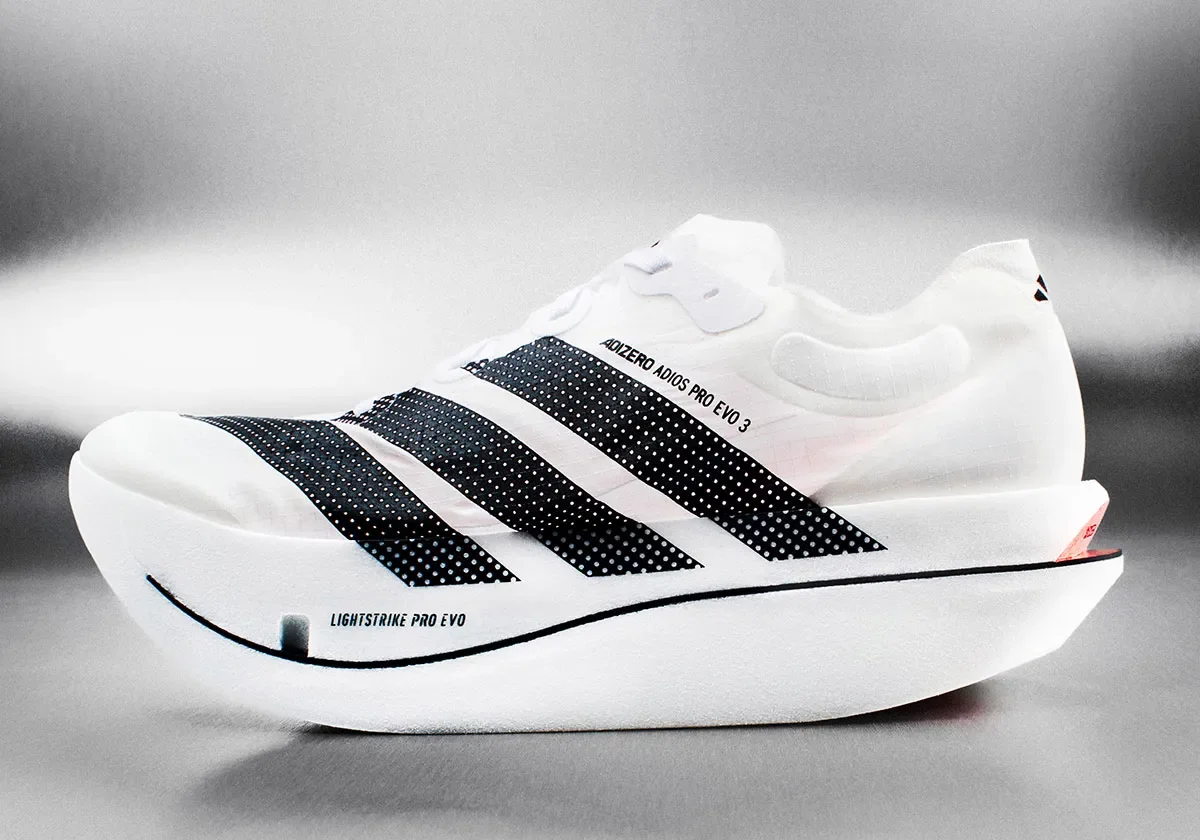
Every one of them was wearing the same shoe: the Adidas Adizero Adios Pro Evo 3.
The shoe weighed 97 grams. For context, that is roughly the weight of a small chocolate bar. It is the first sub-100-gram race shoe ever made at this level of performance. It costs $500. It was announced on April 23, three days before the race. It sold out on April 25, the day before Sawe ran into history.
Sabastian Sawe holding the shoes that broke the barrier
Here is the part of this story that doesn't get mentioned enough. Nike started this race.
In 2017, Nike assembled three of the world's best marathon runners, Eliud Kipchoge, Lelisa Desisa and Zersenay Tadese, and took them to the Autodromo Nazionale Monza Formula One circuit in Italy for a controlled attempt on the two-hour barrier. They called it Breaking2. Kipchoge came the closest, finishing in 2:00:25, twenty-five seconds outside the target. The conditions were not World Athletics-compliant, so no record stood. But the intent was unmistakable: Nike wanted to own the moment when a human being first broke two hours.
In 2019, Kipchoge tried again under the INEOS 1:59 Challenge in Vienna. He ran 1:59:40. The crowd went wild. But the conditions again were not legal for an official world record. The two-hour marathon remained unbroken on the official books.
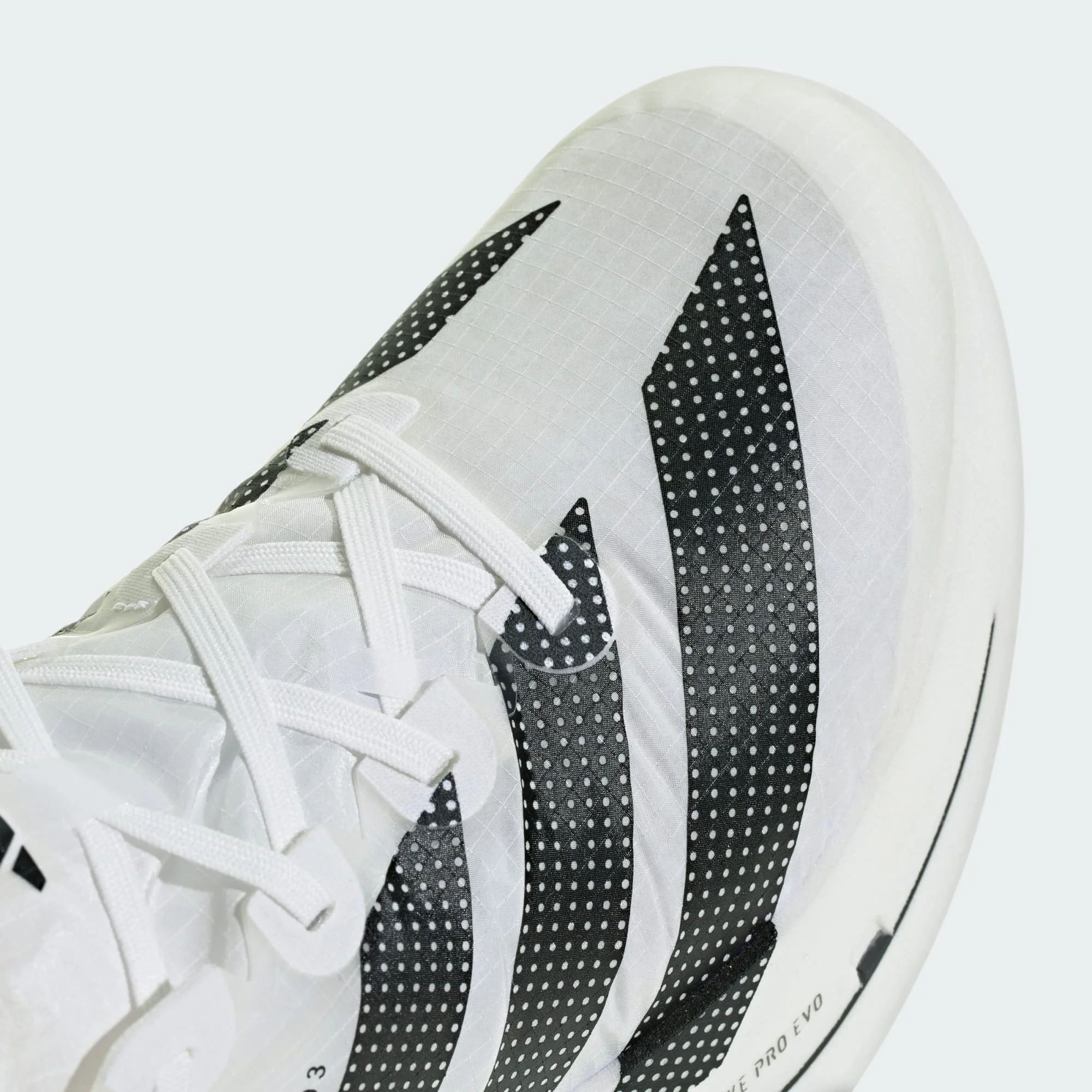
Nike spent years, tens of millions in R&D, and created two of the most culturally significant performance moments in sports history trying to own this milestone. On April 26, 2026, at the actual London Marathon, with World Athletics officials present and every condition legal, the two-hour barrier finally fell….in Adidas shoes.
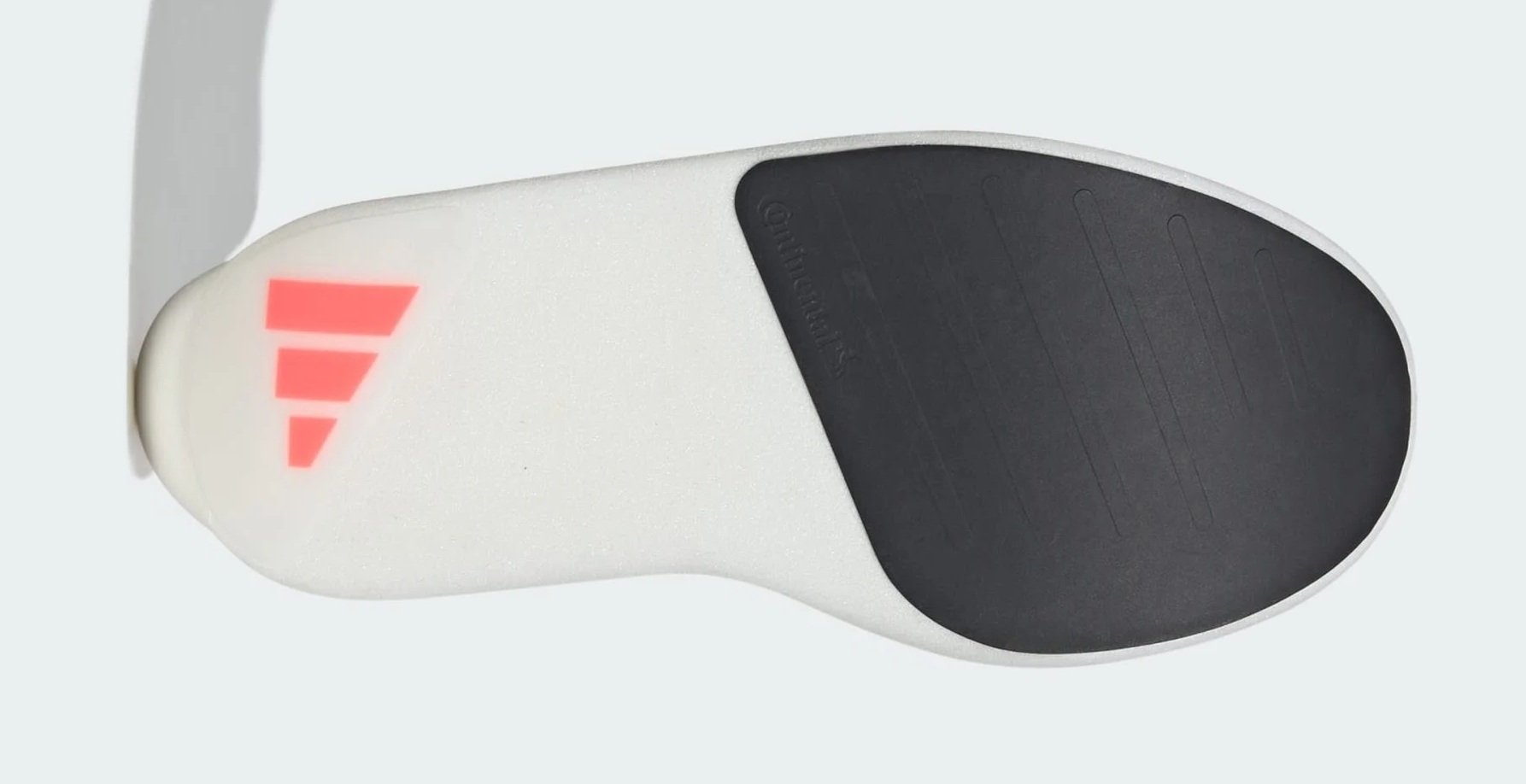
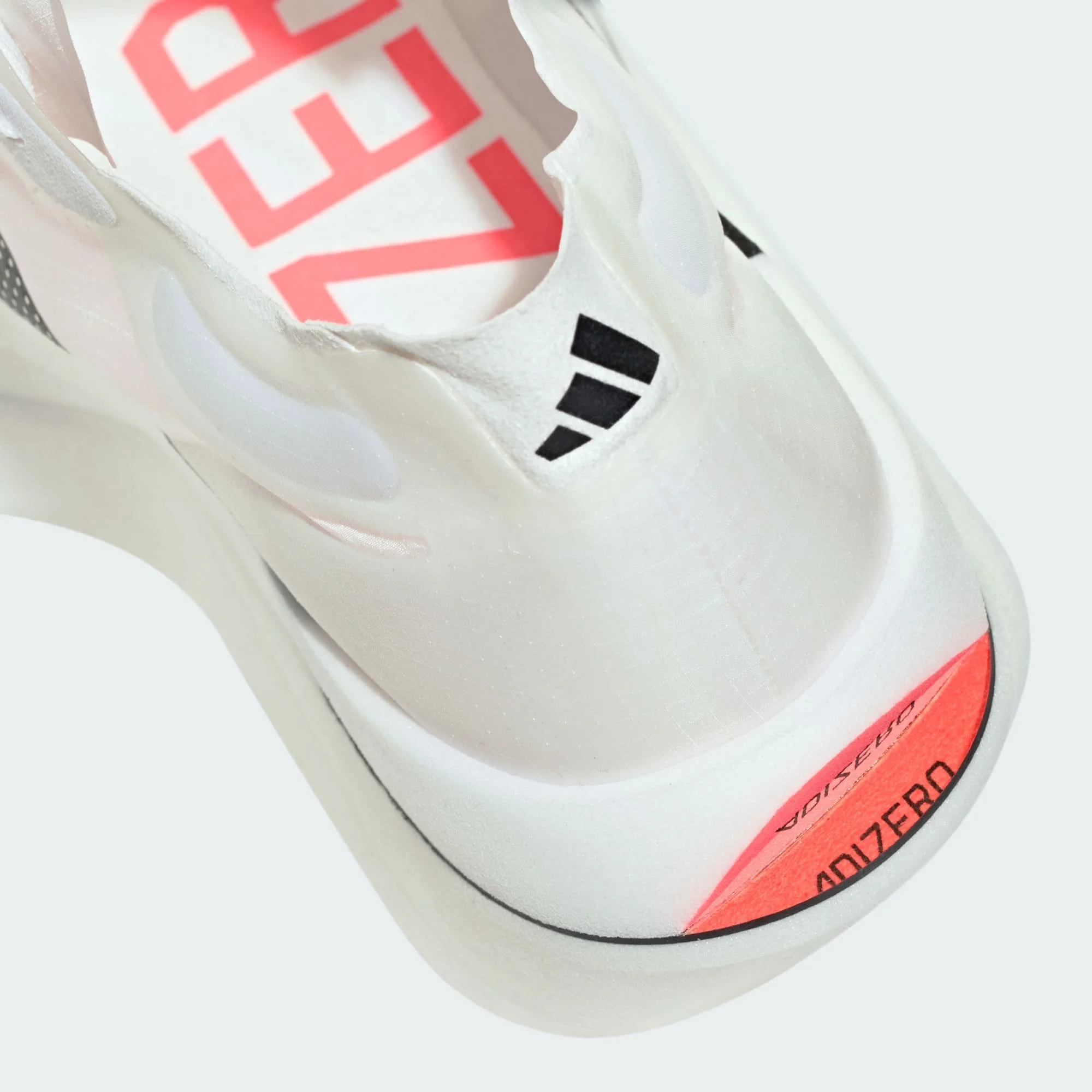
The Evo 3 is built around four components, each stripped to its functional minimum. The upper wraps the foot in a single engineered layer. Beneath that, the Lightstrike Pro Evo foam, developed specifically for this shoe, weighs 50% less than the foam in its predecessor with 1.6% better energy return. That foam sits around a structural element called the Energyrim, a carbon-based frame designed to maximise foam volume while keeping the sole stable under the extreme lateral forces of a sub-two-hour pace. The outsole is rubber, but only at the forefoot. Everywhere it wasn't essential, it was removed.
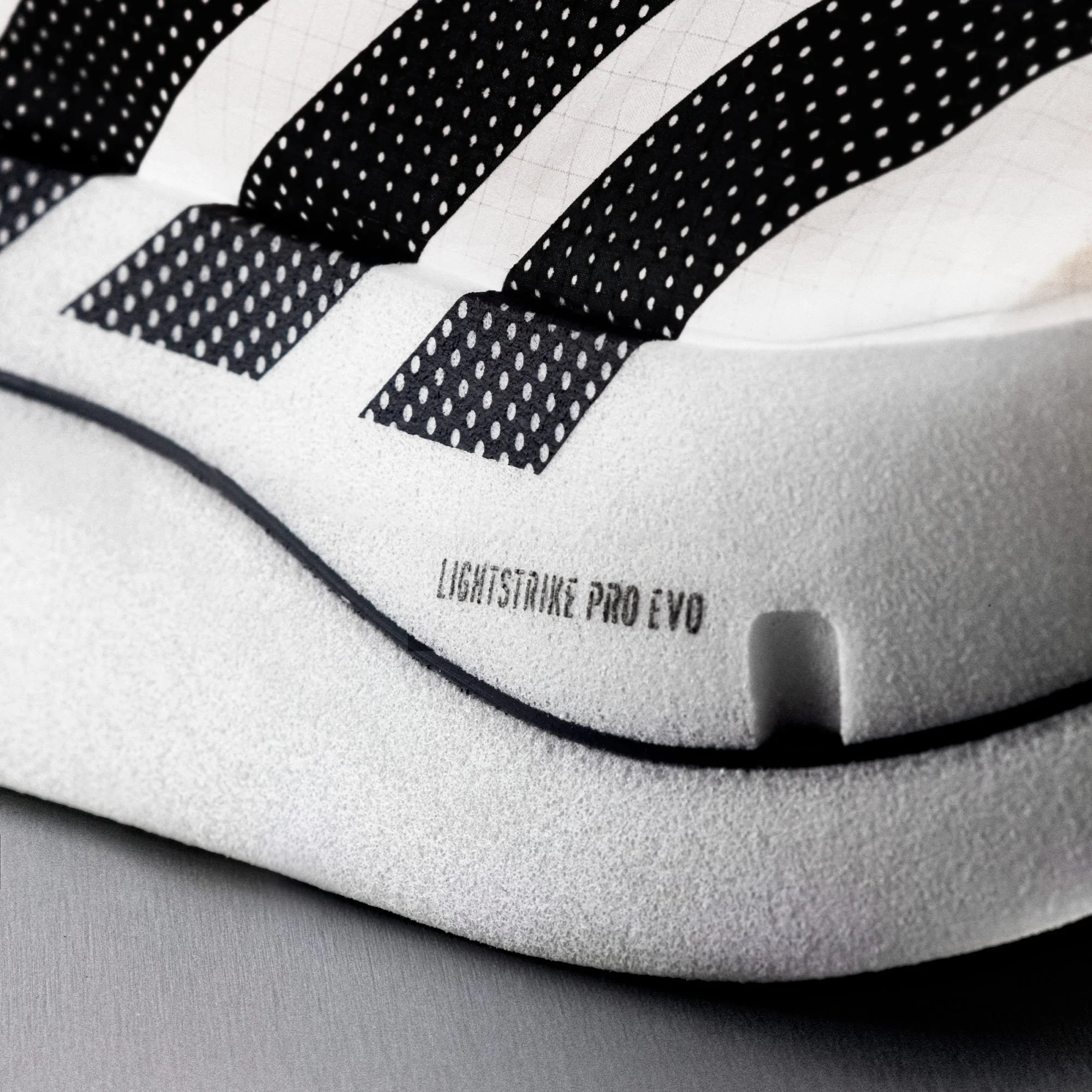
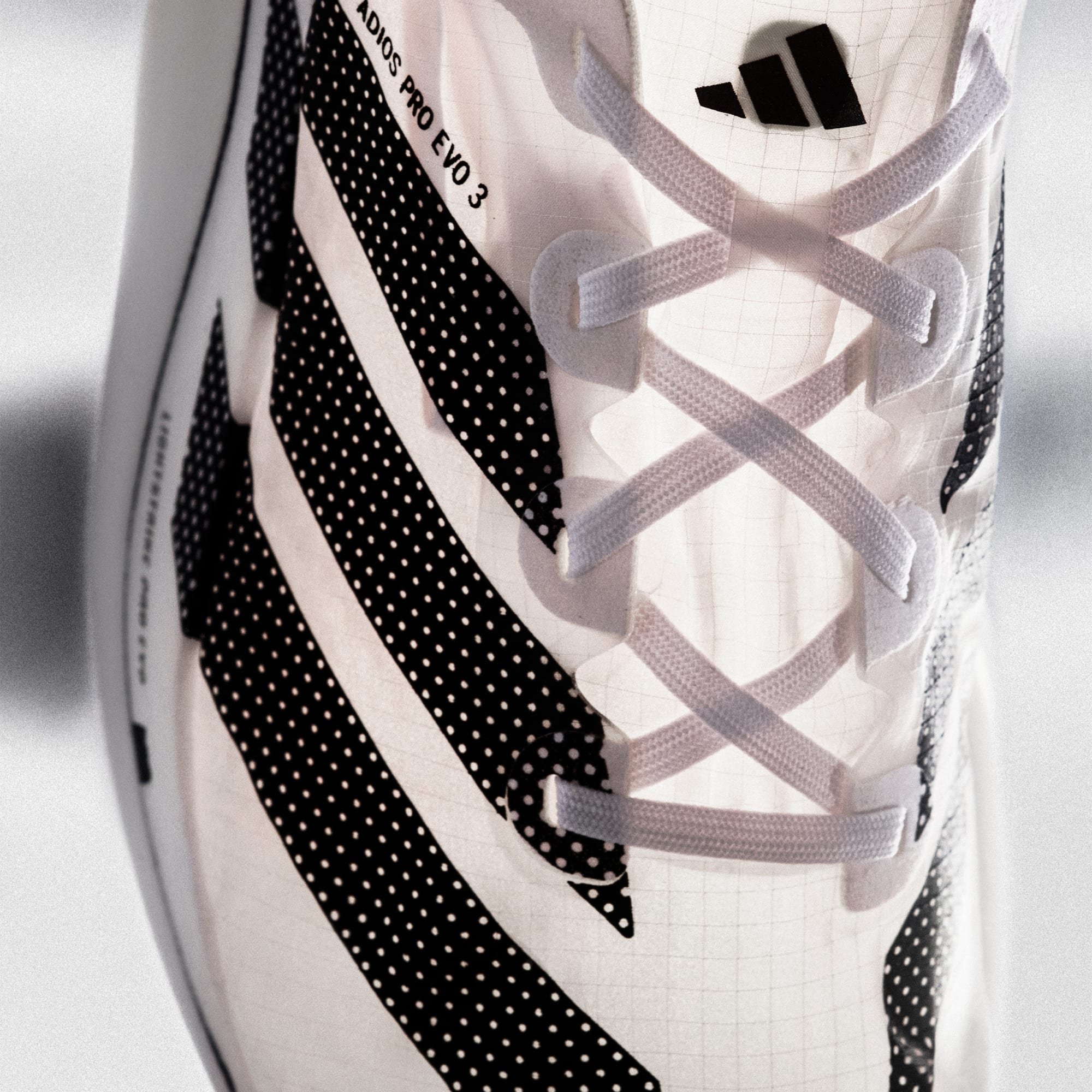
The design brief was to make a world-class performance shoe under 100 grams. Not to make a good shoe and then make it lighter. The weight target came first and every design decision was subordinate to it. Patrick Nava, Adidas's General Manager of Running, described measuring component weights to the nearest nanogram during development. A nanogram is one billionth of a gram. That level of obsession, applied across an entire shoe, is what 97 grams looks like.
The shoe also costs $500 and is available to the public. The Evo 3 went on general sale the day after the London Marathon. Sawe wrote his finishing time on the side of his shoe and held it up for the cameras. The shoe that broke two hours is the same shoe you can buy.
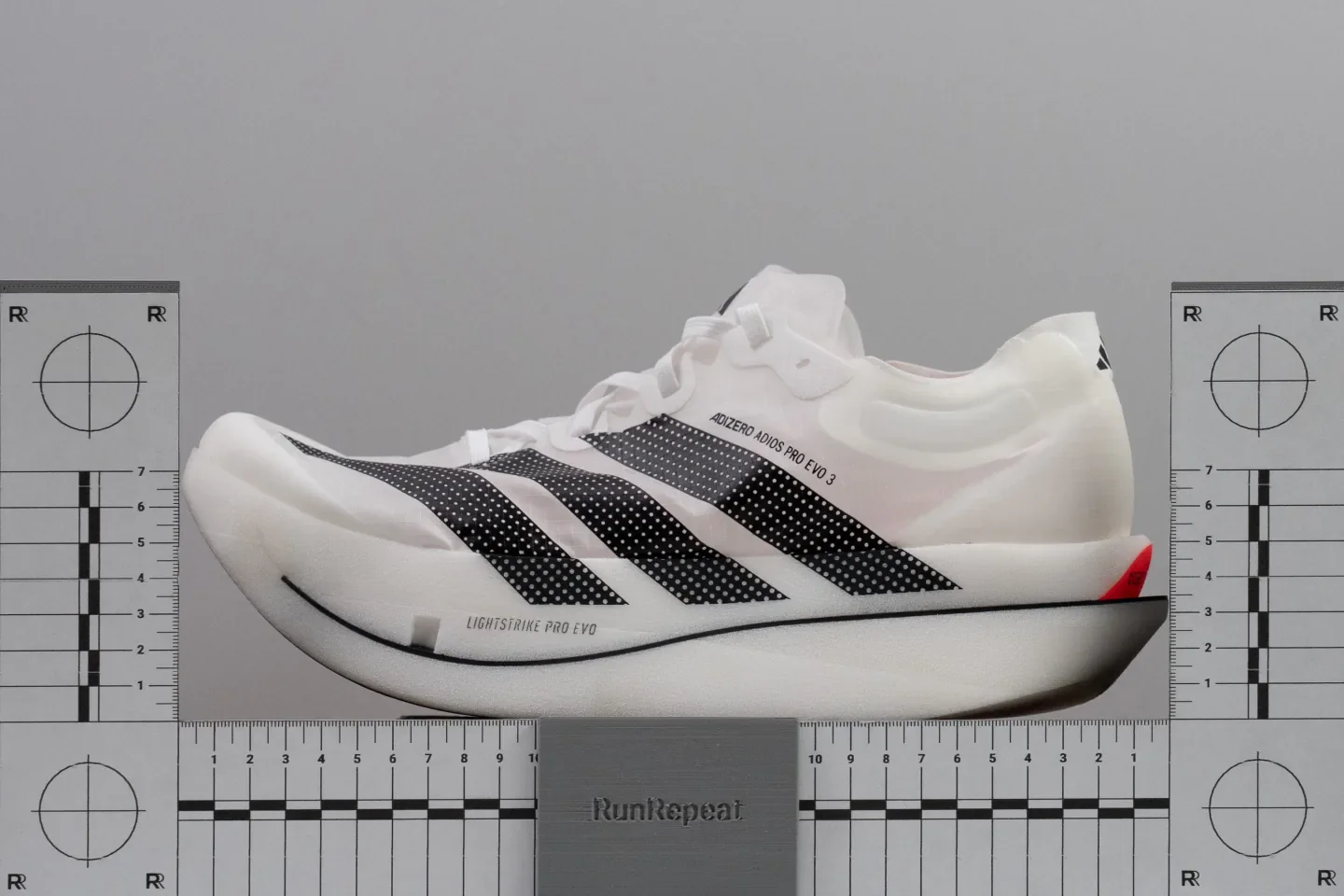
Heel stack height: 39mm (legal limit under World Athletics rules is 40mm, so sitting 1mm under the ceiling)
There is a conversation in professional footwear right now about where performance technology ends and equipment advantage begins. World Athletics currently permits a maximum 40mm stack height for road racing shoes. The Evo 3 sits within that limit, but the wider super-shoe debate, about foam technology, carbon plates and whether the shoe is doing some of the running, is not going away. What happened last Sunday has accelerated it significantly.
Whatever you think about the technology question, the engineering story is remarkable. A 97-gram shoe that held together across 26.2 miles at a pace of 2:44 per kilometre is a genuine feat of construction.
Question to ponder:
Nike spent years and a significant fortune trying to be first to the sub-two-hour milestone. They came within seconds twice. When the moment actually happened, their competitor was wearing it. Nike started this race. Adidas crossed the finish line.
What does that tell you about the relationship between pioneering a conversation and owning its conclusion? And for those of you working in performance footwear: at what point does a shoe stop assisting a runner and start replacing what the runner does?
And what is the next barrier the break?
My Recommends this week:

🎬 Breaking2 (National Geographic, 2017) — The one-hour documentary Nike made about their first attempt on the two-hour barrier. Watch it now knowing what happened last Sunday and it hits completely differently. Currently streaming on Disney+ or available to rent on Apple TV and Amazon. 👉 Watch on Disney+

🥾 Houston Boot Company — Jake Houston makes bespoke cowboy boots by hand out of Virginia City, Nevada. If you love understanding how a truly great shoe is made from the ground up, his portfolio and Instagram are worth an hour of your time. The craft, the leather work, the detailing. A good reminder that at the other end of the footwear spectrum from 97-gram race shoes, someone is still doing it entirely by hand, one pair at a time. 👉 Portfolio / Instagram
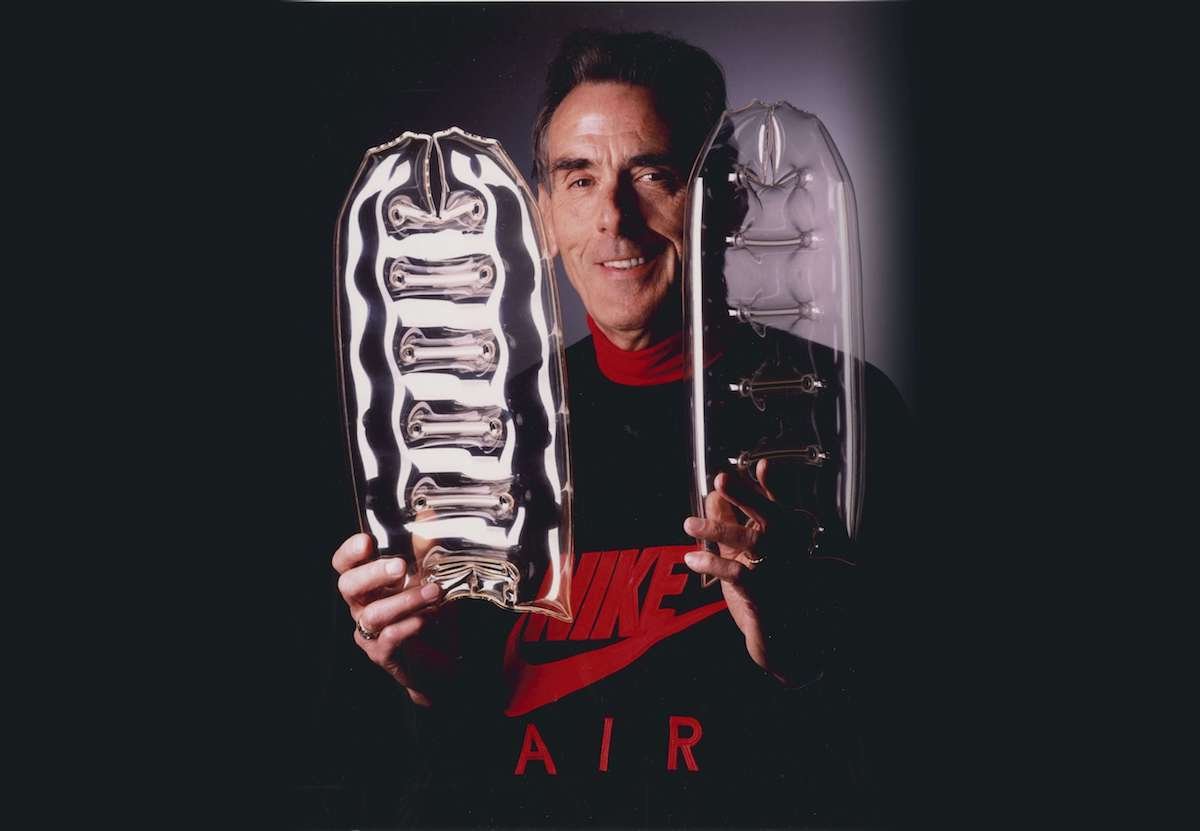
👠 If you liked this... The story of Frank Rudy, the NASA engineer who knocked on 23 doors before Nike said yes to Air technology, connects directly. Performance footwear has always been a story of obsessive engineers refusing to accept the current limit. 👉 Check it out here

👟 Footwear Prototypes For a deep dive into innovative footwear design where I share original concepts, explore unique shoe materials, and discuss design strategy—all curated for anyone passionate about shoemaking, luxury design, and seeing fresh stuff, check out & follow my LinkedIn feed