The Untold Story of Stan Smith, Reactance Theory and Vintage sneaker archives.
Design Ideas and Random Thoughts
Read Time: 4 min
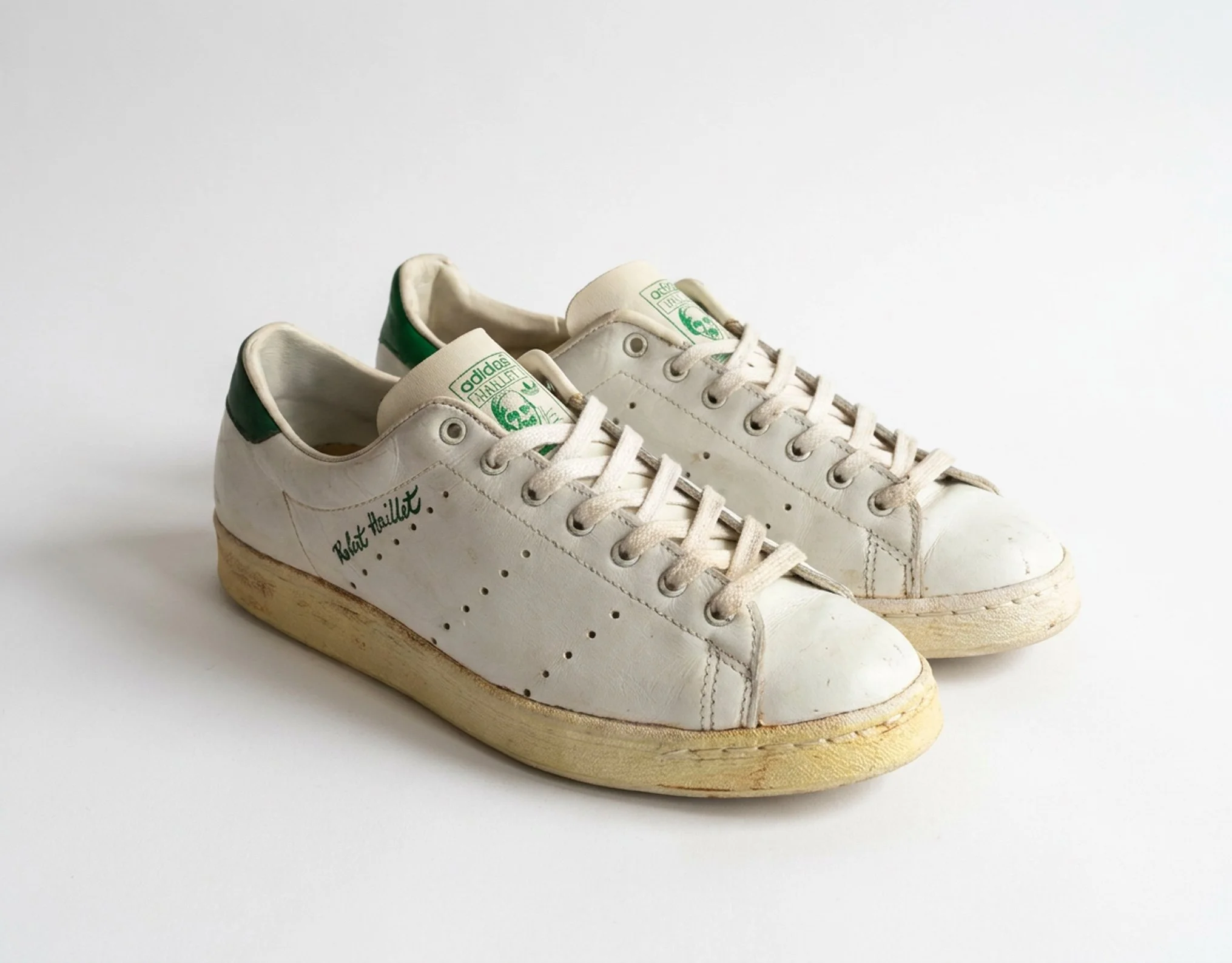
The Robert Haillet
Quote of the week:
"The creative adult is the child who survived." Ursula K. Le Guin
Made me think:
🧠 Reactance Theory - First proposed by psychologist Jack Brehm in 1966. When people feel their freedom to have or do something is threatened or taken away, their desire for it increases sharply.
The Shoe That Belonged to Someone Else First.
Most people who have ever owned a pair of Adidas Stan Smiths know almost nothing about Stan Smith. A smaller number know anything about Robert Haillet. Which is a shame, because without Haillet there is no Stan Smith, and the story of how one man's name replaced another's on the most successful tennis shoe in history tells you more about branding, luck, and timing than almost any other story in footwear.
The shoe was born in 1963, when Adidas introduced the first leather tennis shoe, designed to replace the canvas constructions that had dominated the courts since Converse had popularised them in 1917. The design was clean, almost brutally minimal: a white leather upper, three rows of perforations in place of the usual three stripes, a green heel tab, and a simple lace closure. It was fast to produce, easy to maintain, and significantly more supportive than anything else available on court at the time.
Adidas gave the shoe to Robert Haillet, a French tennis professional and one of the leading players in France during the early 1960s. His name went on the tongue. He wore the shoe in every match of the remainder of his career. Then, in 1971, Haillet retired.

Lew Hoad (left) and Robert Haillet (right) at the Dutch Professional Championships in Noordwijk 1961.
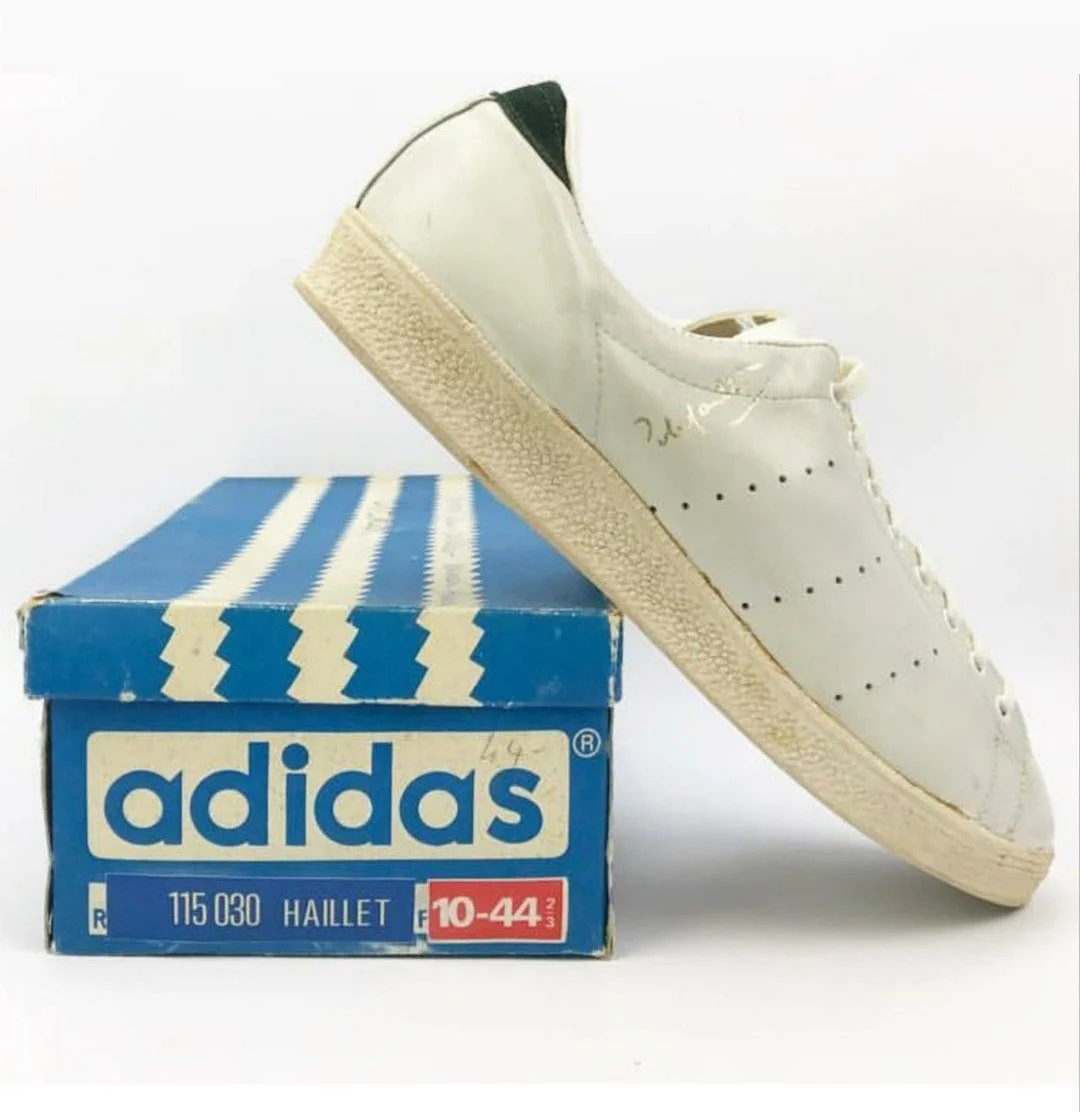
NIB’s (new in box)
Adidas was left with a problem: a shoe named after a retired player nobody outside France had particularly heard of. They needed an active, high-profile, ideally American tennis star to replace him. Donald Dell, one of the most influential sports agents in the game, suggested his client Stan Smith: 24 years old, world number one, US Open champion in 1971, Wimbledon champion in 1972, and perhaps most importantly, American.
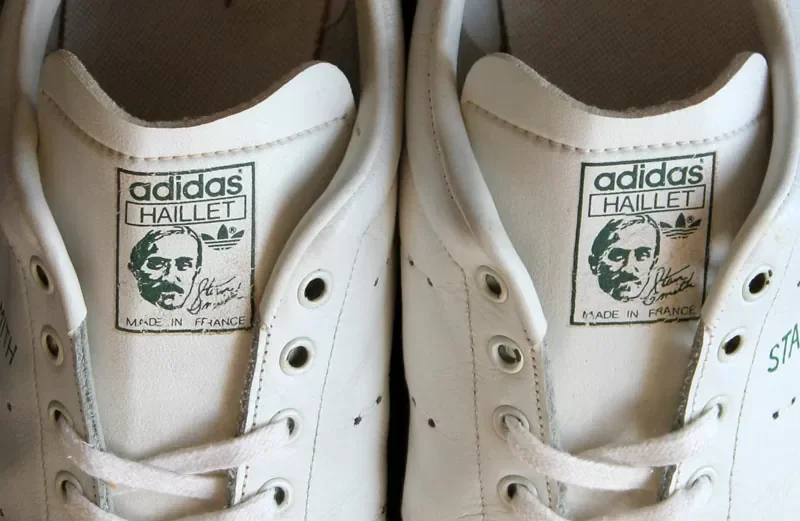
The deal was straightforward. Smith would wear the Haillet shoe and allow Adidas to put his name and face on the tongue. For a period of several years the shoe existed in a genuinely strange state: the tongue carried Smith's portrait and signature while the side of the shoe still said Robert Haillet. Collectors now pay significant sums for these transitional pairs, which are among the most unusual objects in sneaker history. The Robert Haillet name was finally retired in 1978, when the shoe officially became the Adidas Stan Smith.
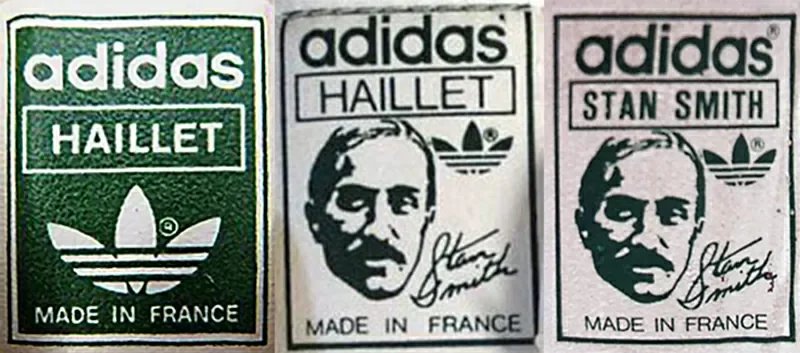
Tongue Labels: Hallet's Name, Smiths Portrait
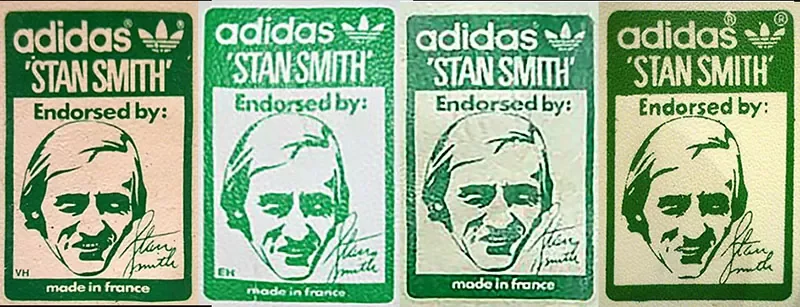
The later Stan Smith Labels
Smith himself has been characteristically honest about the strangeness of his position. "Unless you're 60 or older, maybe 50 or older, you wouldn't have seen me play," he has said. "So unless you're a tennis historian, why would you know?" His face is on a shoe owned by people who have no idea he exists as a person.
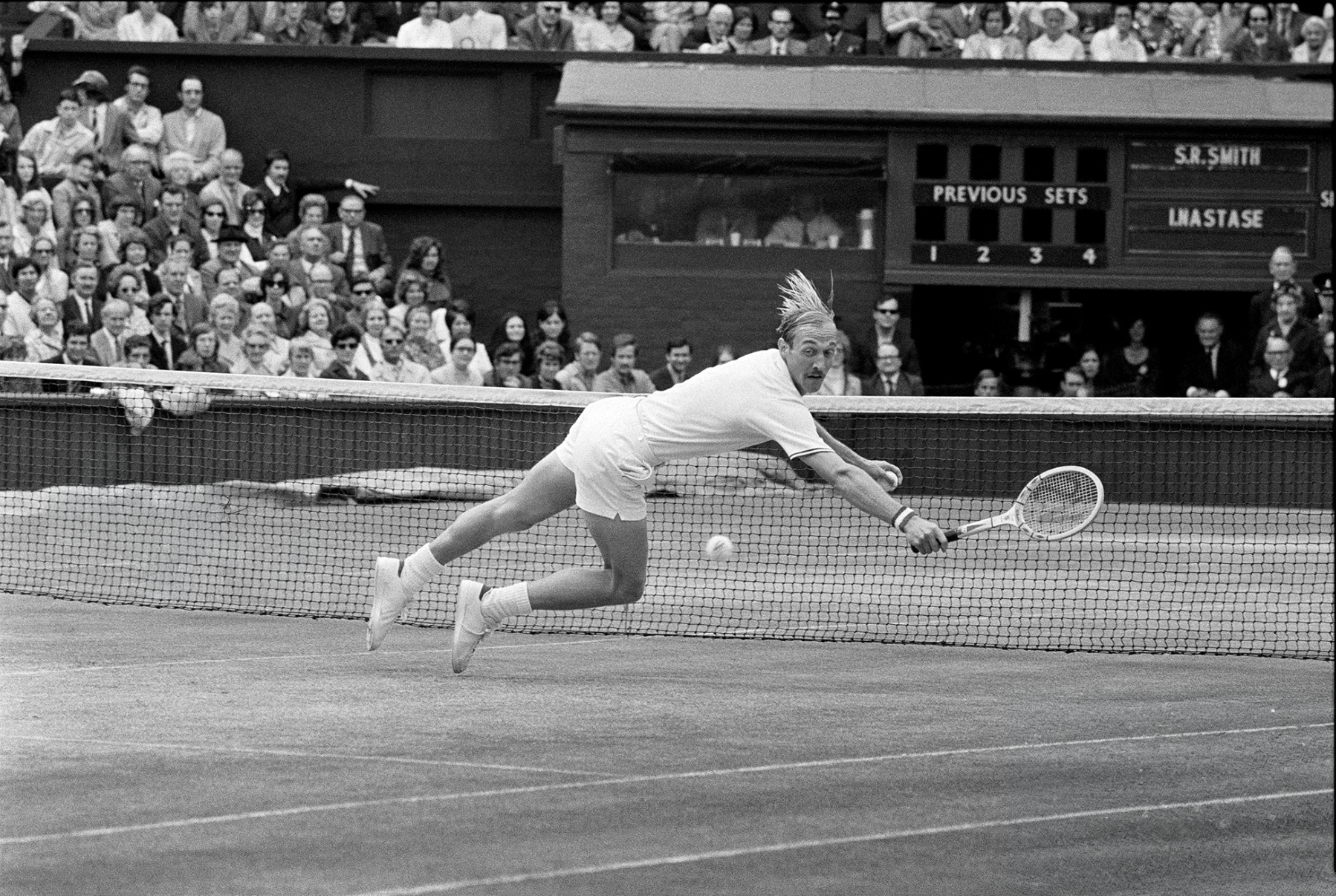
Stan Smith, Wimbledon final-1972 by Arthur Steel
For the next three decades the Stan Smith was a reliable, well-regarded classic. It was never the most exciting shoe in the range. It sold steadily on the back of its clean design and its reputation as a court shoe from a different era. By the mid-2000s, it was the kind of thing you found discounted on clearance racks at sports goods stores, present everywhere but exciting to no one.
Then, in 2011, something unexpected happened. Phoebe Philo, then creative director of Celine and one of the most influential figures in luxury fashion, took her bow at the end of her Fall/Winter runway show wearing black trousers, a black turtleneck, and a pair of white Adidas Stan Smiths. The fashion press noticed. J. Crew started stocking them. Demand began to build quietly but unmistakably among exactly the kind of tastemaker audience that Adidas had no particular relationship with but was smart enough to realise was key to the next decade.
Adidas's response was counterintuitive.
They pulled the shoe from the market entirely.
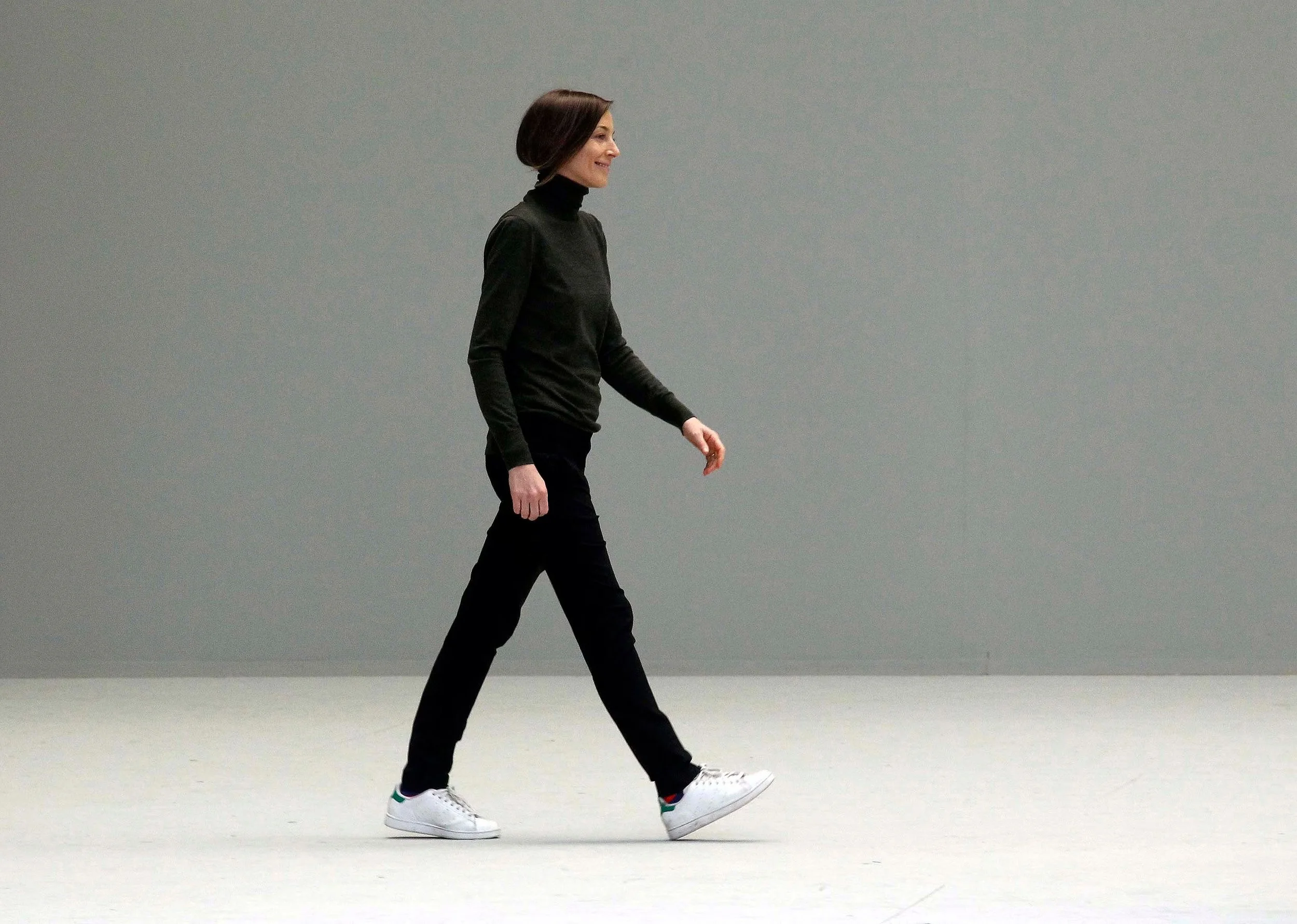
Phoebe Philo 2011 runway bow
In 2012, Adidas removed Stan Smiths from shelves, a calculated move aimed at boosting demand. Jon Wexler, VP of global entertainment and influencer marketing at Adidas, was clear about the intent: "We knew three and a half years before we did step one what would happen. First we cleaned it up out of the market."
By mid-2013, Stan Smiths were almost impossible to find. Angry letters arrived from fans. Even Stan Smith himself resisted the decision when Adidas executives met with him to explain the plan. The man whose name was on the shoe was not convinced it was a good idea to stop making the shoe.
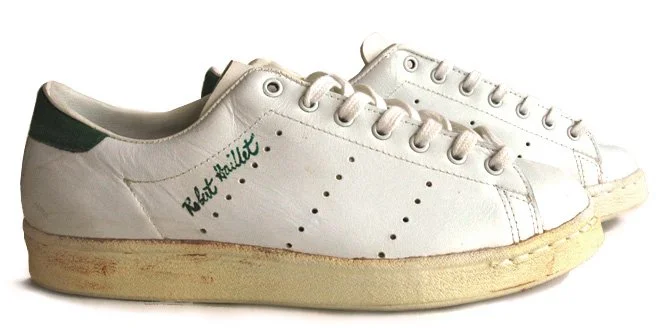
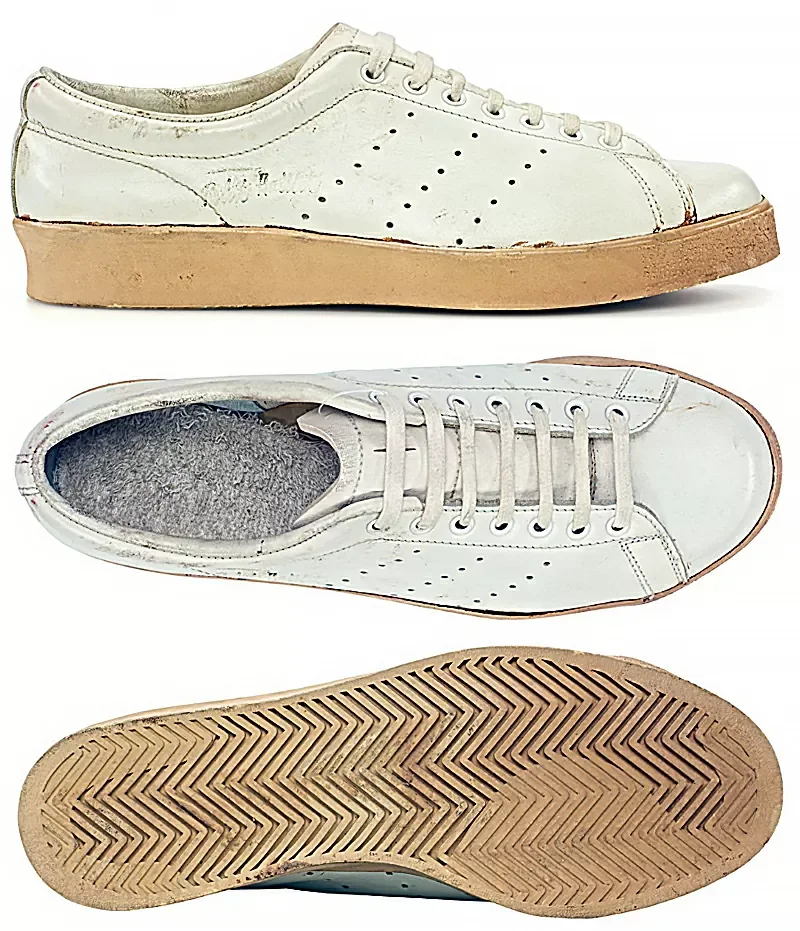
Some of the first Haillet shoes. (vintage_sneaker blog)
Adidas continued regardless. They began sending personalised pairs to a carefully selected group of celebrities including A$AP Rocky, Alexander Wang and Ellen DeGeneres, with each recipient's own portrait replacing Smith's on the tongue. Adidas struck gold in November 2013, when French Vogue featured model Gisele Bündchen wearing nothing but a pair of white socks and Stan Smiths.
On January 14, 2014, the Stan Smith returned to shelves. US sales, which had hovered around $800,000 in 2012, climbed to more than $7 million in 2014 and $12.5 million through the first nine months of 2015. Globally, Adidas sold eight million pairs that year alone. By 2016, they were rumoured to have sold nearly 15 million pairs, more than double what the shoe had moved in its first decade of existence. Total sales over four decades crossed 50 million pairs. Footwear News named it Shoe of the Year for 2014.
The shoe had not changed. The scarcity had been manufactured, the desire engineered, and the result was one of the most successful product relaunch campaigns in retail history. It was a risky calculation that paid off.
As for Robert Haillet: he died in 2021, aged 86, in France. His name was on the world's most successful tennis shoe for thirteen years. His portrait was on the tongue before Stan Smith's. He is almost completely unknown outside a small circle of sneaker historians.
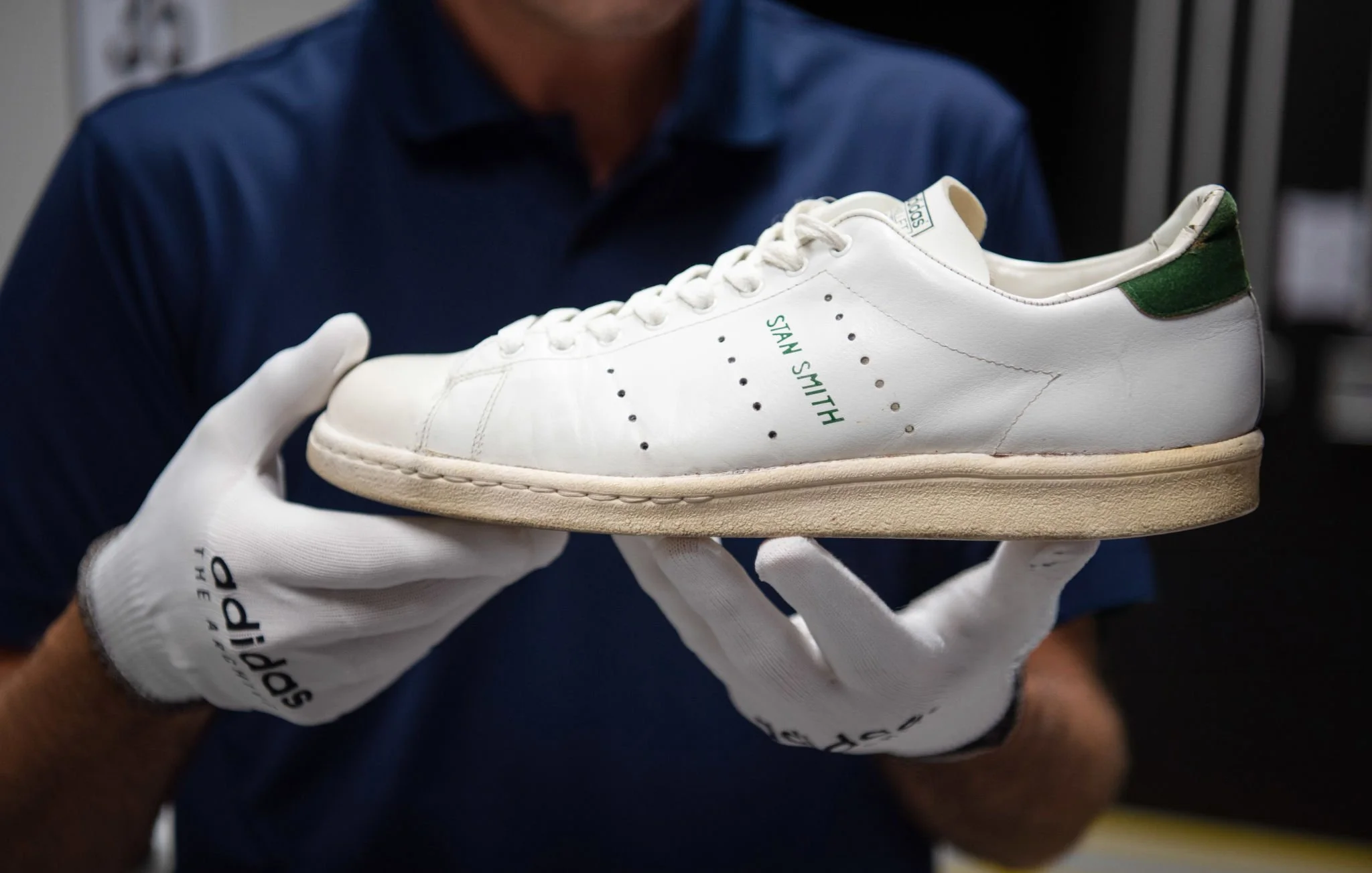
The original Stand Smith (Getty/Adidas archives)
Question to ponder:
Adidas created desire by removing a product people hadn't even known they wanted until it was gone. The shoe hadn't changed. The psychology had been engineered.
For designers and brand builders: at what point does creating scarcity become manipulation? Is there a meaningful difference between genuinely limited supply and manufactured rarity? And was Robert Haillet owed something more than obscurity?
My Recommends this week:
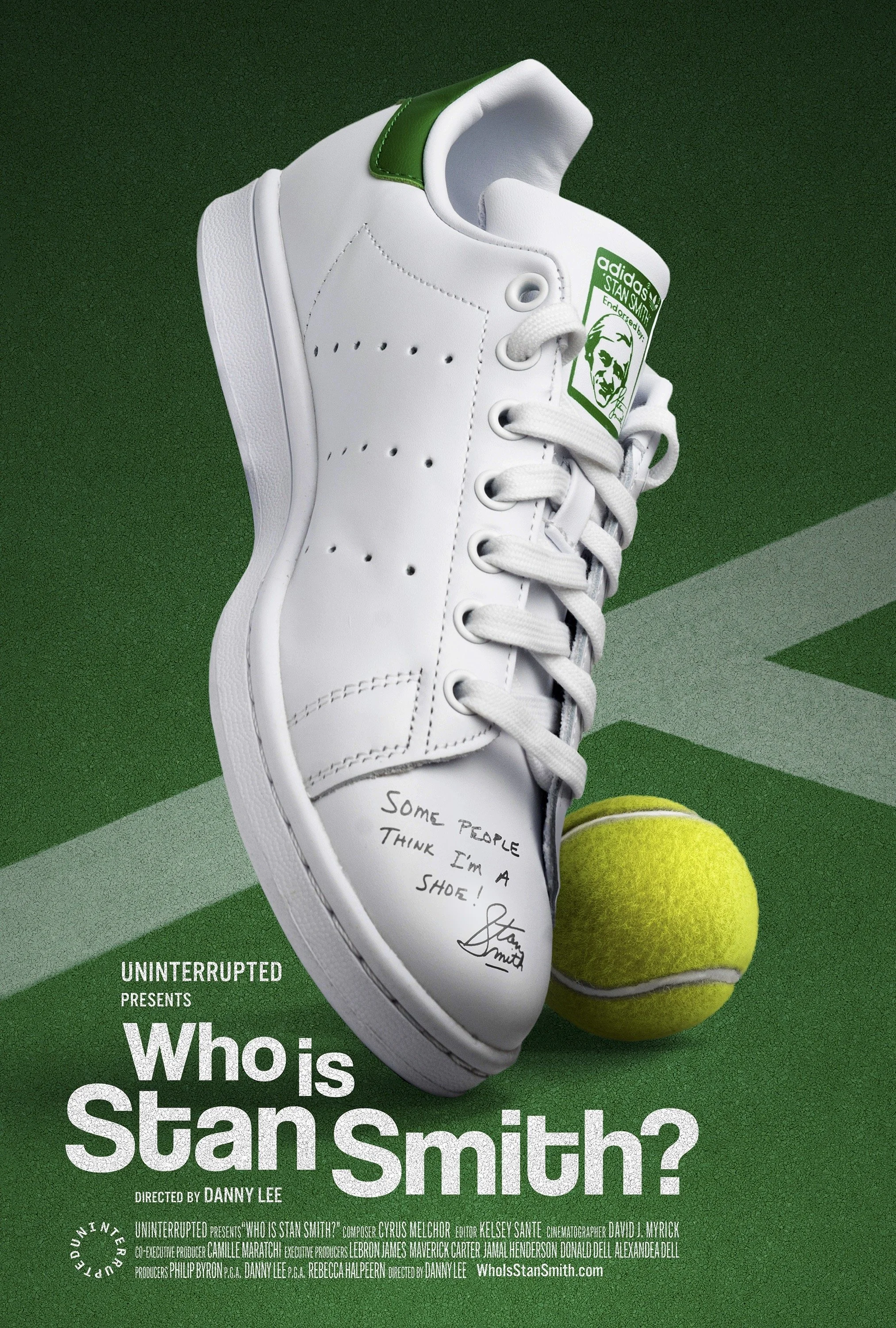
🎬 Who Is Stan Smith? (Hulu and ESPN+, 2025) — A feature documentary executive produced by LeBron James, directed by Danny Lee. 95 minutes covering Smith's full story: the tennis career, the shoe, the civil rights activism most people know nothing about, and what it means to have your face on an object owned by millions of people who have no idea who you are. Features Pharrell Williams, DMC and John McEnroe among others. Streaming now. Watch on Hulu or Disney
👉 Trailer here
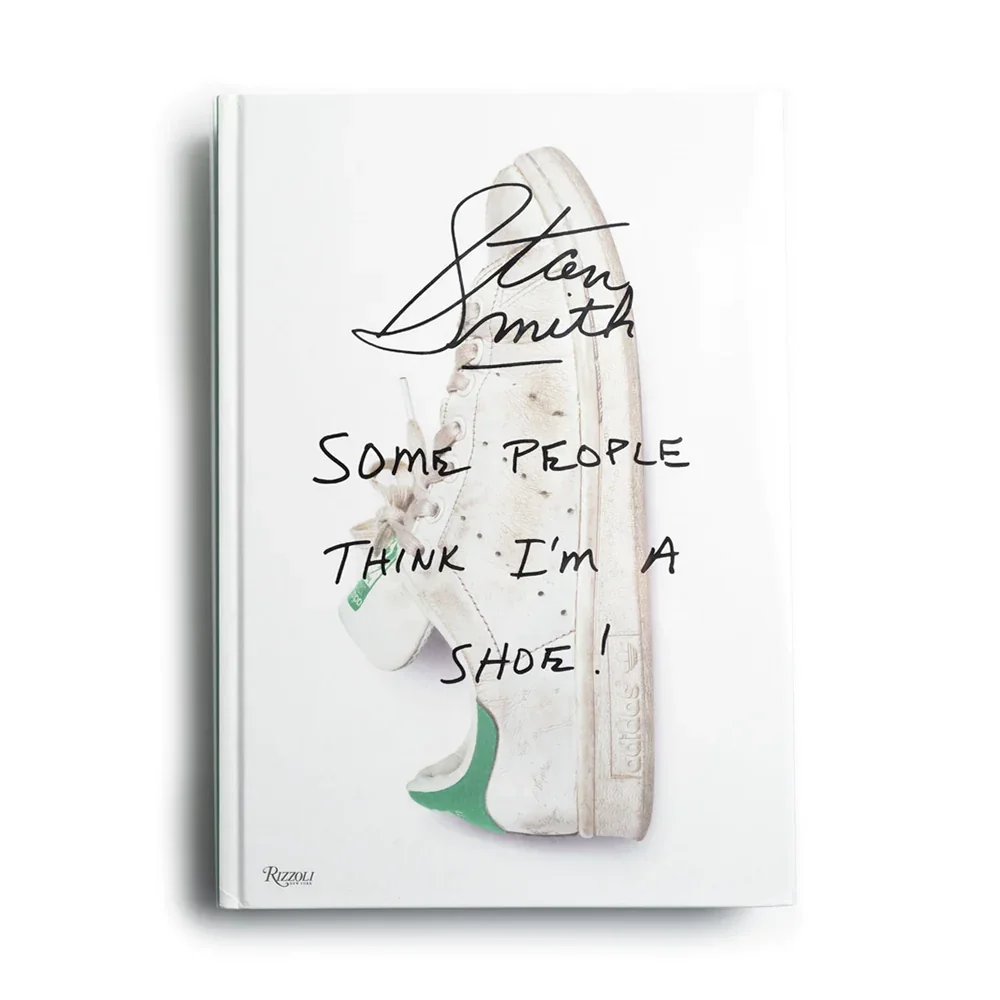
📘 Stan Smith: Some People Think I'm a Shoe (Rizzoli, 2014) — A book about the shoe through archival photography, covering its journey from the Robert Haillet original through to the fashion moment and the collaborations. A useful design reference and a genuinely good object in itself.
👉 Find a copy on AbeBooks
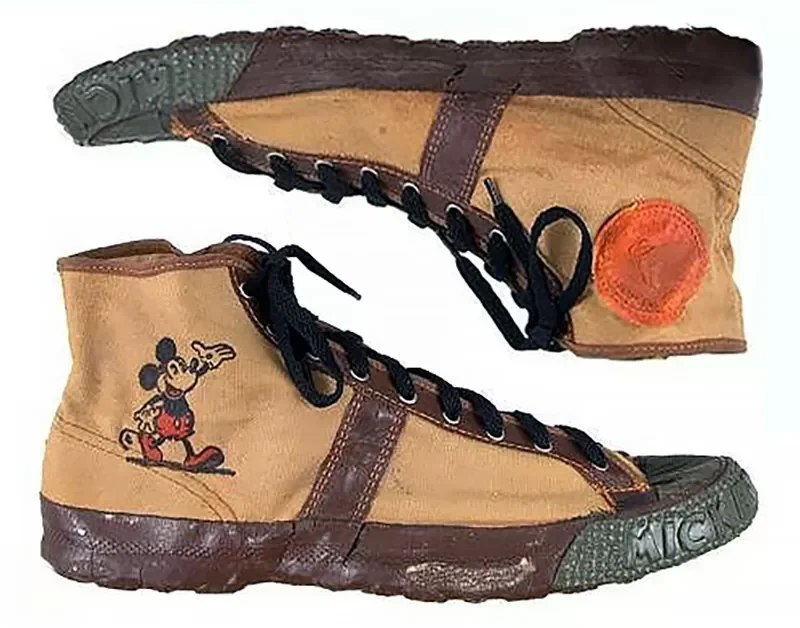
👟 Vintage Sneaker Blog — Run by a Japanese collector who has been into vintage sneakers since the 1970s and appeared in Popeye and Boon magazines. Deep, obsessive documentation of original pairs from the 1960s through to the 1990s across Nike, Adidas and Converse. If you're into the real thing rather than the re-runs, this is the archive to bookmark.
👉 Check it out here
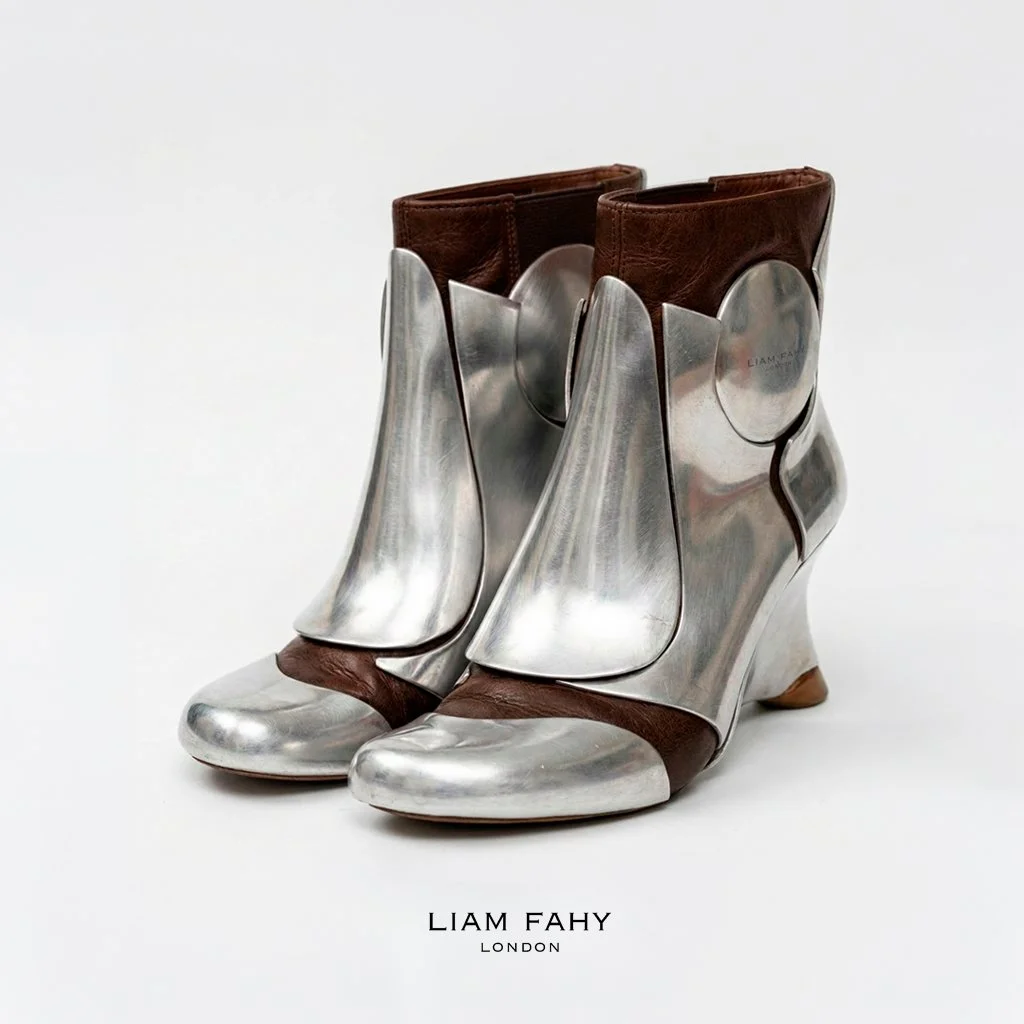
👟 Footwear Prototypes For a deep dive into innovative footwear design where I share original concepts, explore unique shoe materials, and discuss design strategy—all curated for anyone passionate about shoemaking, luxury design, and seeing fresh stuff, check out & follow my LinkedIn feed