The Beatle Boot, the Einstellung Effect and the Covent Garden Workshop That Changed British Music
Design Ideas and Random Thoughts
Read Time: 4 min
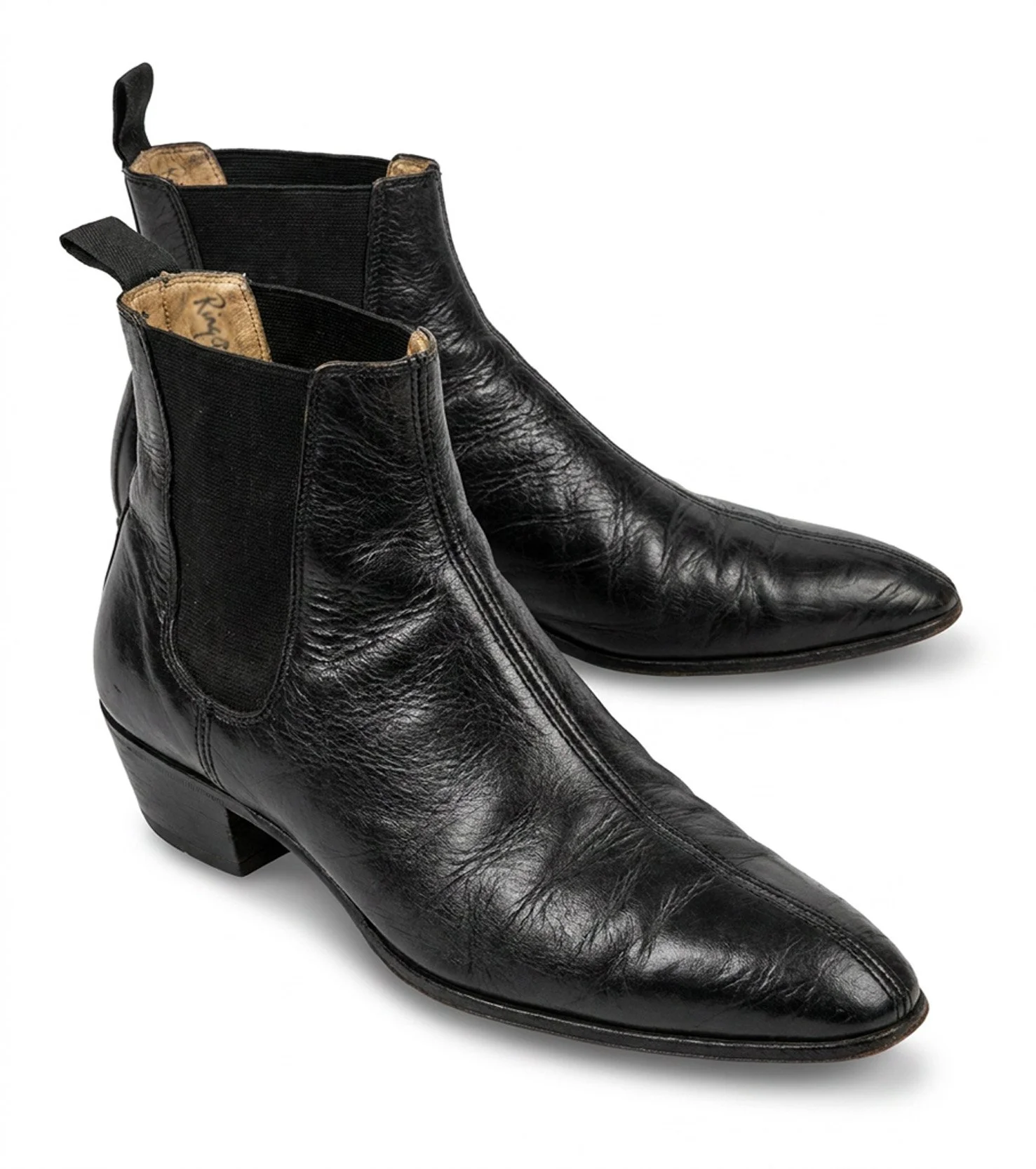
Beatle boots 1963
Quote of the week:
""The details are not the details. They make the design." Charles Eames
Made me think:
🧠 The Einstellung Effect - First documented by Abraham Luchins in 1942. The more experienced you become, the harder it is to see a problem freshly, because previous solutions keep blocking better ones. The most dangerous thing expertise can do to a designer.
The Workshop That Dressed the Most Famous Band in History.
There is a photograph taken by Robert Freeman in 1963 that most people have never seen. Freeman shot the Beatles' album covers, their tour photography, the imagery that defined the visual language of the early Beatlemania years. But this particular photograph is not of faces. It is of feet. Four pairs of black leather boots, Cuban-heeled, pointed-toed, elasticated at the side, arranged in a line on a plain background. No band, no context, no text. Just the boots.

photo Robert Freeman. (see the names in the lining of the Beatles
It is one of the most quietly powerful images in the history of popular music. And the boots in it were made by a company almost nobody has heard of.
Anello and Davide was founded in 1922 in Covent Garden, London, by two Italian brothers, Anello and Davide Gandolfi. They were theatrical shoemakers. Ballet shoes, dance shoes, stage shoes, footwear for actors and performers who needed to move in ways that ordinary shoes would not allow. They supplied the London theatres, made shoes for films from the 1930s onwards, and built a quiet reputation for making footwear that served a performer's body rather than a designer's ego.
They were not a fashion house. They were craftsmen.
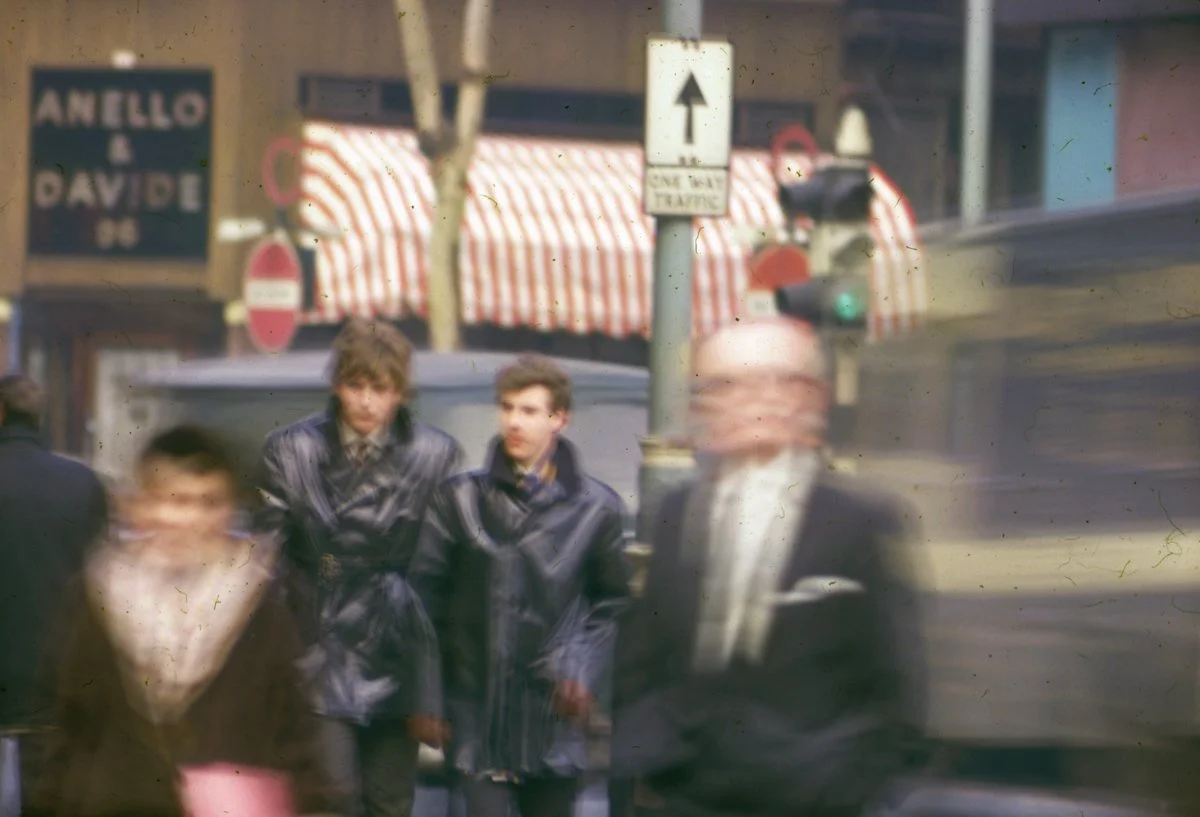
Anello and Davide Shop exterior on Charing Cross Road 1960. photo Bob Hyde
In October 1961, John Lennon, Paul McCartney and George Harrison were playing a residency at the Top Ten Club in Hamburg when they saw a London band wearing boots they had never seen before. Tight to the ankle, pointed at the toe, with a raised Cuban heel that gave the wearer a particular posture, upright, slightly forward, alert. They asked where the boots came from. The answer was Anello and Davide in Covent Garden.
On their return to London, managed now by Brian Epstein who was systematically upgrading every element of their presentation, they visited the shop. They liked the Chelsea boot Anello and Davide already made. They liked the Cuban heel on the shop's flamenco boot. They asked a question that no serious shoemaker would have thought to ask: could they have both? A Chelsea boot with a Cuban heel and a more pointed toe?
The answer, technically, was yes.
The centre seam running from ankle to toe on the finished boot was not requested. It was a construction decision made by the Anello and Davide workshop, almost forced by the geometry of the extended pointed toe (but probably to save on leather consumption and avoid blocking the upper). But it became one of the most distinctive visual details of the boot, the element that made it look simultaneously handmade and precise, artisanal and modern.

David Hyatt, of Anello & Davide, making shoes in his workshop. Photo: Tim Graham
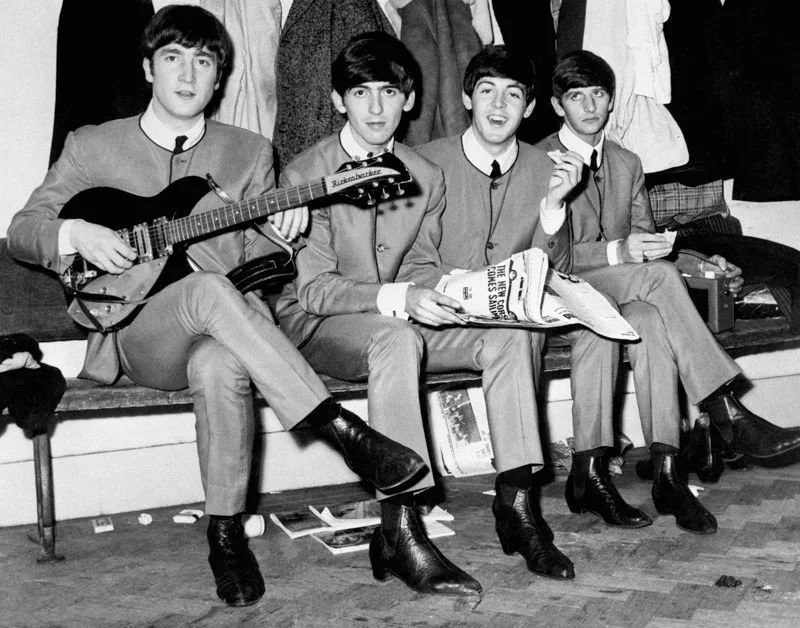
Four pairs were commissioned for the band in late 1961. Brian Epstein collected them. The Beatles wore them with the Pierre Cardin collarless suits that were being made at the same time, another piece of the deliberate visual identity Epstein was assembling. The combination, slim dark suit, narrow tie, pointed Cuban-heeled boot, became one of the most replicated silhouettes in the history of popular culture.
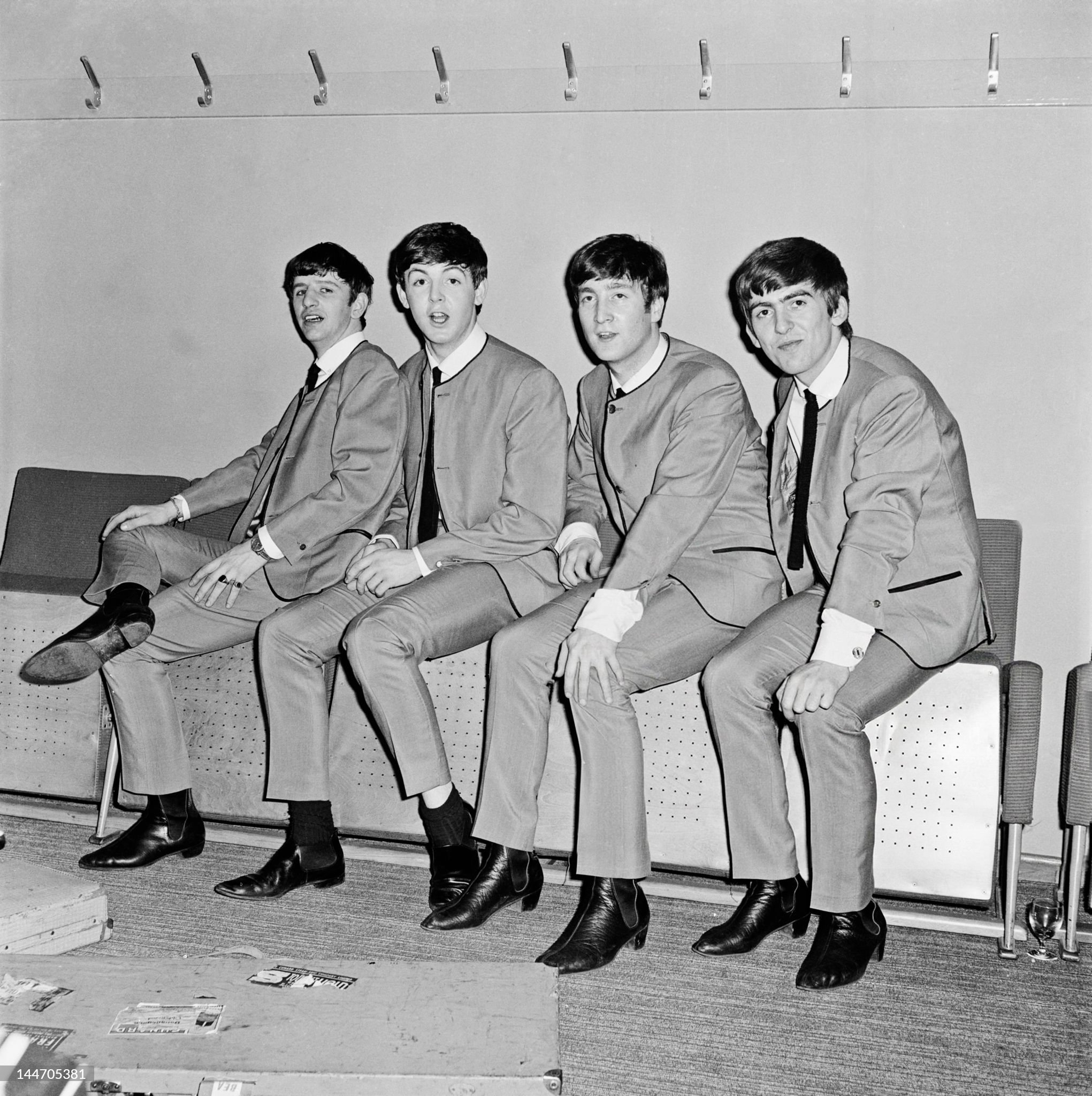
Beatles backstage Andy Wright
Within two years, customers were queuing outside Anello and Davide's door on Charing Cross Road to be fitted for their own pairs. Mick Fleetwood, describing the period in his autobiography Play On, was characteristically direct: "As a band, like a thousand others, we all went to a shoe shop called Anello and Davide and bought ourselves Beatle boots, which were basically Spanish dancing boots. They were a cool thing before the Beatles, but afterwards they were mandatory."
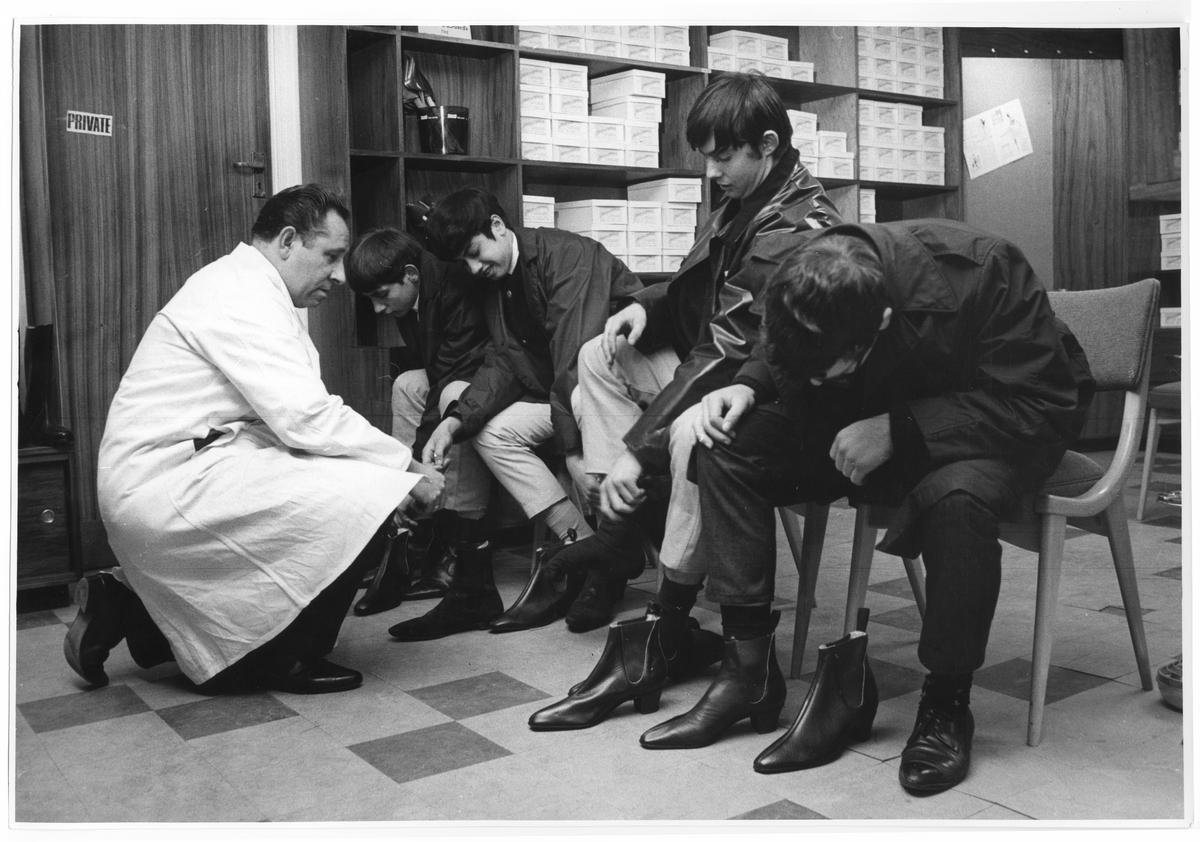
Mods trying on Beatles boots in Anello & Davide. photo: Terrence Spencer
The Rolling Stones wore them. The Small Faces wore them. The Who wore them. Every band in Britain that wanted to look like they meant business wore them. The boot that had started life as a theatrical craftsman's solution to a specific performance problem became the defining footwear of an entire cultural moment.
What makes this story interesting from a design perspective is what the boot actually was. It was not a new design. It was a combination of three existing things: the Chelsea boot's elastic side and ankle silhouette, the flamenco boot's Cuban heel, and the winklepicker's pointed toe. The Gandolfi workshop did not invent any of those elements. They had all existed independently for decades. The creative act was the combination. Someone with more experience might have told the Beatles that those three things didn't belong together. Instead the workshop simply made what was asked.
Anello and Davide never became a famous brand in their own right. The shop continued trading quietly in Covent Garden and later Charing Cross Road for decades, making theatrical footwear, bespoke dance shoes, and the occasional commission for someone who knew where to look. They held Royal Warrants from Queen Elizabeth the Queen Mother from 1997 and from Queen Elizabeth II from 2001, and from the mid-1990s until her death in 2022 served as her primary shoemaker. They also made heels for Marilyn Monroe. The list of clients is extraordinary and almost completely uncelebrated.
The workshop that made the most replicated boot in British music history never put its name on the boot, never pursued the cultural credit, and never expanded into the fashion brand the story would have justified. They just kept making shoes.
Question to ponder:
The Beatle boot was a hybrid of three existing things that nobody had thought to combine before. The combination was requested by people who didn't know what they weren't supposed to ask for. The craftsmen who made it didn't put their name on it.
In your own work: how much of what you consider expertise is actually the Einstellung Effect at work, stopping you from combining things that aren't supposed to go together? And who in your process is naive enough to ask the question you've stopped asking?
My Recommends this week:
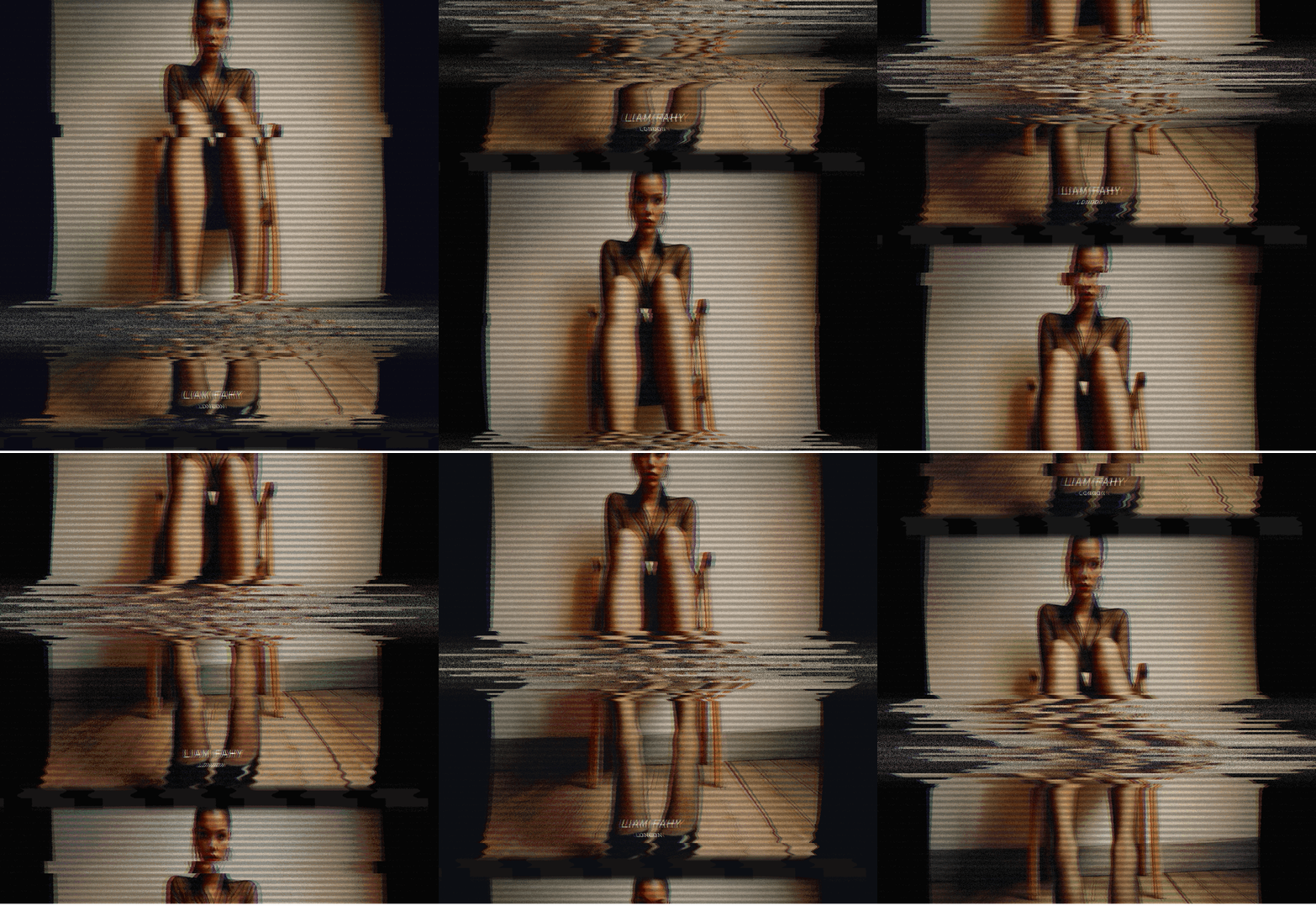
🎞️ Brik.space — An AI-powered design tool I've been experimenting with for creating animations, GIFs, 2D and 3D visuals and text effects. The gallery is the best place to start for ideas on what it can do. Genuinely one of the more interesting creative tools I've come across lately, especially for bringing static design work to life without needing a motion designer. Free to try.
👉 Check it out here / Browse the gallery

🌍 Radio Garden — Spin a globe and listen to live radio from anywhere on earth. I have this on in the background during long design sessions and I'm consistently surprised by what's playing in Nairobi or Reykjavik or São Paulo at any given moment. Part focus tool, part reminder that the world is considerably larger and more interesting than your immediate surroundings. Free, no signup needed, works in the browser.
👉 Listen here
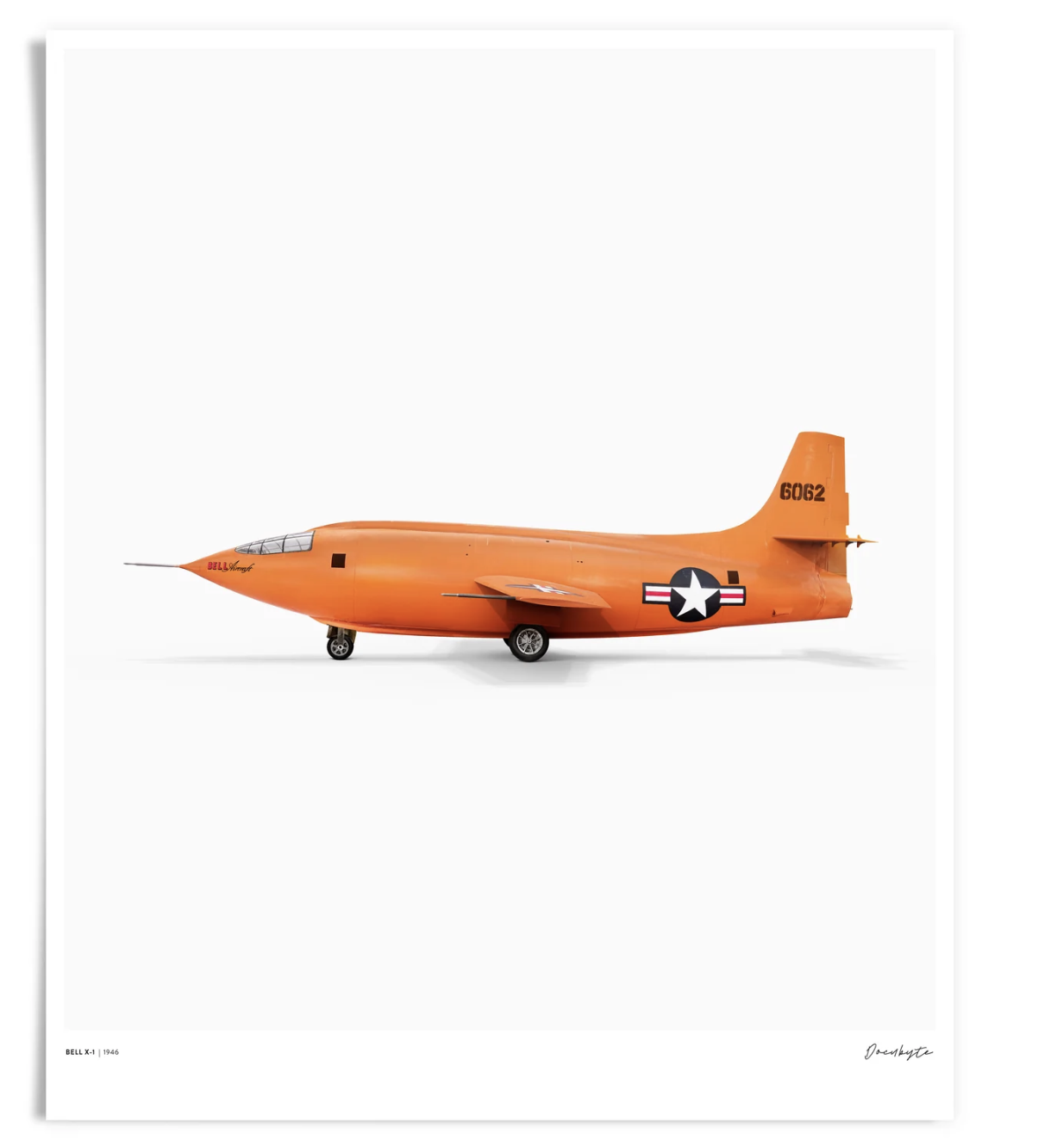
📸 Docubyte — A London-based photographer who shoots vintage technology, scientific instruments and industrial objects on pure white backgrounds with extraordinary precision and lighting. His archive is one of the most visually satisfying things on the internet for anyone who cares about objects and craft.
👉 docubyte.com
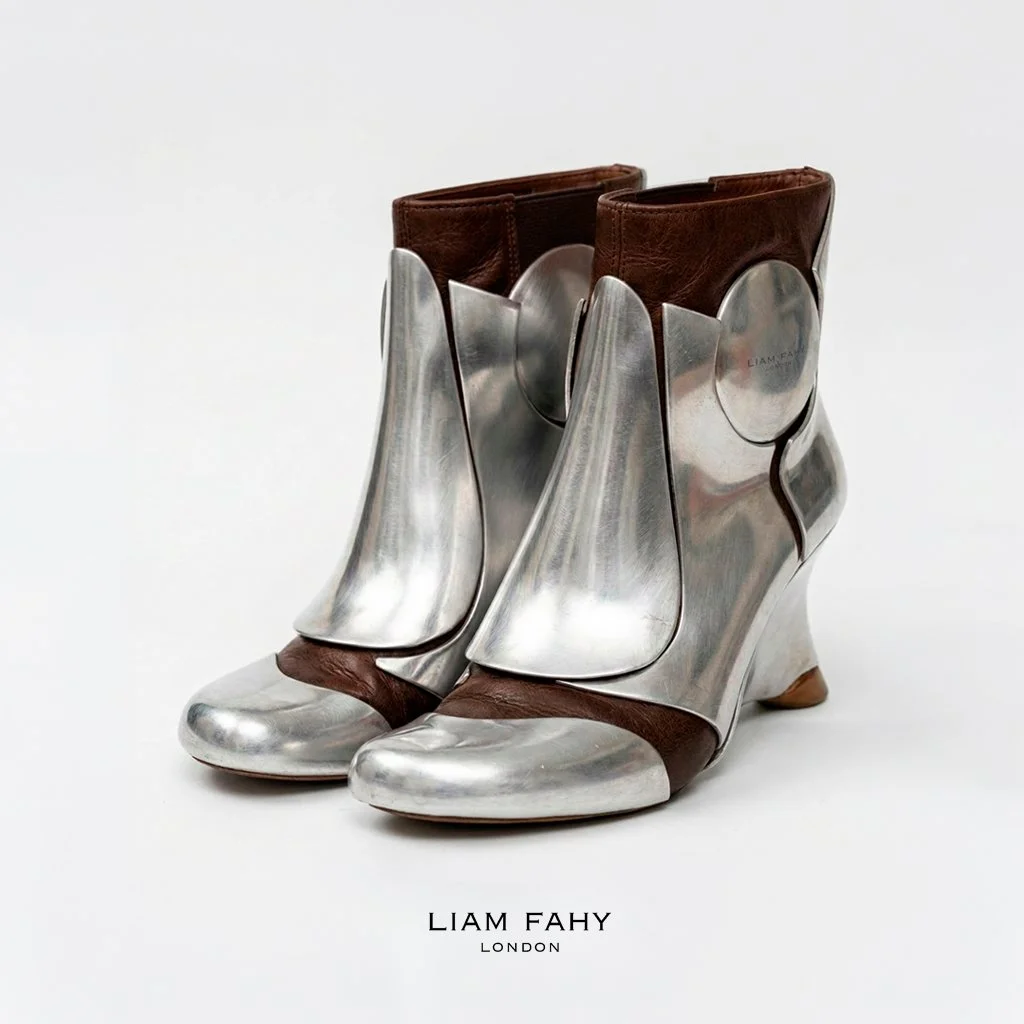
👟 Footwear Prototypes For a deep dive into innovative footwear design where I share original concepts, explore unique shoe materials, and discuss design strategy—all curated for anyone passionate about shoemaking, luxury design, and seeing fresh stuff, check out & follow my LinkedIn feed