Frank Rudy, Loss Aversion and the Air Sole That Almost Never Happened
Design Ideas and Random Thoughts
Read Time: 4 min
Quote of the week:
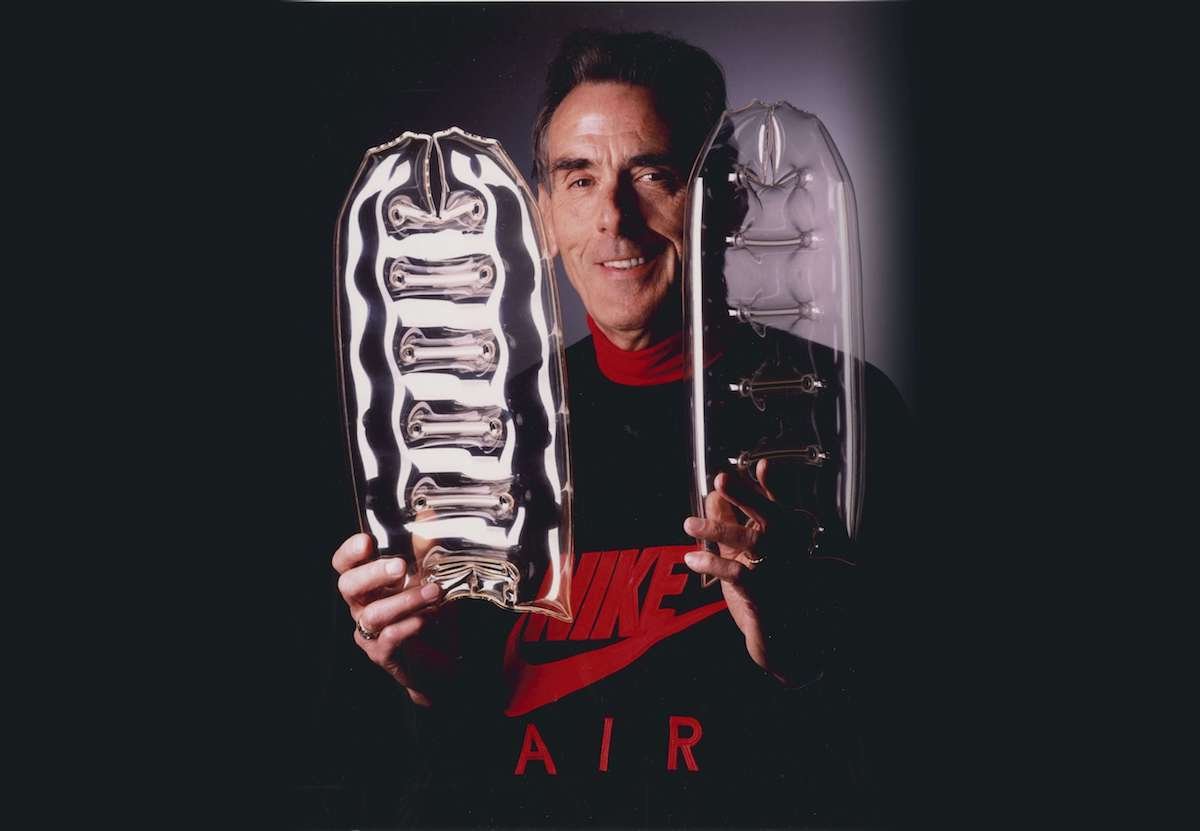
"Mr Knight, we've come up with a way to inject... air... into a running shoe." Frank Rudy, to Phil Knight, March 1977. Knight's response, per Shoe Dog: "Air shoes sounded to me like jet packs and moving sidewalks. Comic book stuff."
Made me think:
🧠 Loss Aversion - First documented by economist / psychologists Daniel Kahneman and Amos Tversky in 1979, loss aversion describes the finding that the pain of losing something is roughly twice as powerful as the pleasure of gaining the same thing. It is one of the most replicated findings in behavioural economics, and it is exactly what closed the deal between Frank Rudy and Nike. Knight wasn't sold on the technology. He was sold on the idea that Adidas had already heard the pitch.
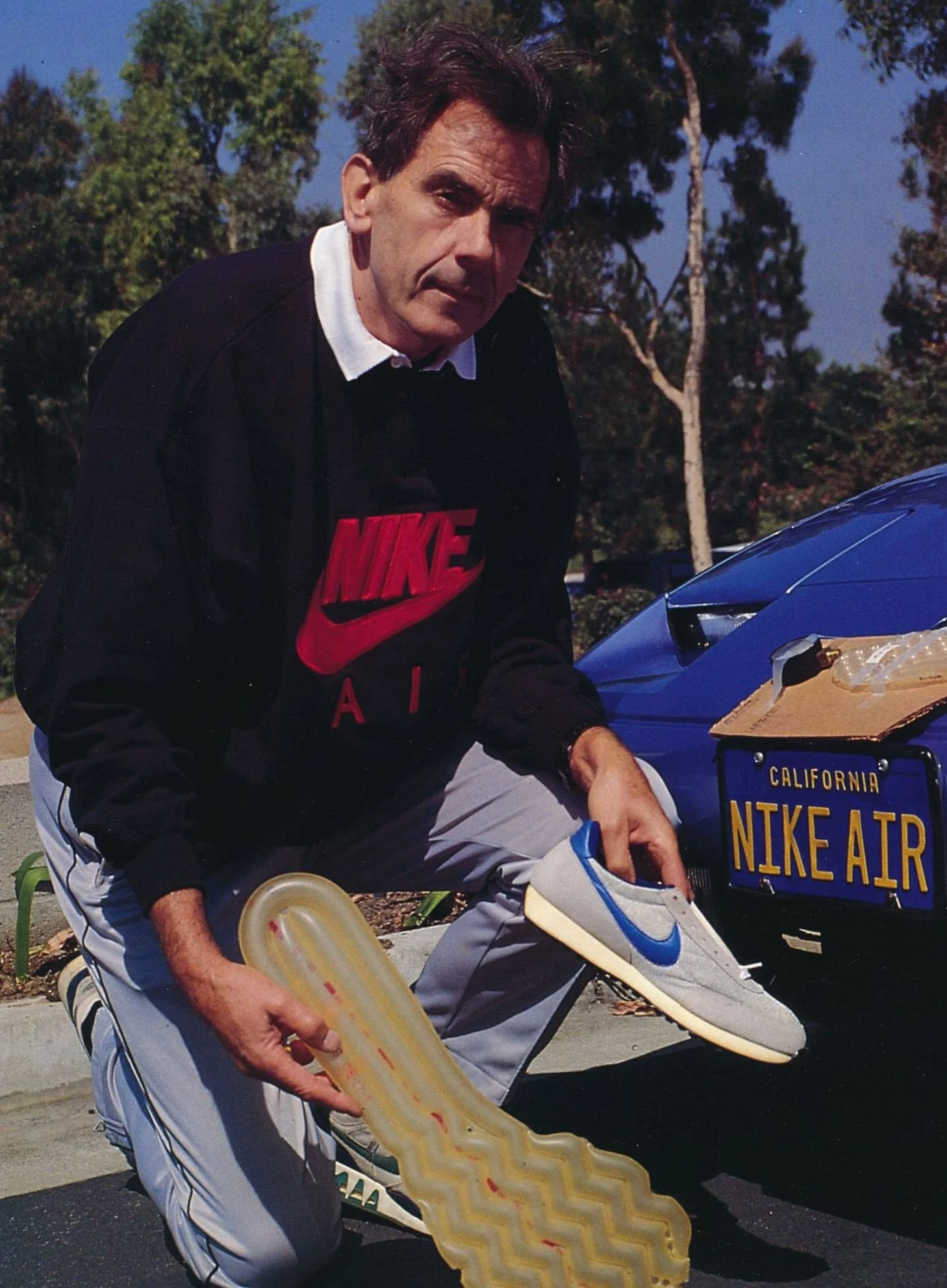
Frank Rudy
The NASA Engineer Who Knocked on 23 Doors.
Frank Rudy was not a shoe designer. He was not a runner, a marketer, or a brand strategist. He was an aerospace engineer from Cleveland, Ohio who spent his early career at NASA working on the Saturn and Apollo rocket engines. He held more than 250 patents during his lifetime. But the one that changed a $46 billion company came from an idea that every shoe brand in the world said no to, before one finally said yes.
The story starts at NASA, where Rudy was introduced to a manufacturing process called blow rubber moulding, used to create sealed, pressurised membranes for aerospace applications. Rudy saw something most engineers wouldn't have looked for: a cushioning system. If you could trap a dense inert gas inside a flexible polyurethane membrane, you had a material that compressed under impact and returned to shape immediately. Lighter than foam. More responsive than anything available in athletic footwear at the time. He built a prototype and started knocking on doors.
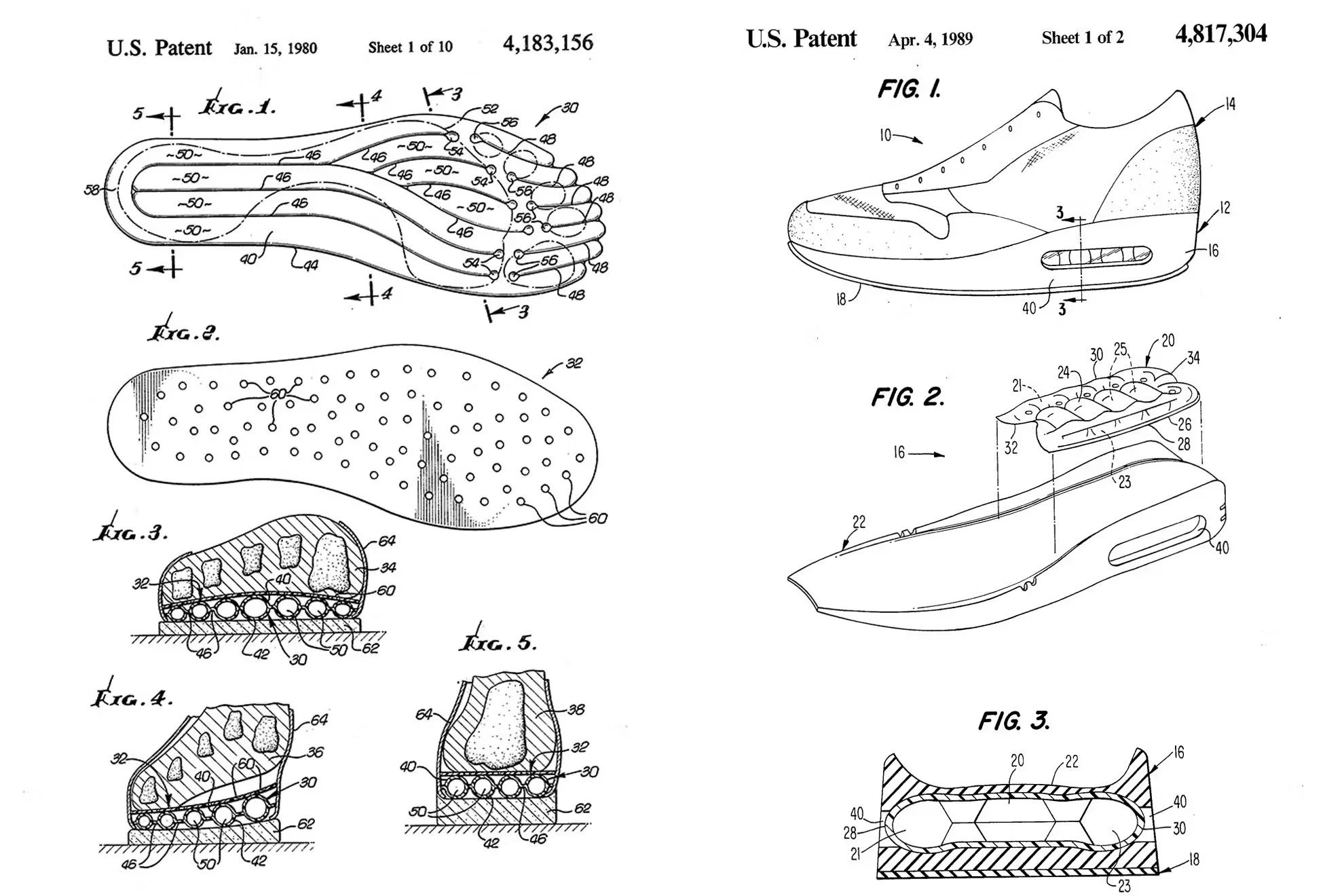
The air bubble patent drawing
Twenty-three companies turned him down. Some said it was too expensive to manufacture. Some said runners wouldn't understand it. Some simply didn't believe the science. Rudy, being Rudy, kept going. He was not the kind of man who took rejection as instruction.
In March 1977, he got a meeting with Phil Knight at Nike's headquarters in Beaverton, Oregon. Knight later described his first impression of Rudy in Shoe Dog as follows: "one look at him told you he was a nutty professor." The pitch involved equations on a blackboard, diagrams that didn't quite make sense, and a prototype that Knight couldn't immediately get excited about. Air shoes, he thought. Comic book stuff.
Rudy, sensing the room, shrugged. He said he understood. He mentioned, almost as an aside, that he had also pitched the idea to Adidas.
That was the moment everything changed.
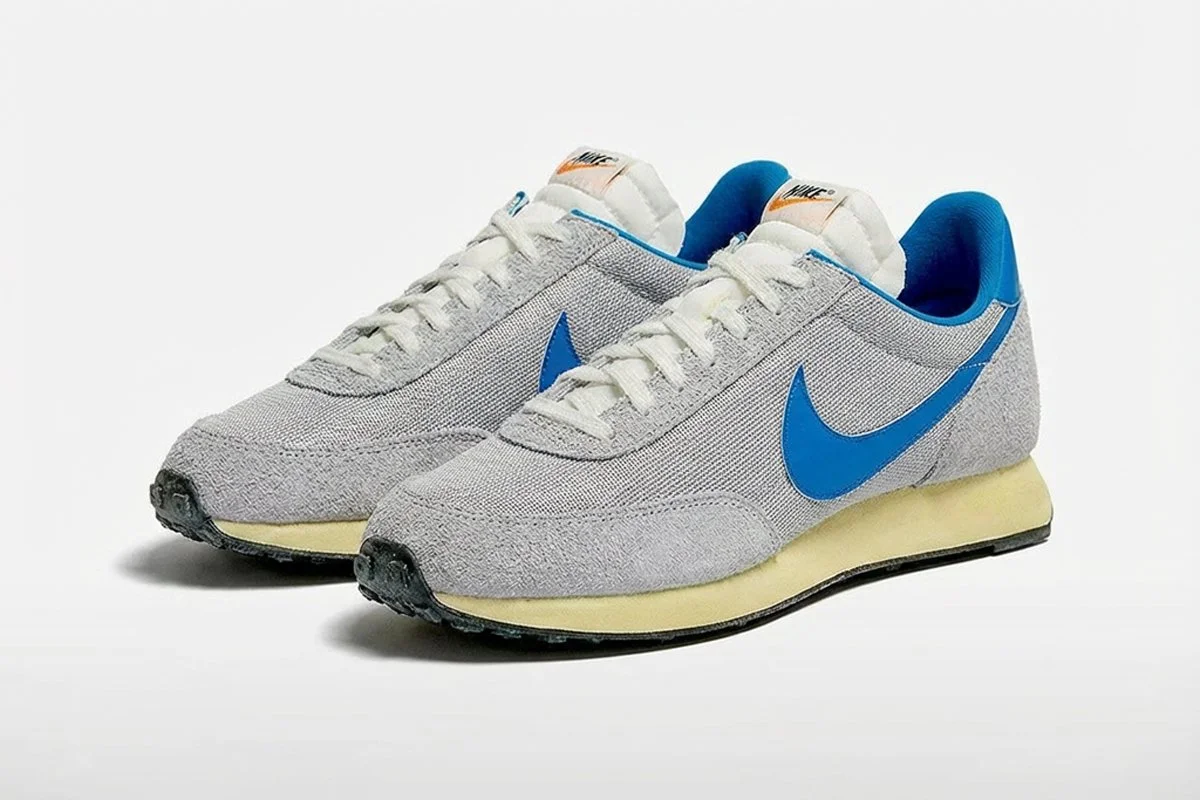
Original Nike air Tailwind
Knight didn't ask many more questions. He asked if he could put the air soles into his own shoes and go for a run. He came back six miles later and told Rudy: "not bad." That evening, Knight took Rudy and Nike exec Rob Strasser to dinner. By the end of the night, there was a deal. Strasser opened at 10 cents royalty per pair, Rudy countered at 20, and they settled somewhere in the middle. The most important licensing agreement in the history of athletic footwear was closed over a dinner table, at least partly because one man mentioned a competitor's name at exactly the right moment.
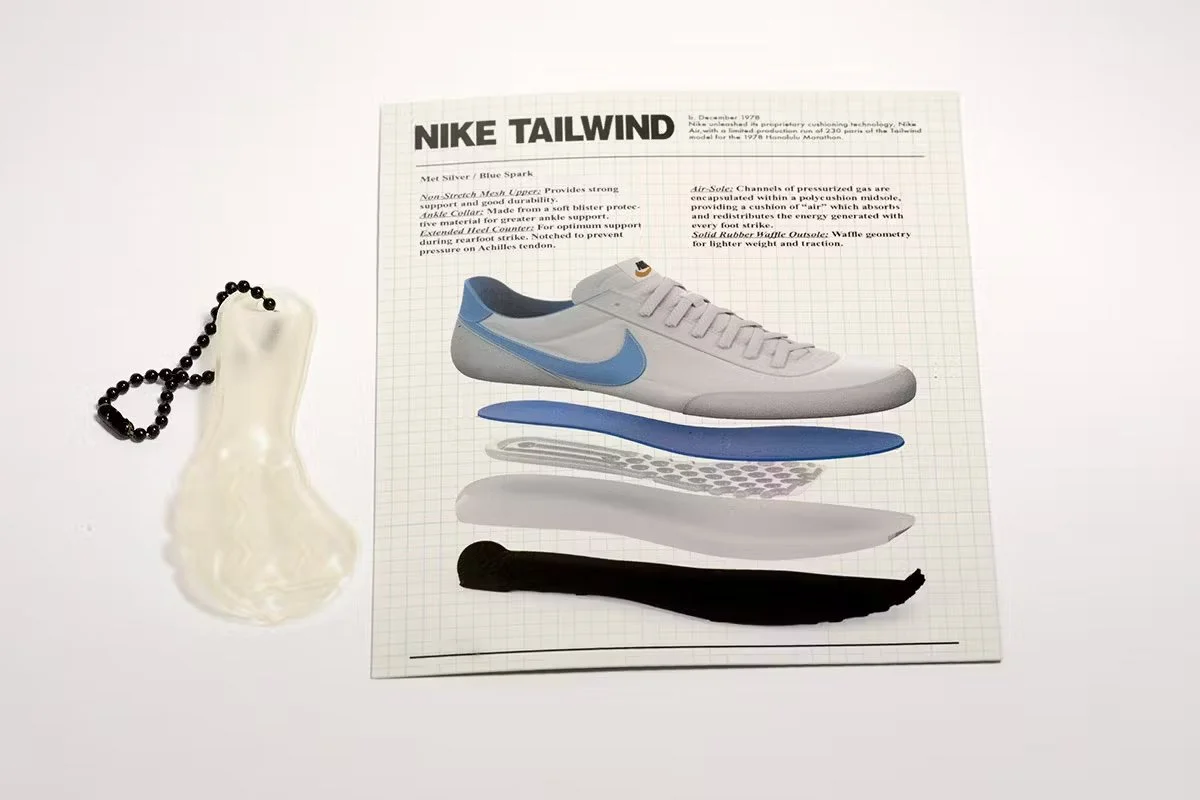
Nike sent Rudy to their Exeter, New Hampshire facility, then functioning as an R&D lab. Development was not smooth. Early prototypes blew out on long test runs, leaving testers to limp back in the cold. The first attempt at a production Air shoe, the Nike Air Tailwind of 1978, sold out in 24 hours at the Honolulu Marathon and then had to be recalled. The problem was not the air sole. It was the silver metallic dye used on the upper, which contained microscopic metal particles that shredded the mesh from the inside. The Air sole worked perfectly. The shoe fell apart anyway. Word spread that Nike Air was blowing out. The technology Rudy had spent years developing nearly died in the PR fallout from a paint decision.
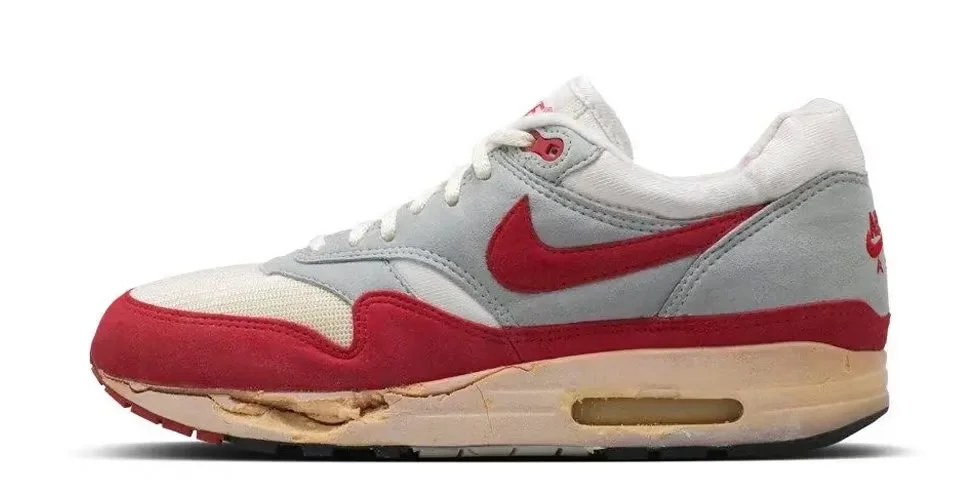
One of the original Nike Air Max's
It survived, because the actual product was too good to stay buried. By 1982 the Air Force 1 brought Air into basketball. By 1985, Nike were in serious financial trouble, bleeding market share to Reebok and the aerobics boom, and were quietly considering phasing Air out entirely. Rudy refused to accept it. He rang the Exeter team so persistently that one engineer eventually recorded a loop tape of himself saying "Uh hmm" and "Yeah, you're right about that Frank" and played it on the speaker phone while he got on with other work.
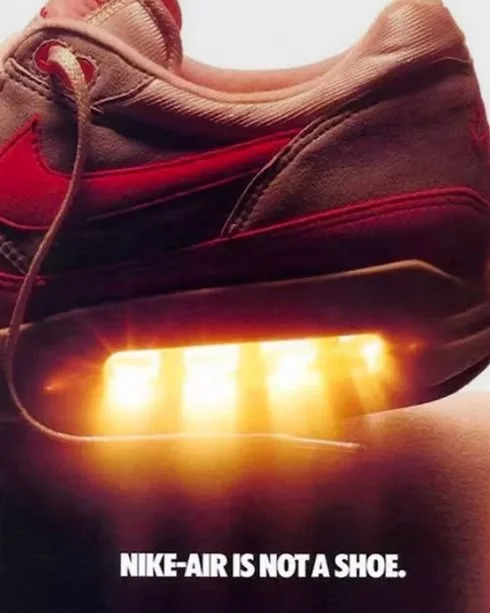
Rudy was right. In 1987, the Air Max 1 launched with a visible Air unit in the midsole, a concept Rudy had been pushing for years. Nike's financial problems evaporated. The Air Max 1 is now one of the most important silhouettes in sneaker history, and visible Air has been the visual language of Nike performance ever since.
Frank Rudy died in December 2009, aged 84. Shortly before his death, he gave one of his last interviews about the technology. By all accounts a humble man, he understood the scale of what he had built but never seemed particularly interested in the spotlight. In 2022, Nike released a special edition Air Max 97 in his name. For a man who held 250 patents and changed an industry, it took them a while.
Question to Ponder
Rudy was rejected 23 times by companies whose entire business was the product he was trying to improve. The expertise was in the room, and it still couldn't see what he was offering. The one person who eventually said yes didn't say yes because he understood the technology. He said yes because he was afraid of what would happen if he said no.
What does that tell you about how genuinely new ideas actually get adopted? And if you had been sitting across the table from Rudy in 1977, with equations on a blackboard and a prototype that felt strange underfoot, would you have taken the meeting seriously?
My Recommends this week + News:
🏆 News — we've been nominated for Drapers Footwear Designer of the Year Award. First time on that list since winning it as a student two decades ago! Feels good to be back.
🎬 Abstract: The Art of Design, Tinker Hatfield episode (Netflix, 2017) — The best 45 minutes of footwear design television ever made. Hatfield is the designer who made Air visible, turning Rudy's hidden technology into the Air Max 1 window that changed Nike's identity. The full episode is free on YouTube via Netflix's official channel.
👉 Watch it here
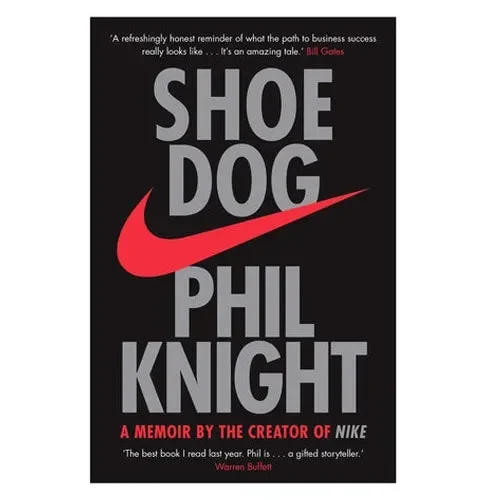
📘 Shoe Dog by Phil Knight (Simon & Schuster, 2016) — Knight's memoir covers the Frank Rudy meeting in detail and reads like a thriller. Contains the full pitch scene, the Adidas aside, and the six mile test run. If you want to understand how Nike actually became Nike, this is where you start.
👉 Check it out here
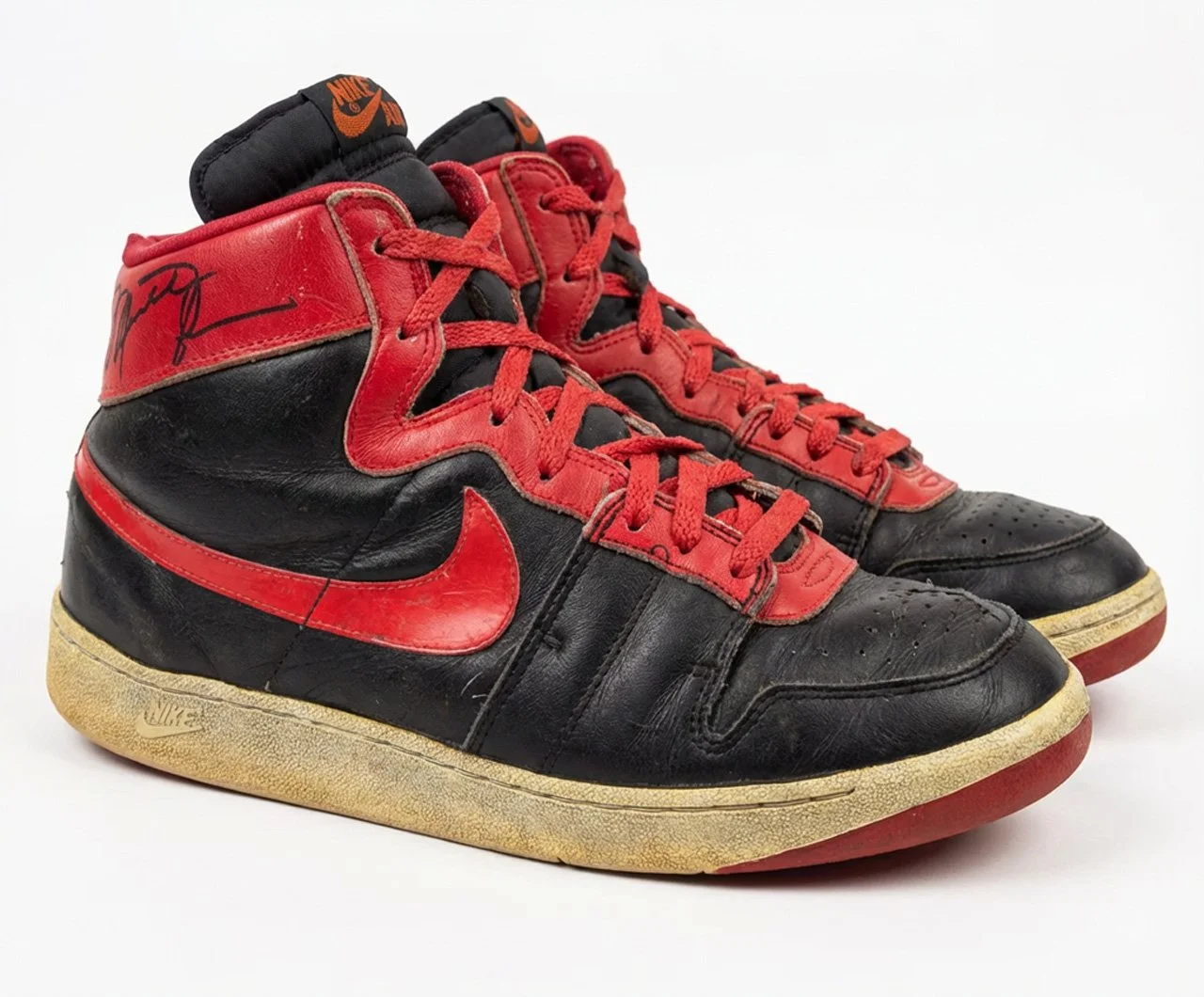
👠 If you liked this... You'll enjoy the story of Jordan's banned AJ1, another moment where breaking the rules at Nike turned into a billion dollar brand decision.
👉 Check it out here
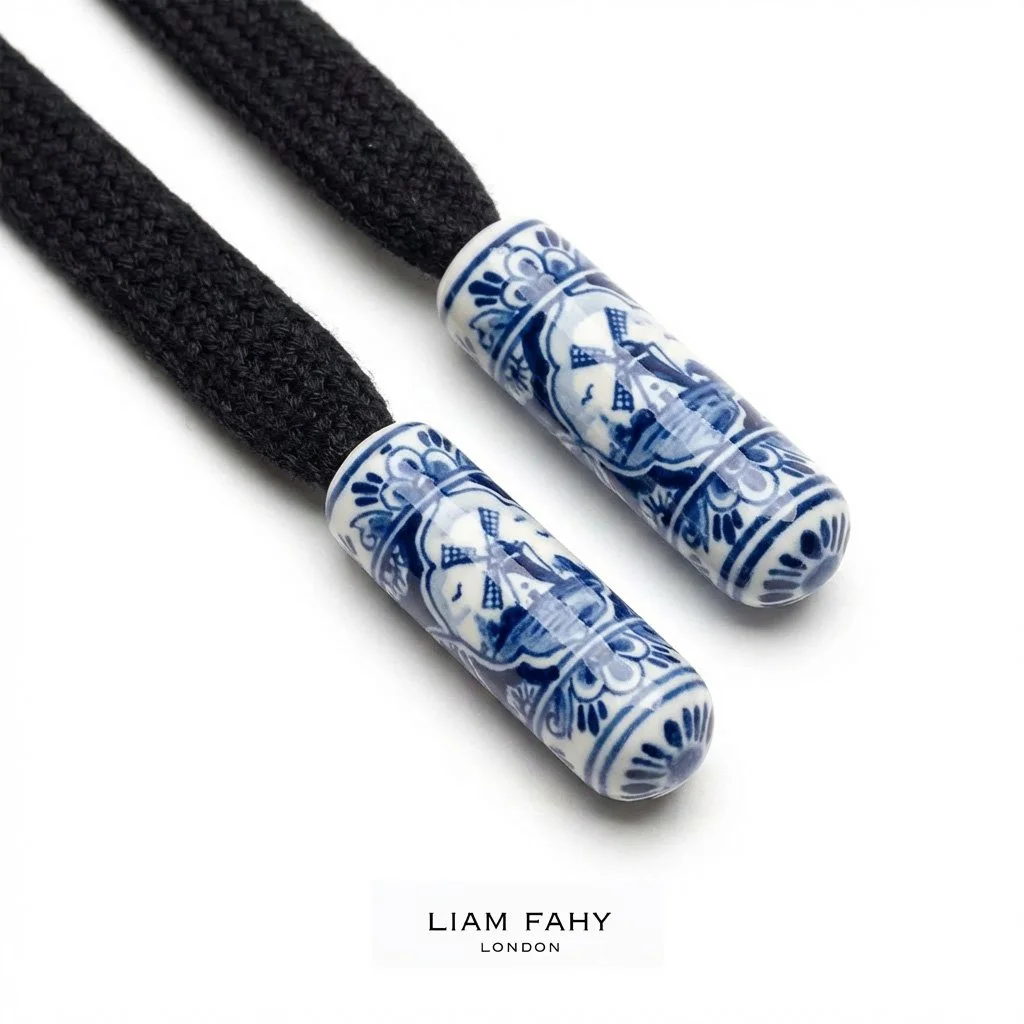
👟 Footwear Prototypes For a deep dive into innovative footwear design where I share original concepts, explore unique shoe materials, and discuss design strategy—all curated for anyone passionate about shoemaking, luxury design, and seeing fresh stuff, check out & follow my LinkedIn feed