Jordan’s banned Sneakers. How Breaking the Design Rules Built a Billion Dollar Sneaker Brand.
Design Ideas and Random Thoughts
Read Time: 4 min
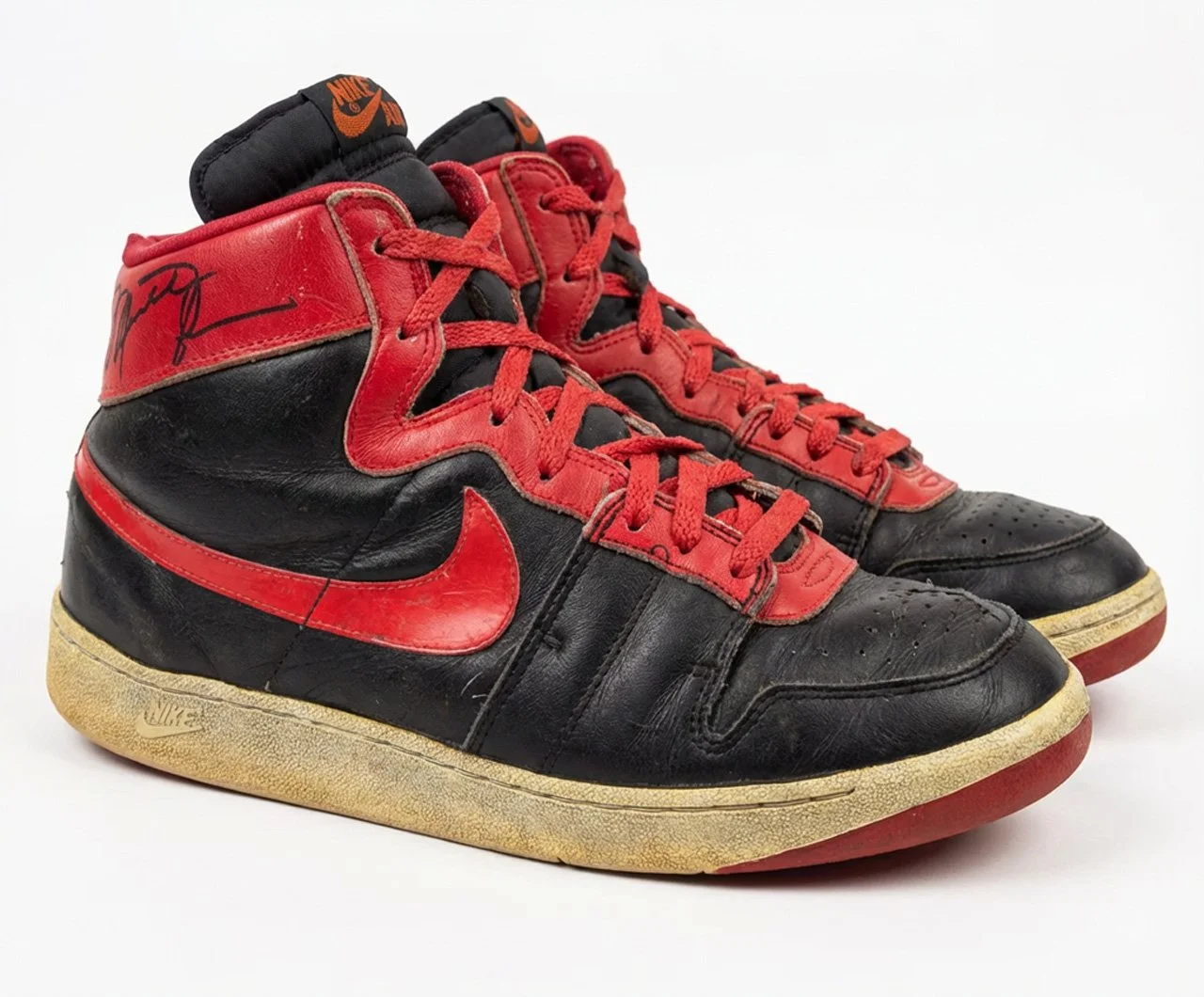
The Nike Air Ship (pre Jordan brand)
Quote of the week:
“Once men turned their thinking over to machines in the hope that this would set them free. But that only permitted other men with machines to enslave them.”
— Frank Herbert, Dune (1965.
Made me think:
🧠 Reactance Theory- coined by psychologist Jack Brehm in 1966, states that when people feel their freedom to choose is restricted, they desire the restricted option more intensely. Tell someone they can’t have something and watch what happens...
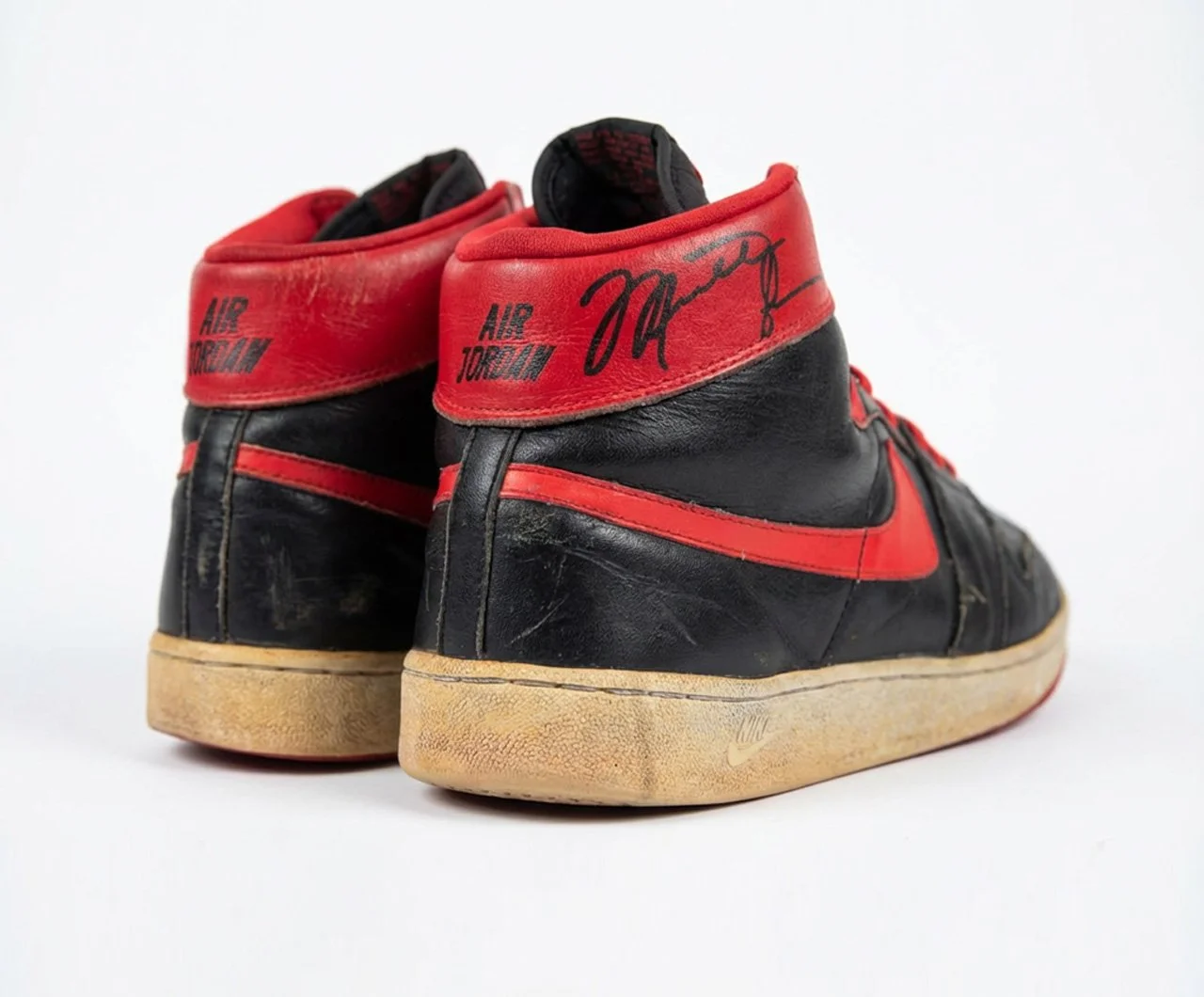
The Nike Air Ship (pre Jordan brand)
How Breaking the Rules Built a Billion Dollar Sneaker.
There are countless stories about Jordan and Jordans - the most successful athlete-brand partnership in history, but this one matters because it wasn’t just a shoe. It was a strategic act of design.
The “Banned” Air Jordan 1 refers to the black-and-red (aka “Bred” in sneaker slang ) colourway of Michael Jordan’s first signature shoe.
The popular myth:
The NBA banned the shoe.
Jordan wore it anyway.
Nike paid $5,000 per game.
The reality is more interesting.
On October 18, 1984, Jordan wore a black-and-red Nike Air Ship in preseason at Madison Square Garden. The NBA rule required shoes to be at least 51% white and match team uniforms. He was fined $1,000 per game, not $5,000.
Nike paid. Gladly.
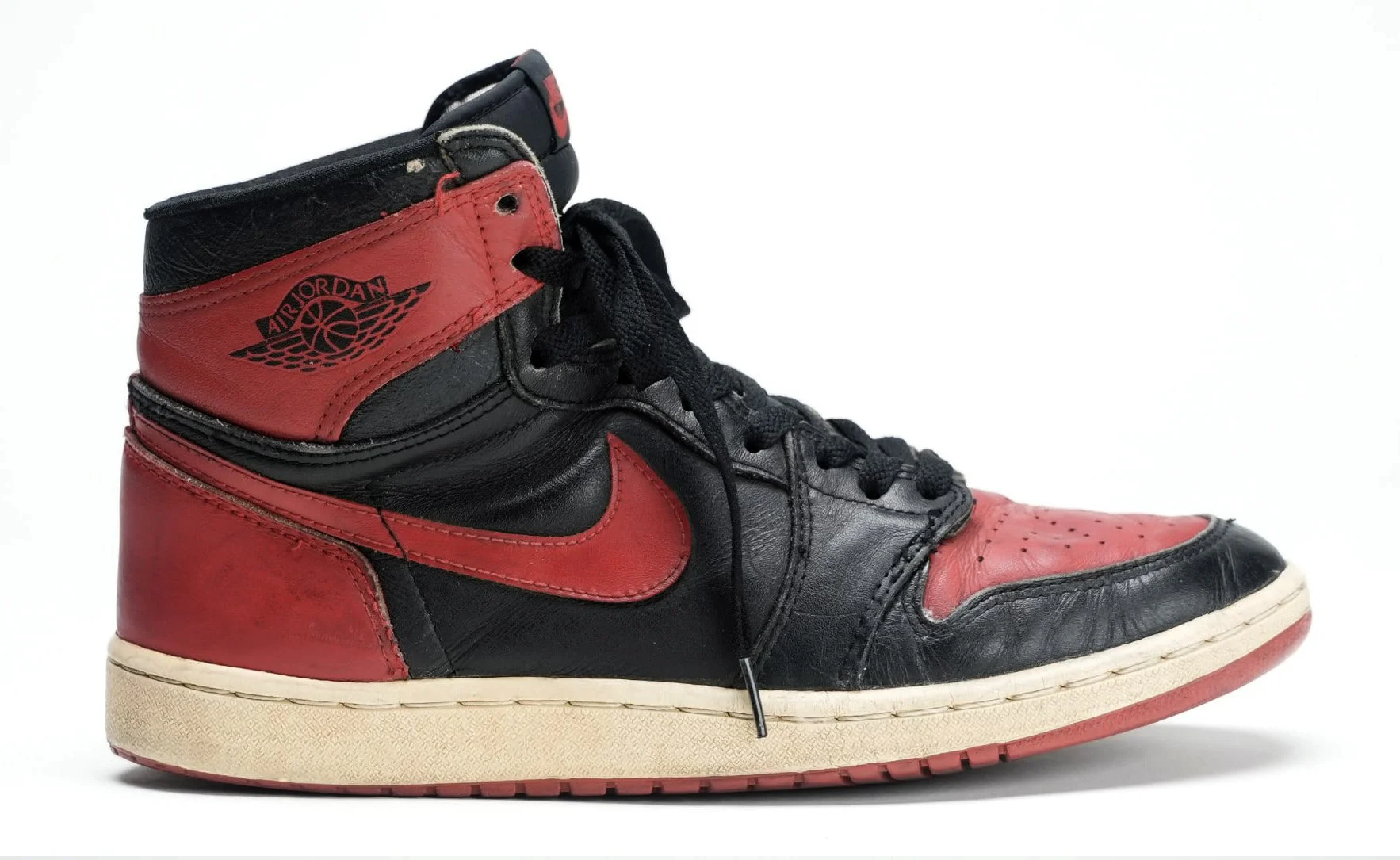
AJ1 Bred original pair
On November 17, 1984, the actual AJ1 Bred debuted. By February 1985, after further visibility (including the Slam Dunk Contest), the league sent a formal warning letter.
Then Nike did something brilliant. They designed to break the rules.
The AJ1 was designed by the late great Peter Moore — the same designer behind the Nike Dunk and the Adidas Equipment line later in his career.
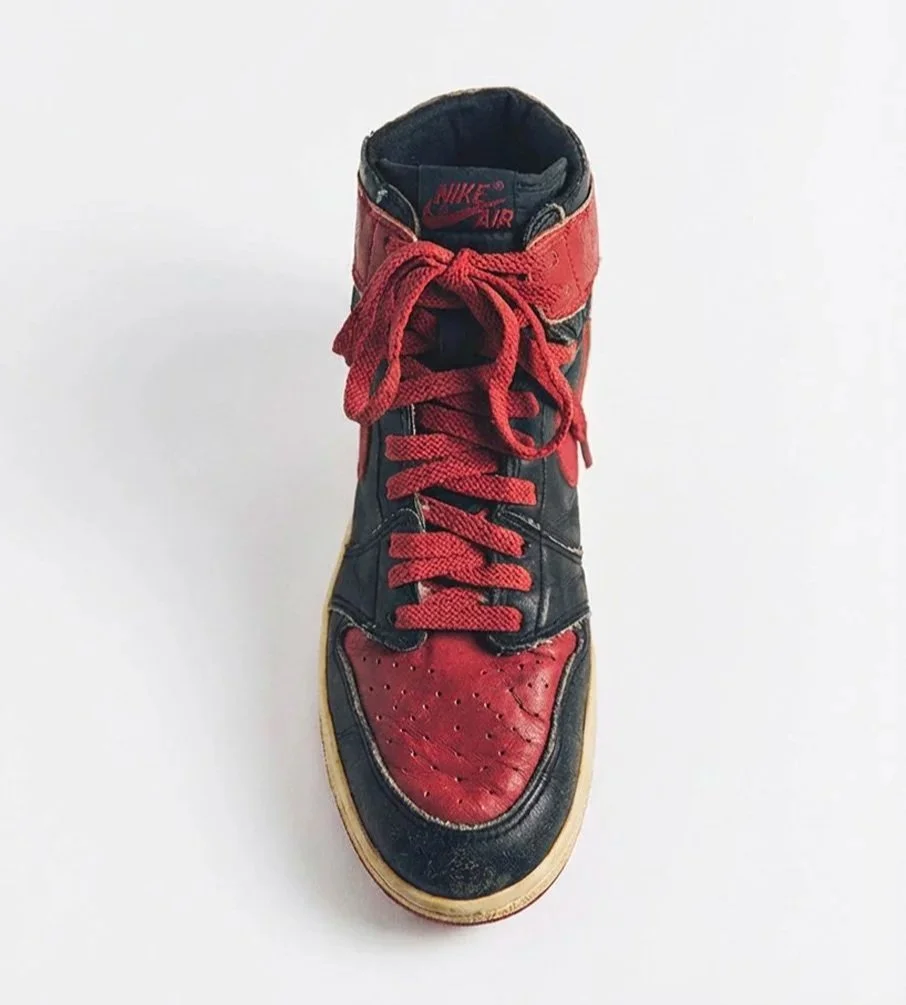
Lesser-known details for the shoedogs:
The Wings logo was sketched on a napkin on a flight.
The high-top structure was intentionally more aggressive and architectural than most court shoes of the time.
The Swoosh placement was slightly elongated for stronger sidewall impact. (I personally think that would make no difference)
The black overlays over red underlays created a sharper graphic contrast than the mostly white league-standard footwear.
It borrowed tooling DNA from the Nike Dunk but elevated materials and identity.
The padded collar construction subtly improved ankle containment versus flatter/thinner competitors.
It wasn’t just rebellious in colour. It looked different. It felt different. It declared difference.
And Nike understood something fundamental:
Rules create contrast. Contrast creates attention. Attention creates desire.
The “Banned” Ad: Nike’s Kayfabe Masterstroke
In April 1985, Nike released the now-iconic “Banned” commercial.
Black screen. Red shoe. Censored box.
Voiceover: “
On October 18th, the NBA threw them out of the game. Fortunately, the NBA can’t stop you from wearing them.”
The league never truly banned the Air Jordan 1 outright. But Nike didn’t need literal truth.
They cleverly weaponised narrative. Initial production: 50,000 pairs and rookie year revenue was reportedly over $150 million.
The shoe wasn’t just worn, it was persecuted, and that made it cultural.
Since then, many brands & shoes have flirted with artificial controversy:
2011: Nike retroed the AJ1 with a red “X” and leaned back into the banned narrative.
2018: Nike ran the Colin Kaepernick campaign, again weaponising division.
Streetwear brands now routinely use “pulled,” “cancelled,” or “restricted” drops as scarcity theatre.
But most miss the key difference. The original moment wasn’t a stunt. It was a collision between institutional conformity and individual identity. Pushing boundaries and that tension was real!
Why It Still Matters
The AJ1 proved that design plus narrative beats compliance. And rule-breaking, when aligned with cultural timing, becomes mythology.
It also reframed what a basketball shoe could be: Not just equipment; not just uniform but identity.
Nearly 40 years later, the “High ‘85 Banned” retros still trigger the same reflex. Because it was never about red and black leather. It was about being told no.
When the Jordans debuted, Nike held about 15% of the US basketball market, trailing Converse 50% and Adidas 25%; now they have about 29% and they own Converse.
Question to Ponder
If a product needs to be “banned” to feel desirable, is the power in the object, or in the resistance against it?
My Recommends this week:
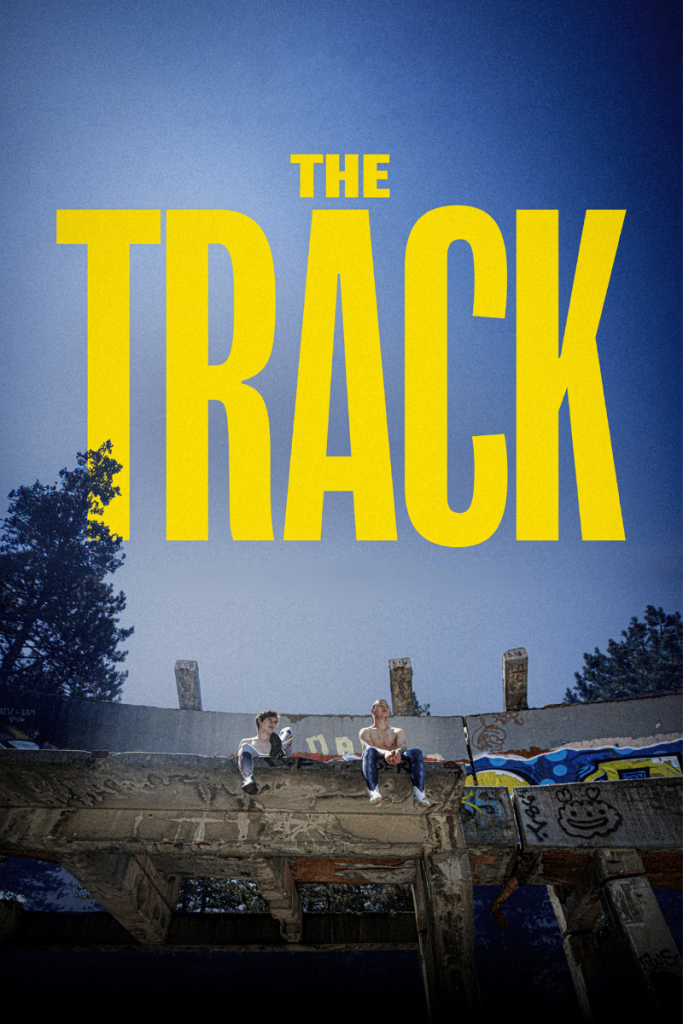
🎬 The Track (documentary): A coming-of-age documentary following three friends training for luge gold on the destroyed Sarajevo 1984 Olympic track. Post-war resilience, raw ambition, beautiful tension.
👉 check the trailer here
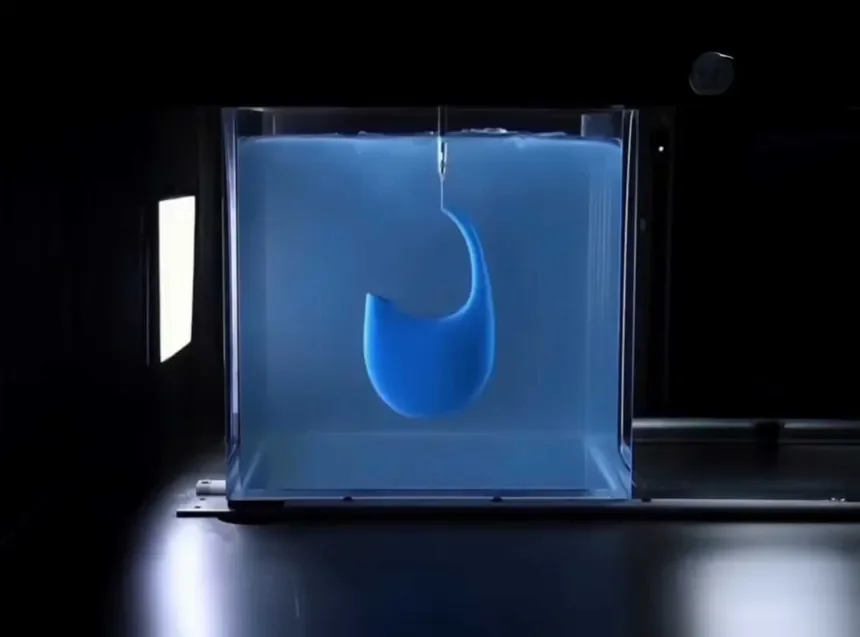
🧪 Rapid liquid printing Gravity-free, waste-reduced 3D printing developed at MIT. Liquid material printed inside gel — unlocking organic geometries impossible with traditional additive manufacturing. If AI and generative design evolve as expected, this will reshape footwear prototyping.
⚒️ George Barnsley & Sons Handmade shoemaking and leathercraft tools since 1836. Sheffield steel. Proper craft. If you care about the process, this is cathedral-level stuff. 👉 Check it out here

👞 If you liked this… You’ll enjoy our deep dive into the story behind the Ari Menthol Tens, the shoes that were actually banned!
👉 Check it out here
👟 Footwear Prototypes For a deep dive into innovative footwear design where I share original concepts, explore unique shoe materials, and discuss design strategy—all curated for anyone passionate about shoemaking, luxury design, and seeing fresh stuff, check out & follow my LinkedIn feed