Design Ideas and Random Thoughts
Read Time: 3-4 min
Quote of the week:
“The best way to predict the future is to create it.” - Alan Kay
Made me think:
🧠 Availability Heuristic - Coined in 1973 by cognitive psychologists Amos Tversky and Daniel Kahneman, the availability heuristic is a mental shortcut we use to judge the likelihood of an event by how easily examples come to mind. If you’ve recently seen news stories about plane crashes, you may overestimate the danger of flying, not because it’s truly more dangerous, but because those images are readily available in your memory. In design, this often leads clients to default to "familiar" trends rather than truly innovative solutions, simply because they’ve seen them more often in recent media or competitors’ launches.
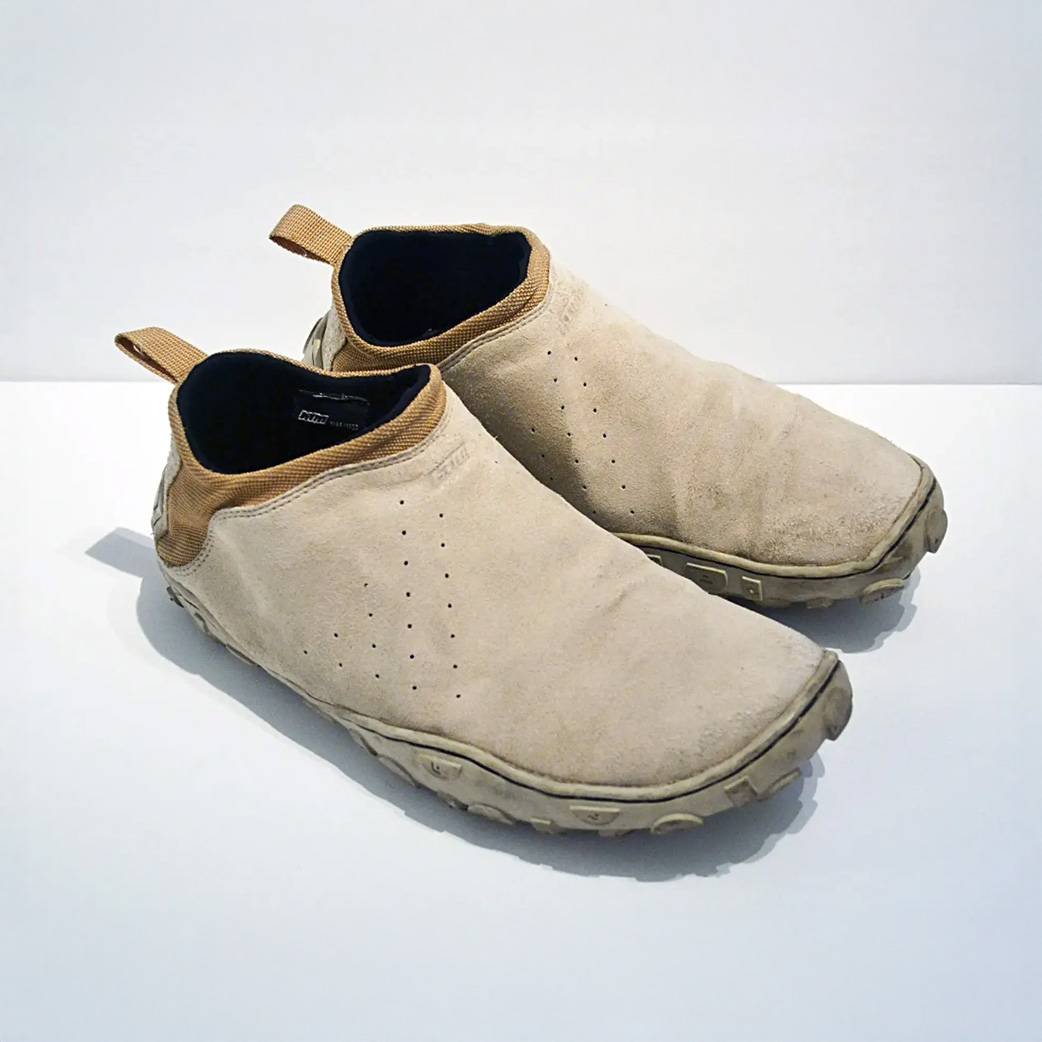
The Secret Sneakers of Nike’s HTM Lab
In 2002, Nike launched one of its most secretive and innovative design ventures under the codename HTM, a collaboration between three industry titans:
H for Hiroshi Fujiwara, the godfather of Japanese streetwear
T for Tinker Hatfield, Nike’s legendary shoe designer
M for Mark Parker, later Nike’s CEO and a design obsessive
HTM was never meant to be a mass-market line. It was Nike’s internal skunkworks: a space for avant-garde experiments in tech, aesthetics and storytelling that often trickled down into mainstream products years later. Flyknit is the best-known example, launched through HTM in 2012 with the Flyknit Racer and Flyknit Trainer before going global. These weren’t hyped with ads or influencers. You simply stumbled across them if you knew where to look.
But HTM was also a cultural play. The shoes looked sharp enough for fashion week but were grounded in performance DNA. Many released in hyper-limited drops, becoming instant collector grails. Today, the HTM line is dormant, or at least silent, but its legacy continues in NikeLab and other innovation labs around the globe.
Check out the full story of HTM’s history here
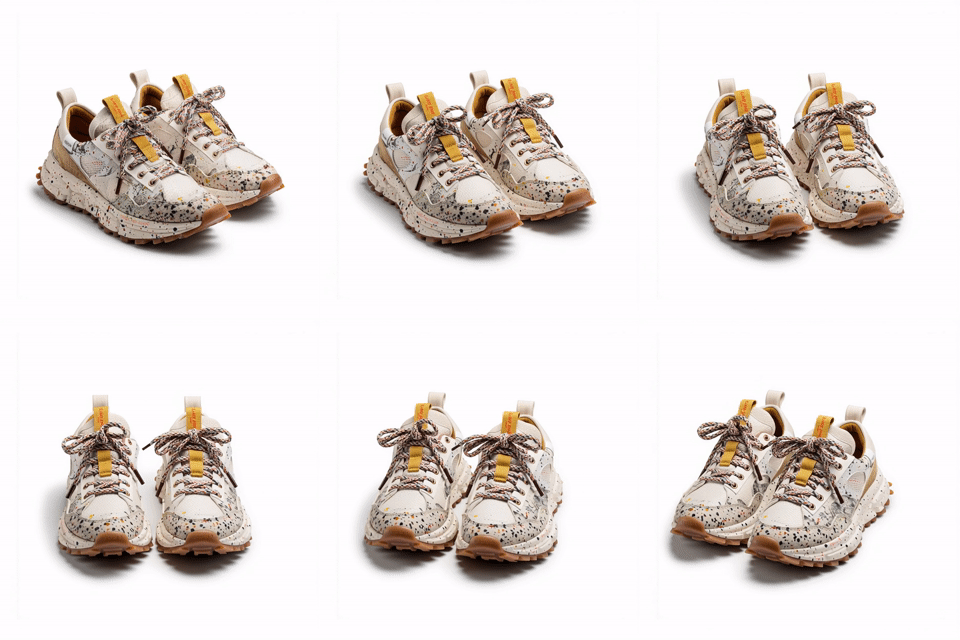
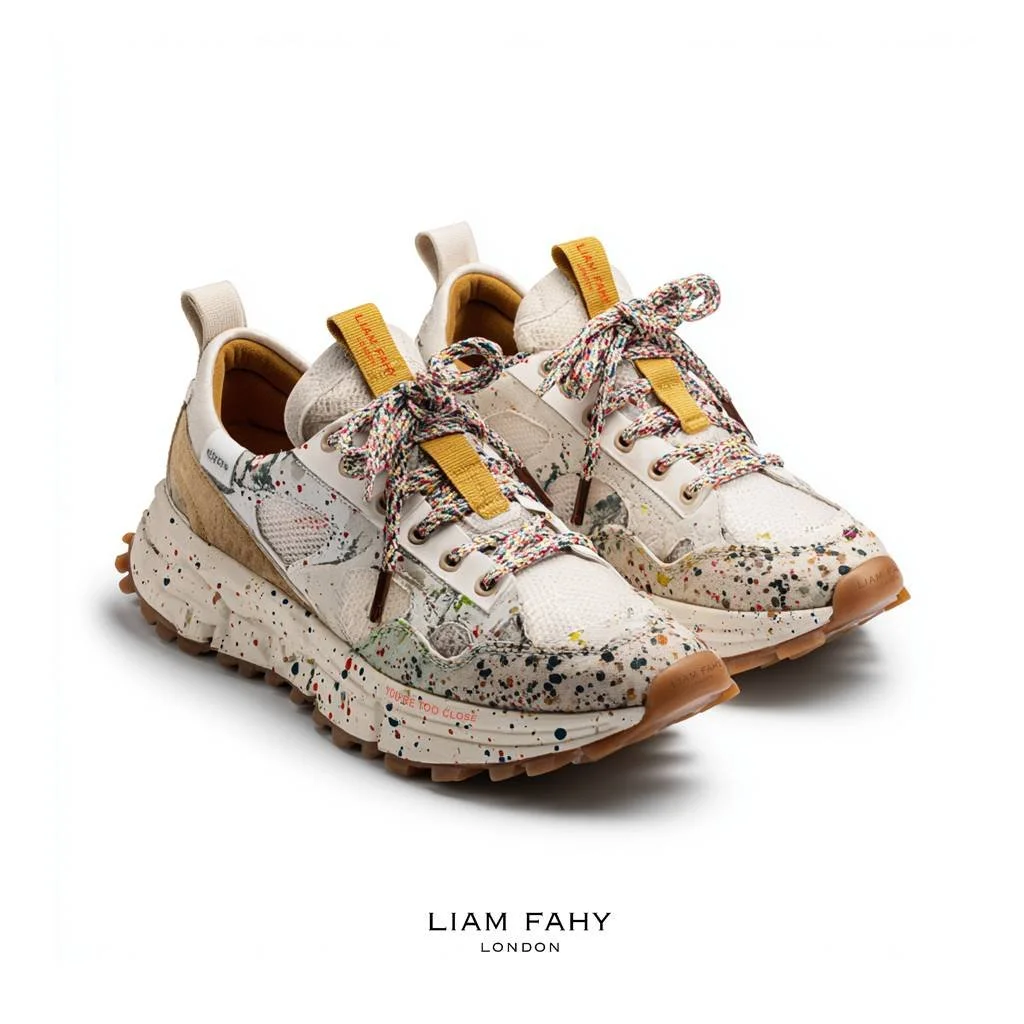
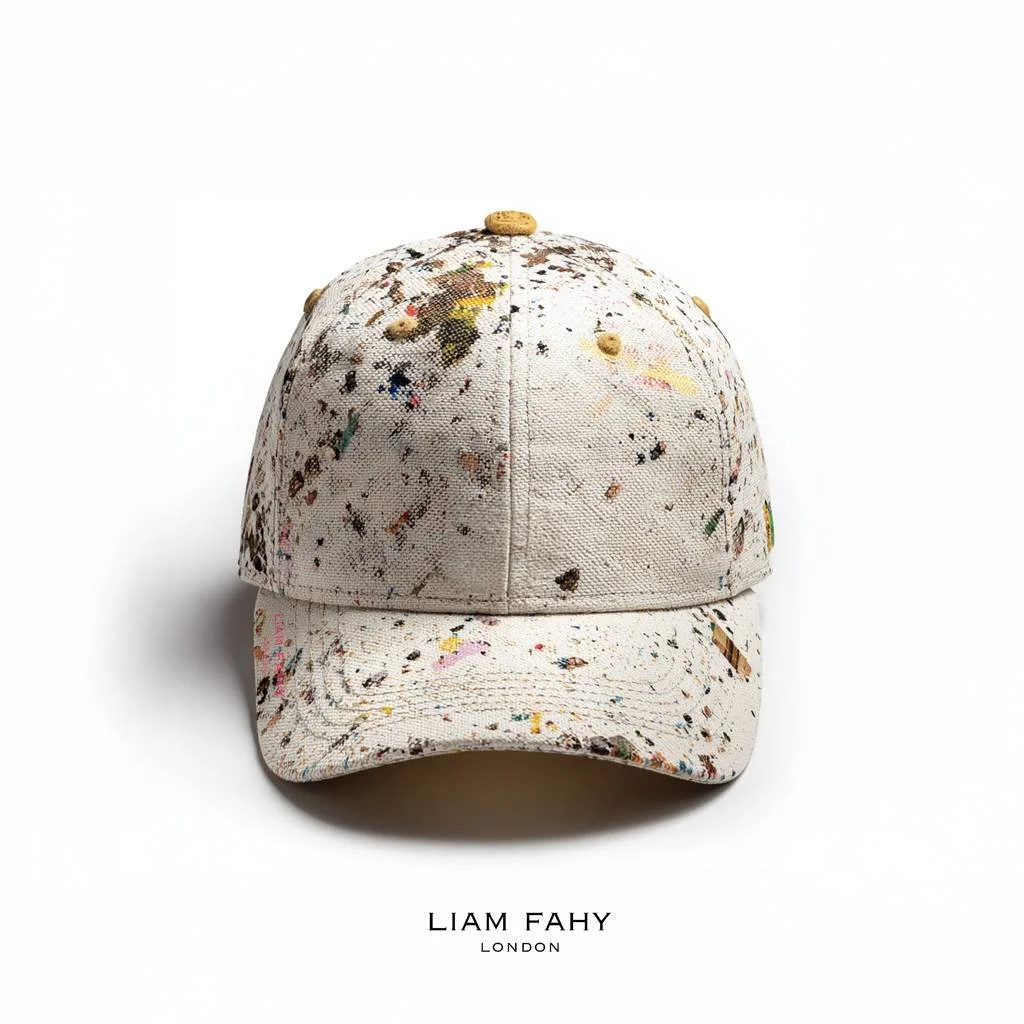
This story got us thinking about how innovation often hides in plain sight. At Studio Fahy, we followed a similar path, designing eco-forward running sneakers using recycled EVA-PVC midsoles and uppers crafted from sustainable synthetics, breathable plant-derived textiles and natural rubbers.
No hype drops. No influencers. Just a belief in smart, sustainable design that deserves to move people, just like HTM once did.
Question to Ponder:
How powerful can secrecy be in design? HTM operated in the shadows (or so it came across). Margiela built a brand on anonymity. Even the Streisand Effect teaches us: the more hidden something is, the more we want to uncover it. In a world obsessed with transparency, maybe mystery is the final frontier of brand storytelling. Should more design and branding teams lean into secrecy, not just to protect IP, but to build myth? Would your next collection be stronger if you said less?
My Recommends this week:
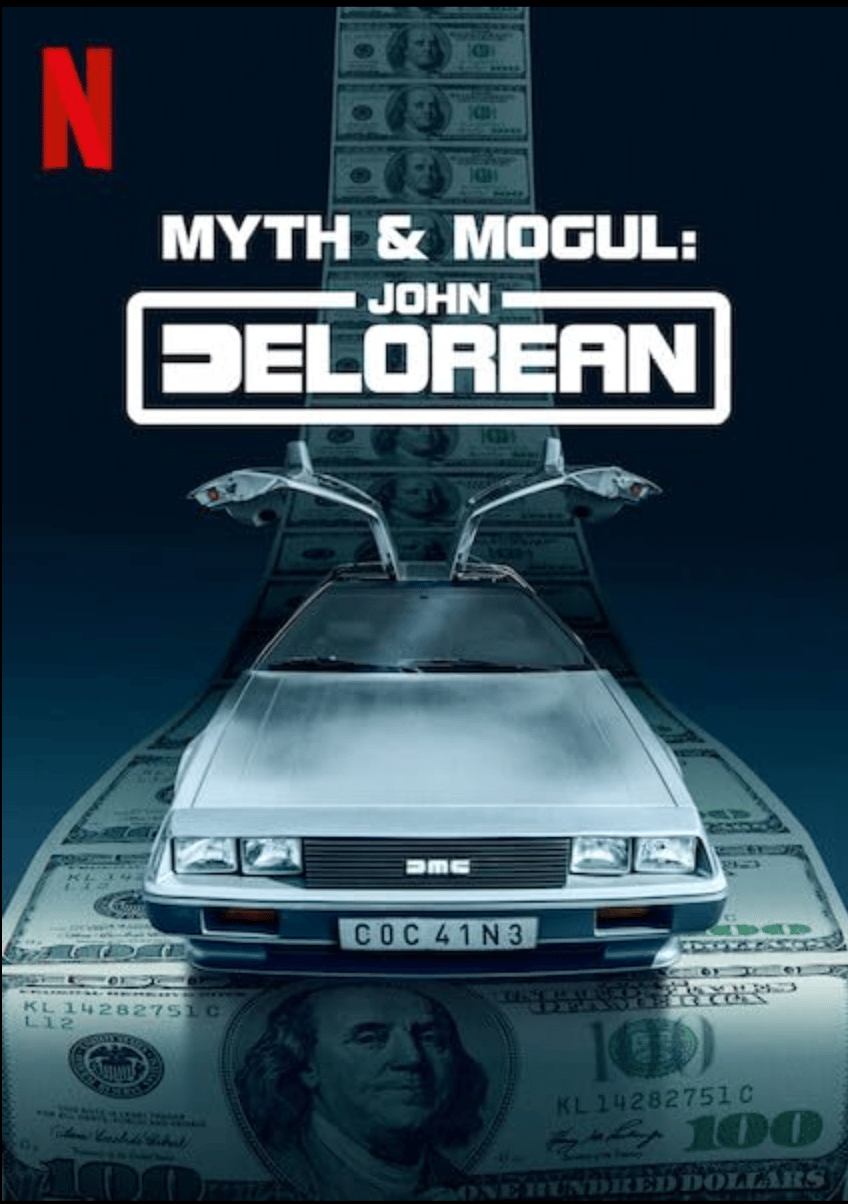
🎬 Myth & Mogul: John DeLorean (Netflix)
An absorbing docuseries that peels back the layers on John DeLorean, the car industry’s rock star turned pariah. It covers everything from building the DeLorean DMC-12 (yes, the Back to the Future car) to scandal, ambition and betrayal. A masterclass in branding, vision, and how charisma can both build and destroy a legacy. (Thanks for the recommendation, J.Row.)
👉 Watch the trailer here