Design Ideas and Random Thoughts
Read Time: 3-4 min
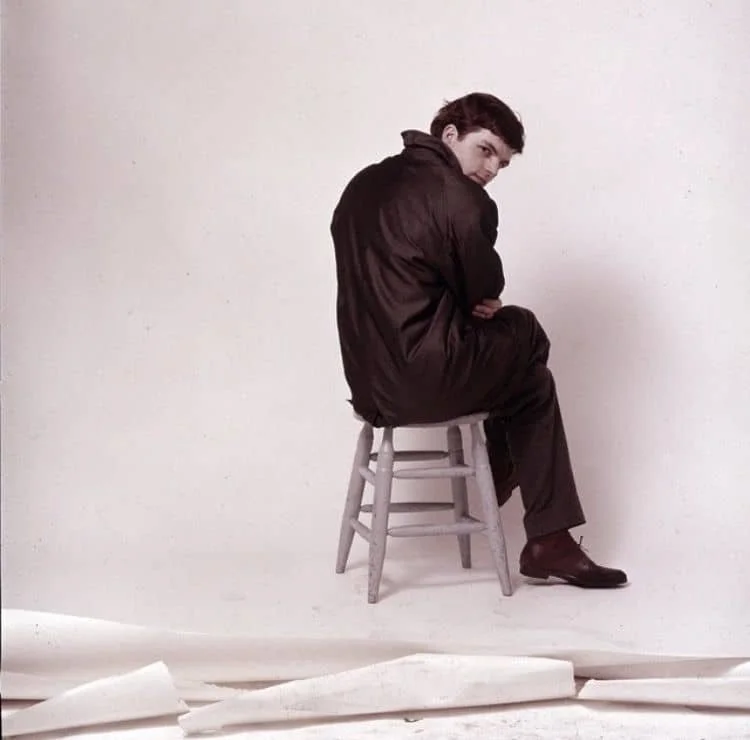
Portrait of Guy Bourdin
Quote of the week:
“The product is an excuse for telling a story.” - Guy Bourdin
Made me think:
🧠 Pareidolia - From the Greek para (“beside” or “wrong”) and eidolon (“image” or “form”), pareidolia is the psychological phenomenon where people perceive familiar patterns, like faces or objects, in random or ambiguous stimuli. It’s why we might see shapes in clouds, faces in shadows, or hidden figures in abstract compositions.
In design and photography, pareidolia can be a powerful tool: subtle patterns or forms can subconsciously draw viewers’ attention, evoke emotion, or create a sense of narrative in otherwise abstract imagery. It’s something Bourdin often used in his surreal, staged compositions.
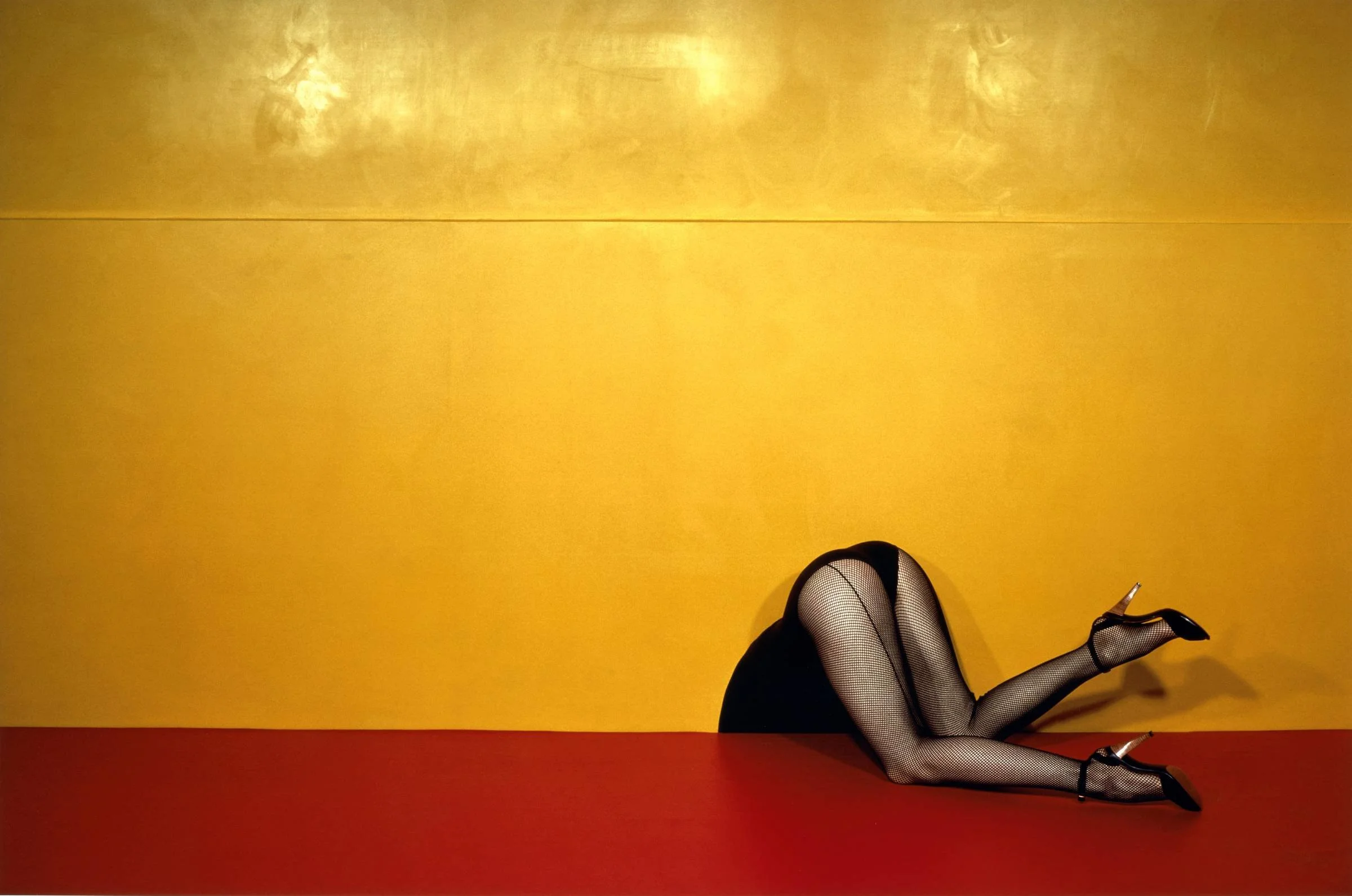
Photograph: Guy Bourdin © The Guy Bourdin Estate
The King of Footwear Photography: Guy Bourdin
Guy Bourdin (1928–1991) was a pioneering French fashion photographer whose work transformed how shoes, clothing and accessories were presented in visual media. A protégé of Man Ray, Bourdin began publishing in Vogue Paris in 1955 and also contributed to Harper’s Bazaar, Vogue and Elle, among others. He shot iconic campaigns for Chanel, Bloomingdale’s and Pentax, and developed a long-term collaboration with shoe designer Charles Jourdan between 1967 and 1981.
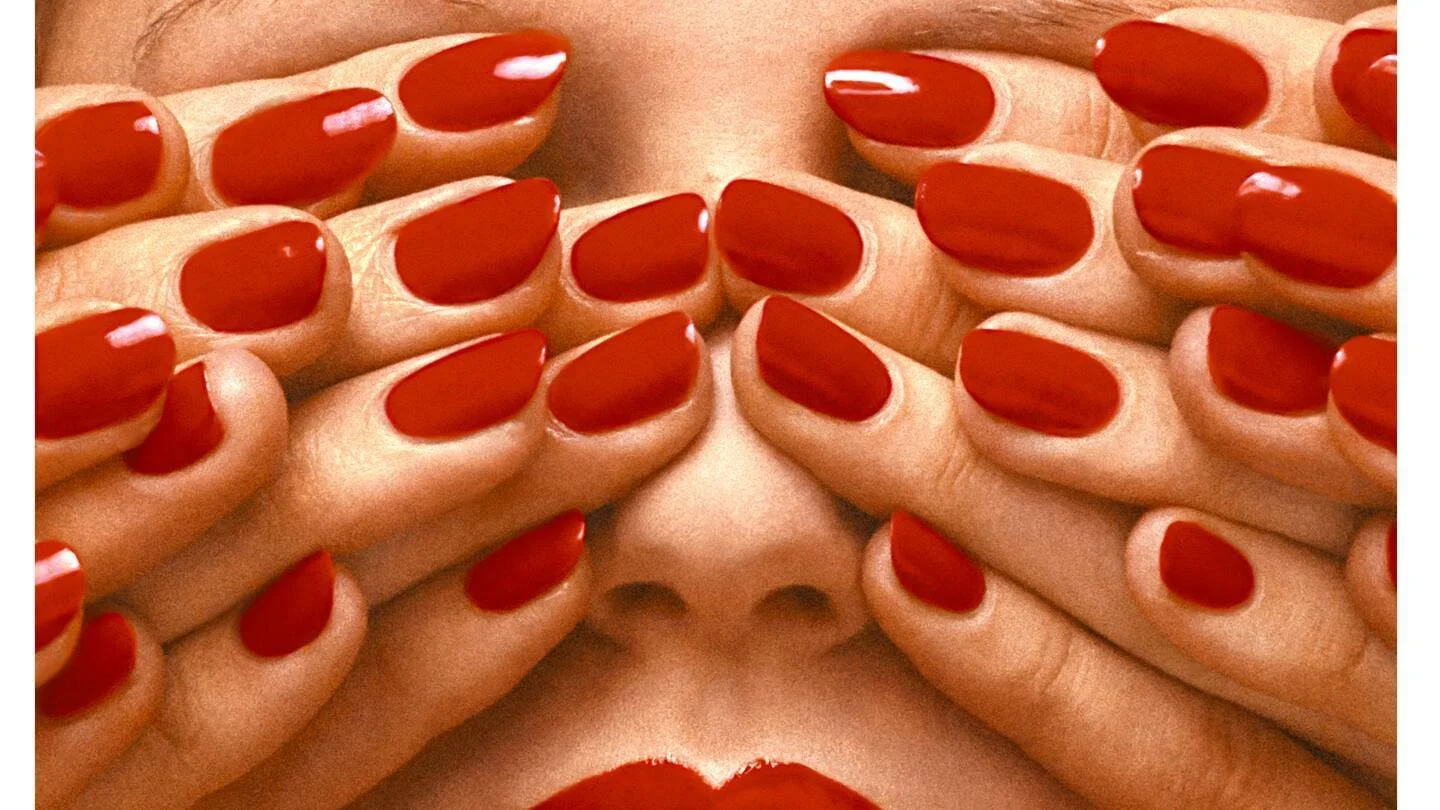
Photograph: Guy Bourdin © The Guy Bourdin Estate
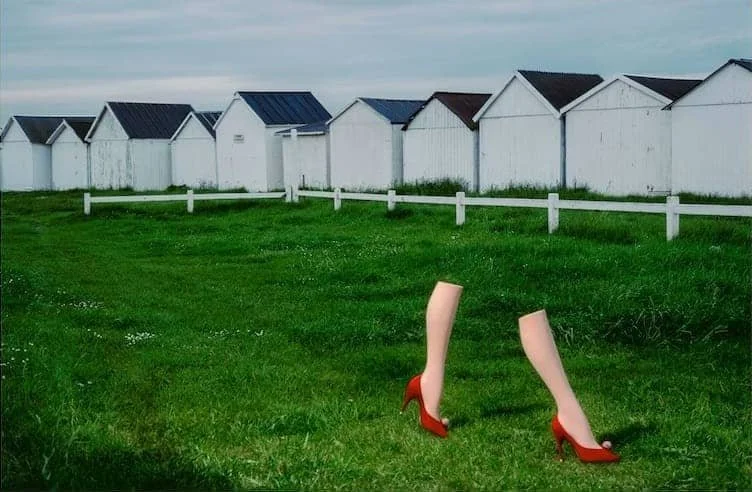
Photograph: Guy Bourdin © The Guy Bourdin Estate
Bourdin’s images are celebrated for their surreal, cinematic quality, rich colour saturation, and bold compositions that often told provocative, mysterious narratives. He was instrumental in shifting fashion photography from straightforward presentation to storytelling, where the product became part of a larger, captivating visual world.
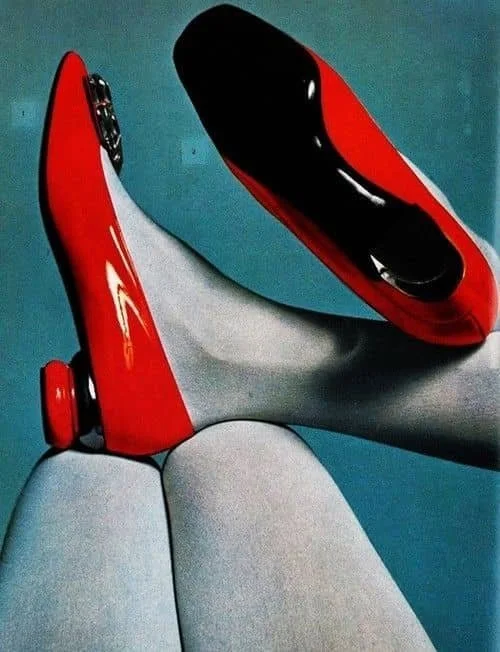
Photograph: Guy Bourdin © The Guy Bourdin Estate
His work is held in major institutions, including Tate (London), MoMA (New York), the San Francisco Museum of Modern Art and the Getty Museum. In 2003, the Victoria and Albert Museum in London held the first retrospective of his career, which later toured to the National Gallery of Victoria in Melbourne and the Jeu de Paume in Paris. Bourdin’s influence resonates across contemporary photography, making him a lasting inspiration for fashion and product imagery. Not bad for a former military aerial photographer.
Thanks for introducing me all those years ago, J.G!
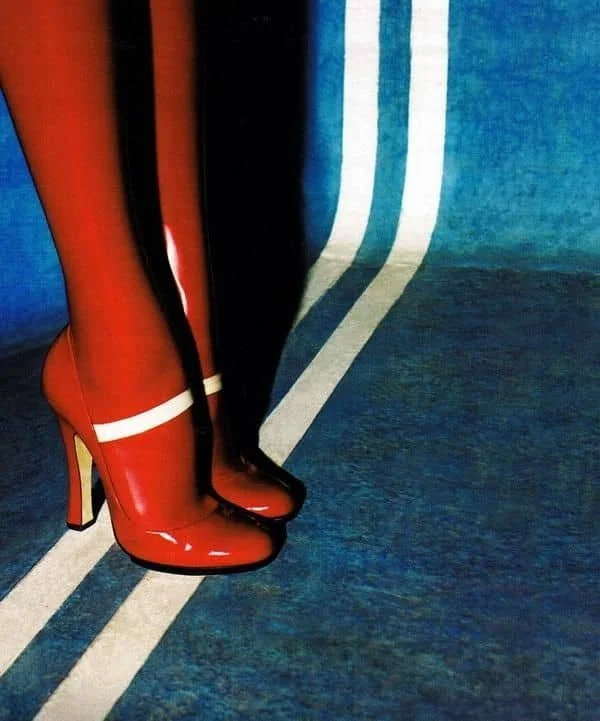
Photograph: Guy Bourdin © The Guy Bourdin Estate
Question to Ponder:
When photographing or designing a product, how can you craft an image where the object itself becomes a storyteller, evoking curiosity, emotion or narrative, without relying solely on its obvious features? How can subtle details, composition or context transform a simple object into a visual experience that lingers in the viewer’s mind?
My Recommends this week:
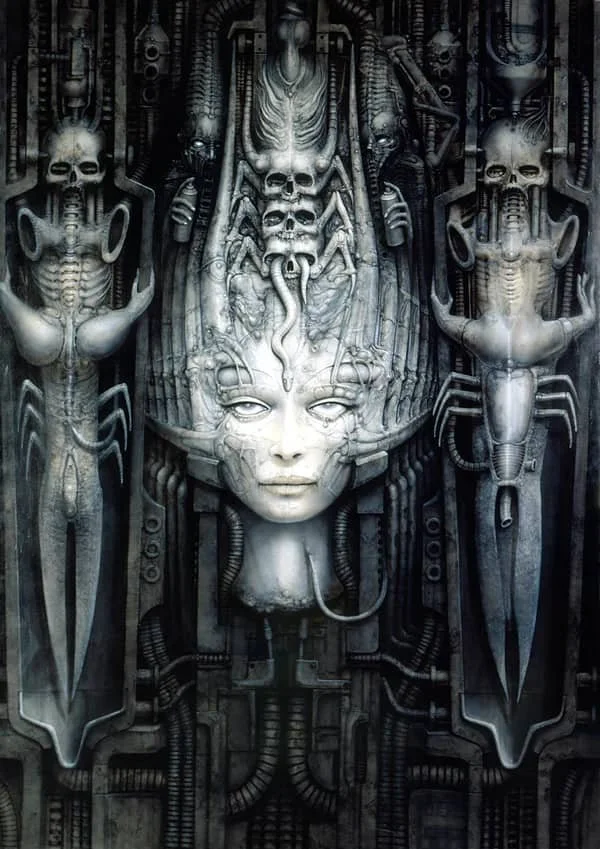
Artwork: H.R. Giger © HR Giger Estate
🎬 H.R. Giger, the Monster Maker
If Guy Bourdin invented surreal glamour, H.R. Giger created dark, unforgettable worlds. Known as the “Monster Maker,” Giger designed the iconic biomechanical creature and environments for Alien (1979), one of my all-time favourite films, as well as concept art for Alejandro Jodorowsky’s unmade Dune. His eerie, futuristic vision continues to influence design, art and cinema decades later. (I’d love to visit his museum in Switzerland.)
📚 My H.R. Giger art book, beautifully eerie and unsettling: here
🎨 Check out some examples of his best work here