Prince's Shoes, Enclothed Cognition and the 3,000 Pairs Nobody Was Meant to See
Design Ideas and Random Thoughts
Read Time: 4 min
Quote of the week:
"A strong spirit transcends rules." Prince Rogers Nelson (1958-2016)
Made me think:
🧠 Enclothed Cognition — A term coined by psychologists Hajo Adam and Adam Galinsky in 2012, describing how the clothes we wear physically alter our psychological state and performance, not just how others perceive us, but how we think and move.
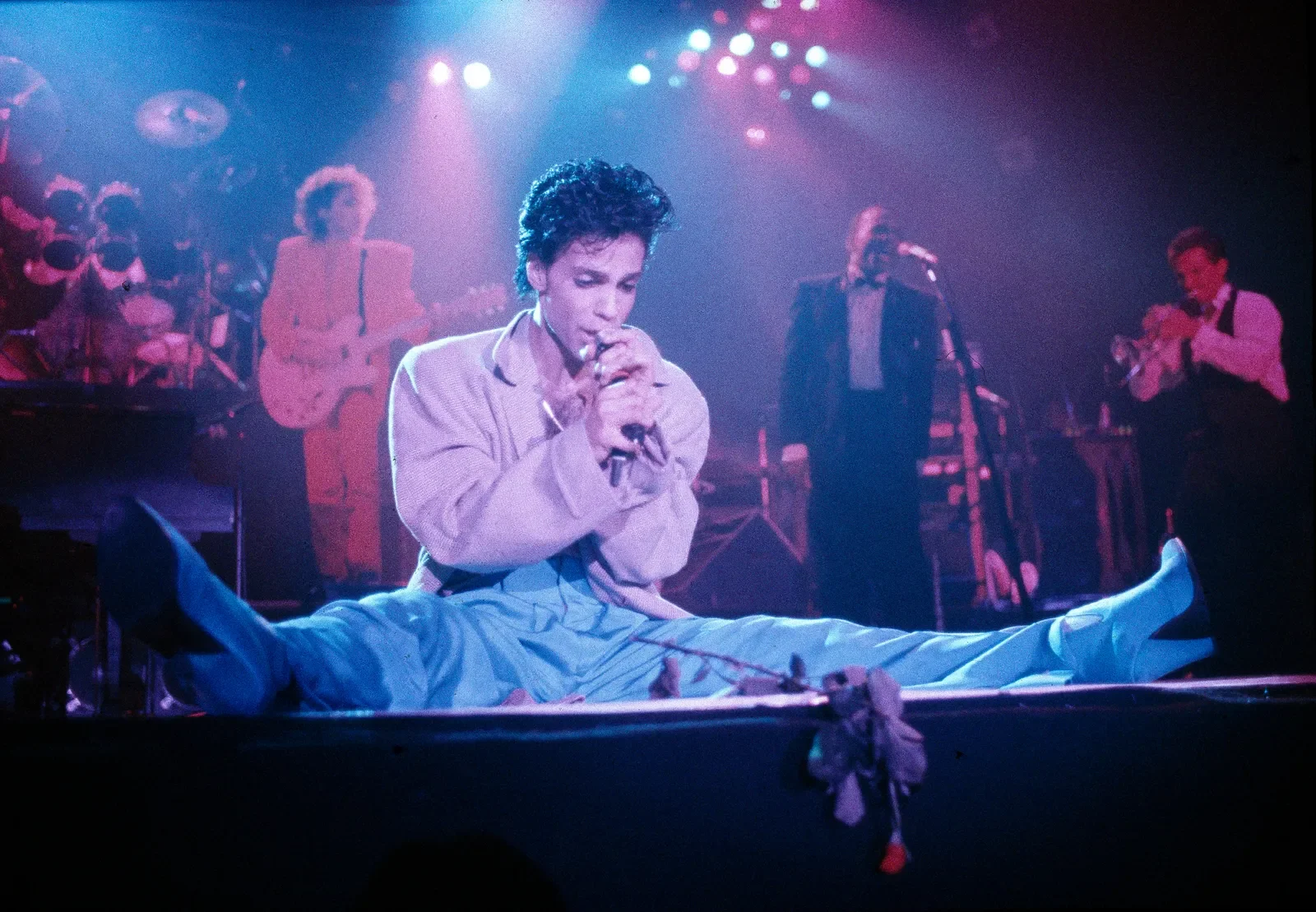
Prince performing
The 3,000 Pairs Nobody Was Meant to See.
Ten years ago this month, Prince Rogers Nelson died at Paisley Park, his home and recording compound in Chanhassen, Minnesota. He was 57. When his estate was opened and catalogued, among the unreleased music, the purple furniture and the concert hall that had never been used by anyone else, they found shoes. More than 1,200 archived pairs, with a further 900 still in storage. Over 3,000 custom pairs in total. Almost all of them heels.
Prince stood 5'3". He wore a size 7. He never, in his adult life, wore a flat shoe if he could avoid it. His heels were not a stage affectation he slipped off in the wings. They were his default state.
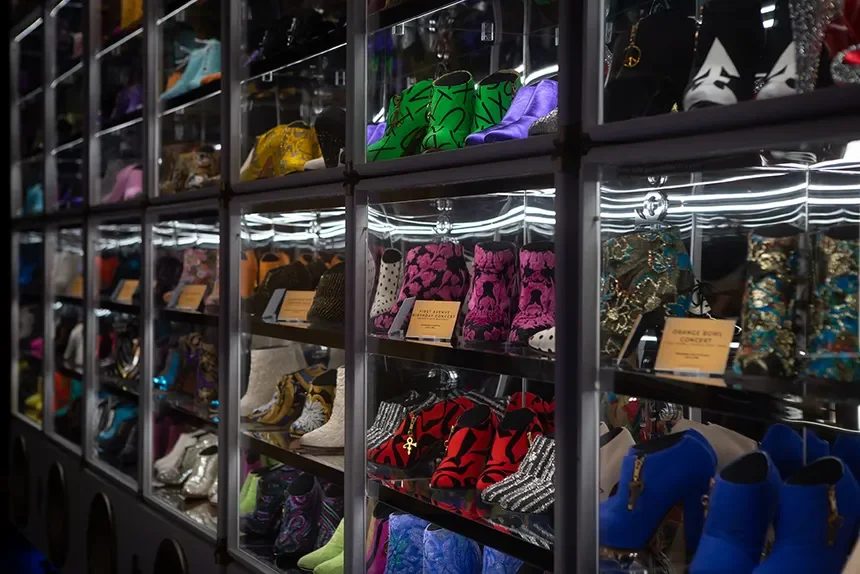
A fraction of Prince’s collection on display
The shoes were custom made, almost without exception, by a small circle of artisans who worked with Prince for decades. The key names were Cos Kyriacou and Gary Kazanchyan of Andre No. 1 in Los Angeles, alongside others including Willie Rivera, Franco Puccetti and Andre Rostomyan. Between them, these makers produced thousands of pairs, most of which Prince wore once or twice before moving on to the next design.
The construction challenges were real. Prince's performance style involved leaping off pianos, doing the splits, and dancing at full intensity for hours at a time, all on stiletto heels. Standard heel construction would have failed within minutes under that load. The solution was a metal brace bolted between the heel and the outer sole, invisible from the outside but structurally essential. Even so, Kyriacou described watching Prince perform as a test of nerve: "There were moments when my heart was in my mouth. He was a relentless performer."
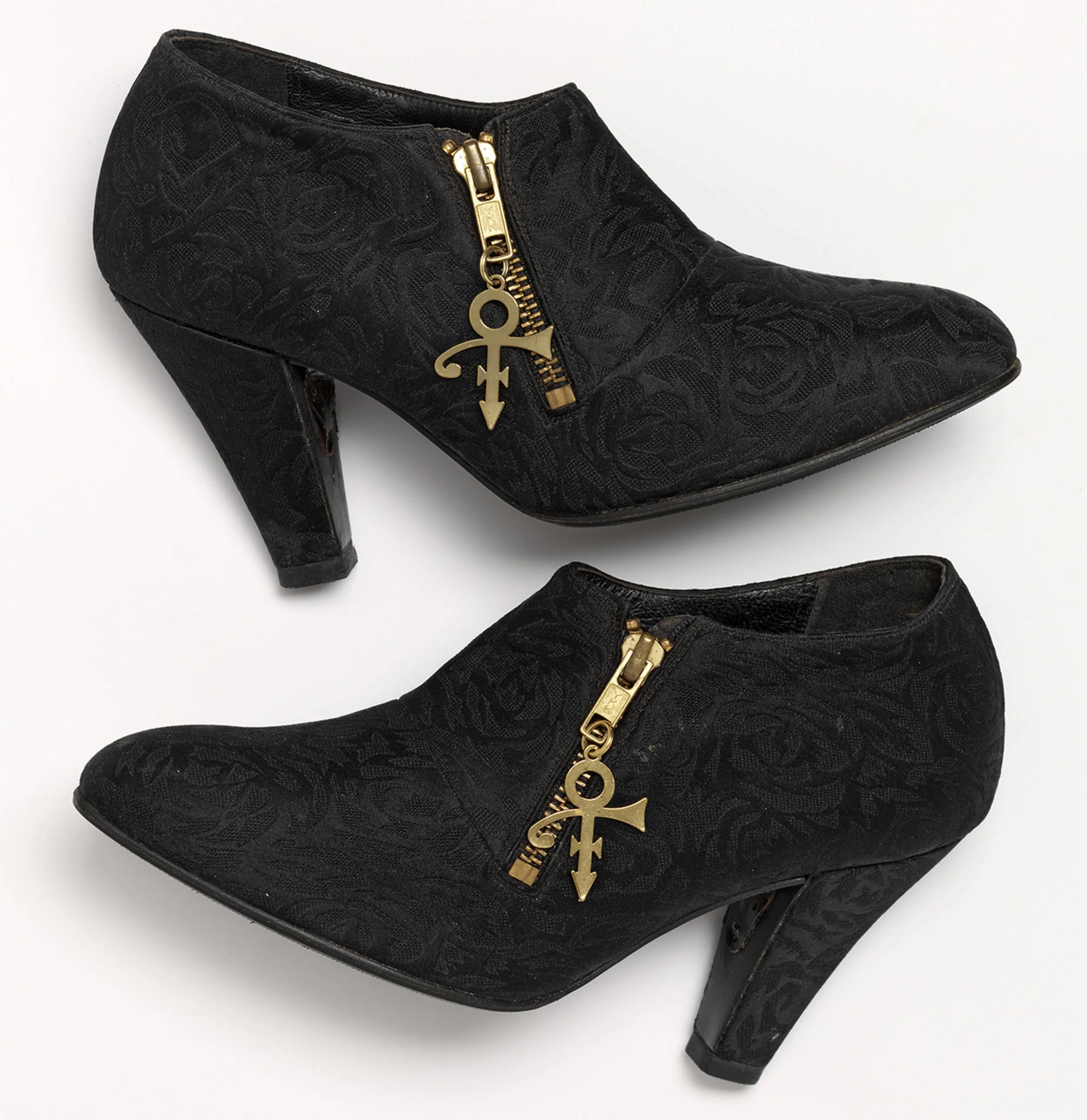
The steel reinforcement visible just under the heel
His outfits were often designed as a single unified piece, shoes included, which meant sourcing fabric by weight rather than by the yard. Shoes were colour-matched, pattern-matched and sometimes made from the same bolt of material as the outfit they accompanied. The result was a total visual language, head to sole, that no stylist could have assembled from existing pieces. It had to be built from scratch, every time.
Some of the most extraordinary pairs are now on display at Paisley Park as part of The Beautiful Collection. The hand-painted cloud boots from the Raspberry Beret video. The light-up Lucite platform sneakers from Coachella 2008. The gem-studded heels worn to his Rock and Roll Hall of Fame induction. And the platform roller skates, discovered posthumously in a custom-made briefcase, that no one outside his inner circle had known existed.
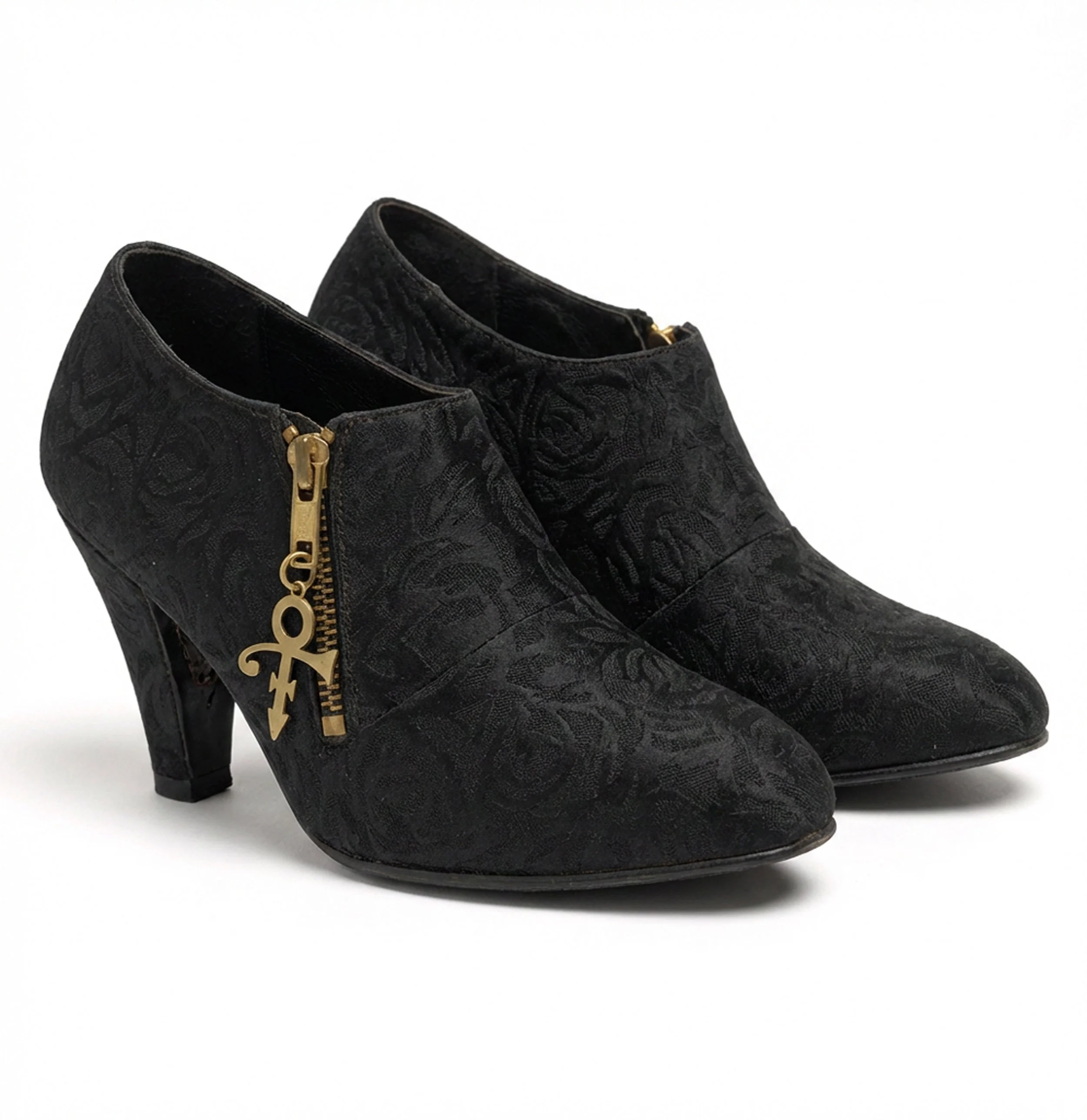
A pair of his floral black satin heels, dated 1994 and featuring the Love Symbol No. 2 on the zipper, is now in the permanent collection of the V&A's Theatre and Performance gallery in London, alongside outfits worn by Elton John, Mick Jagger, and the Beatles.

The Raspberry Beret heels (1986)
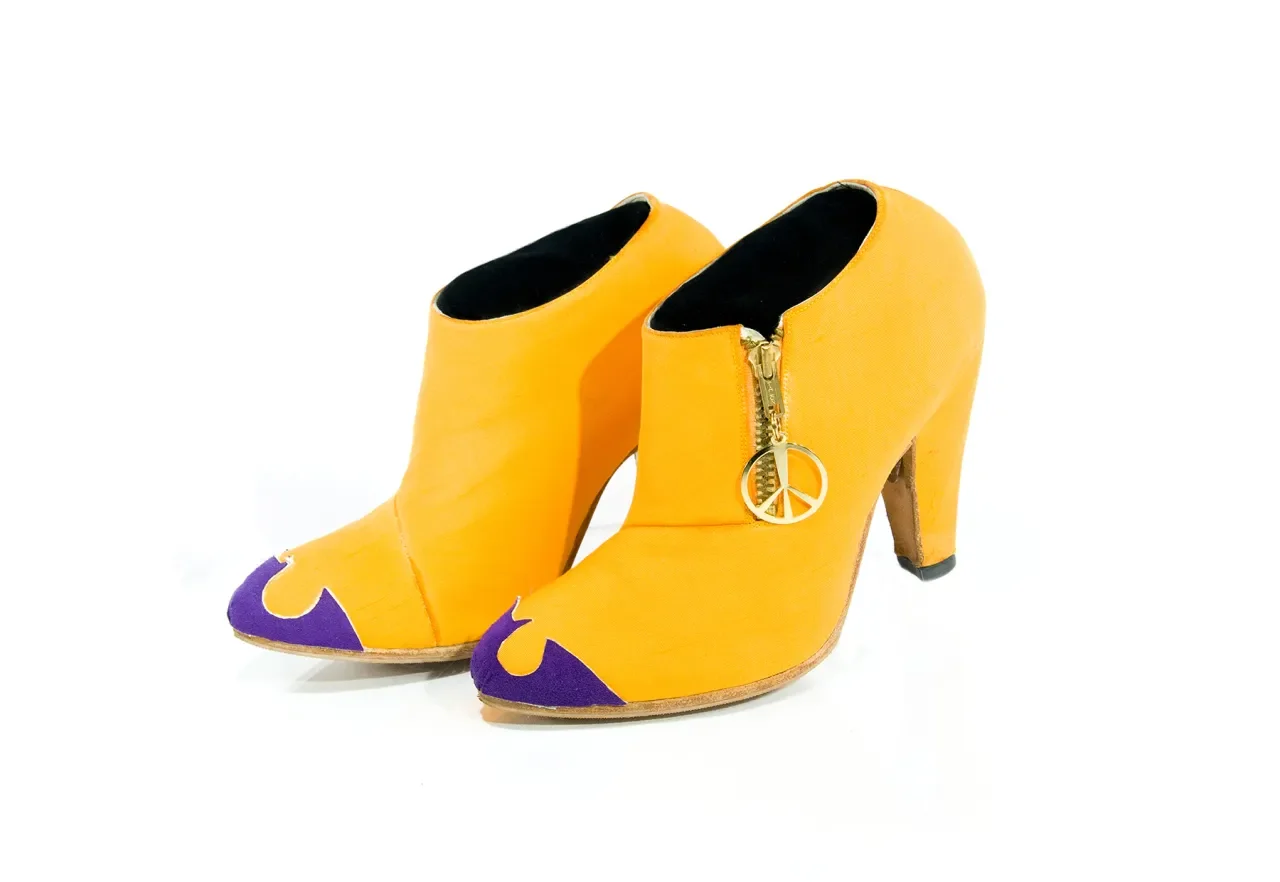
Prince's Heels for the Batman movie Soundtrack
What is striking, from a design perspective, is not the extravagance but the discipline. Prince's footwear was not random. Every pair served the same function: to extend his physical presence upward, to hold his body in a posture of total readiness, and to make clear, without a word, that the rules applied to everyone else. He took a category of footwear culturally coded as feminine and wore it so completely and so consistently that it simply became his. Not provocative. Just true.
His shoemakers said he almost never gave a brief. He would describe a feeling, a colour, an energy. The technical problem-solving was left entirely to them. For designers working at that level, that is either the dream client or the most demanding one imaginable.
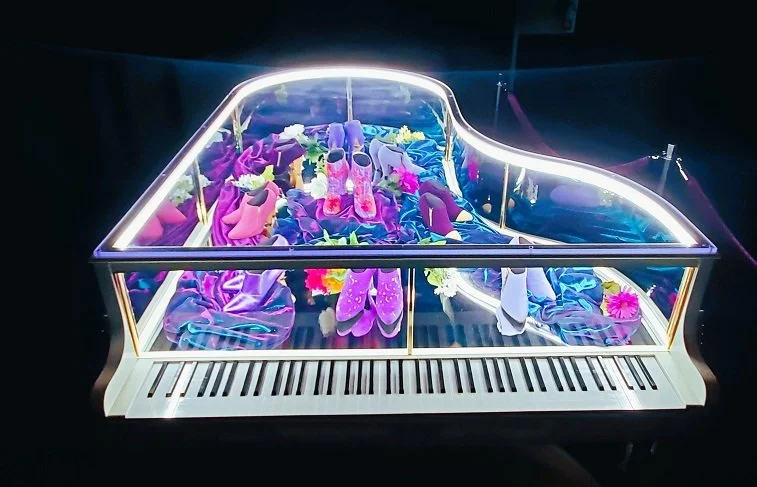
A display of some of Prince’s shoes at his estate.
Question to ponder:
Prince wore heels not to perform but to exist. The shoes came first. The stage persona grew from the ground up. Most designers think about footwear as the final decision in an outfit. Prince treated it as the first.
If the shoes define the posture, and the posture defines the performance, what does that tell you about how footwear actually functions in the construction of identity? And how often do you design for that, rather than designing around it?
My Recommends this week
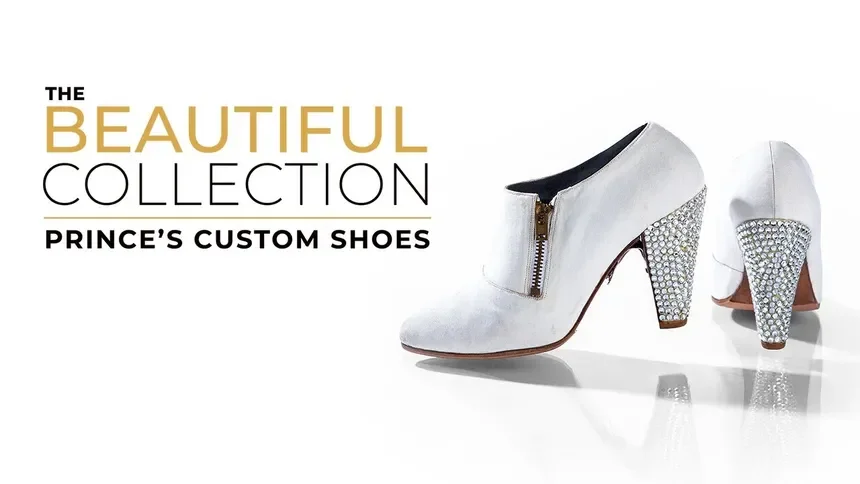
🎬 Inside Prince's Legendary Shoe Collection (YouTube, 2021) — A short documentary shot at the Paisley Park Beautiful Collection exhibition. Close-up footage of the actual shoes, interviews with his makers, and enough detail to keep any footwear designer watching twice. Free on YouTube.
👉 Watch it here

📐 Sole Design Academy — Run by Defne Yalkut, who started her career at Vibram in 2004 and has spent twenty years teaching the one part of footwear design that almost nobody covers properly. If you design or develop footwear at any level, this is worth bookmarking. The YouTube videos alone are worth your time.
👉 Check it out here
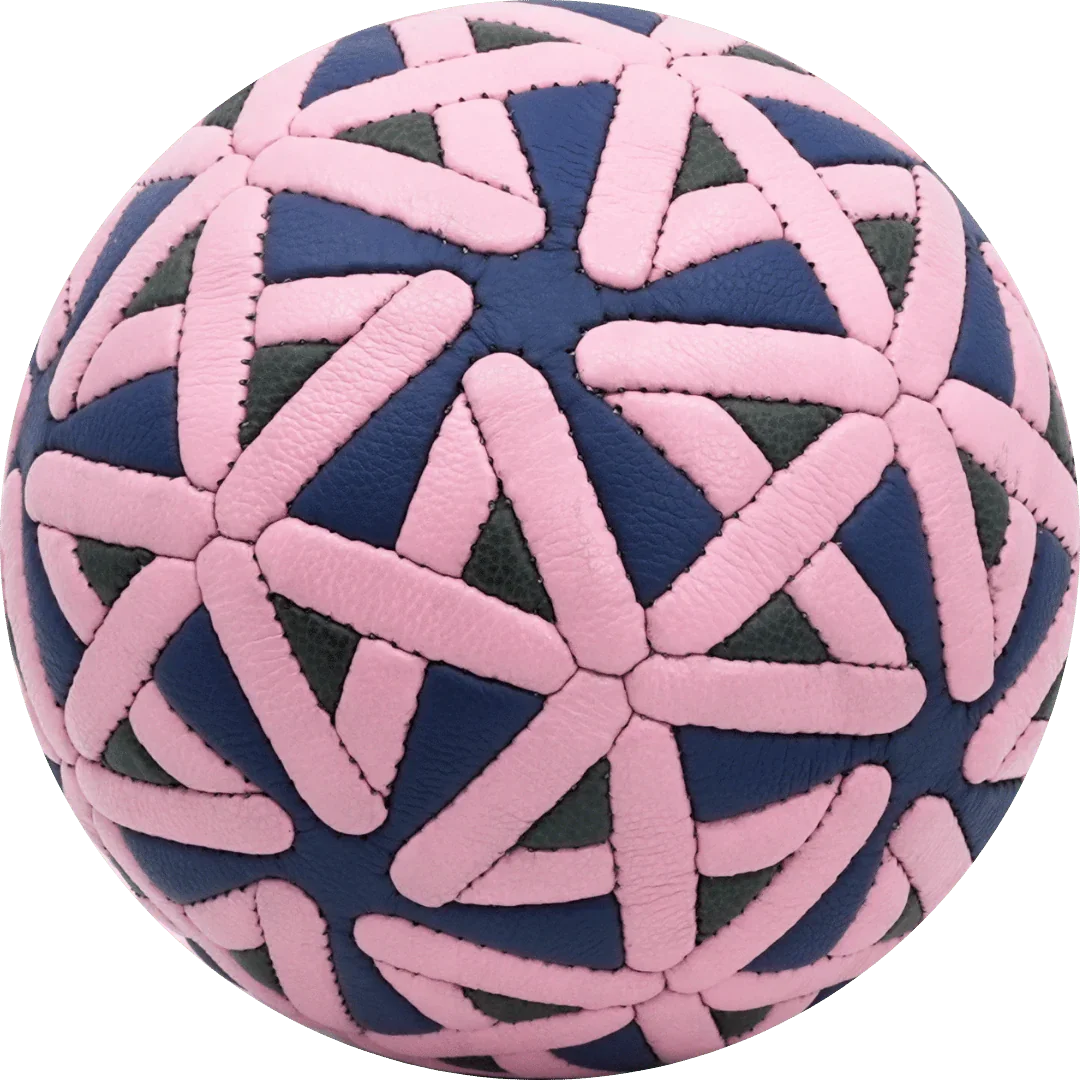
⚽ Jon-Paul Wheatley (@jonpaulsballs on Instagram) — A British product designer and leatherworker who makes footballs by hand from whatever he can find. Old Doc Martens, Predator boots, suit jackets. Each one a piece of craft storytelling. He's since worked with FIFA, Adidas and Burberry. One of the most genuinely obsessive makers on the internet.
👉 Check it out here
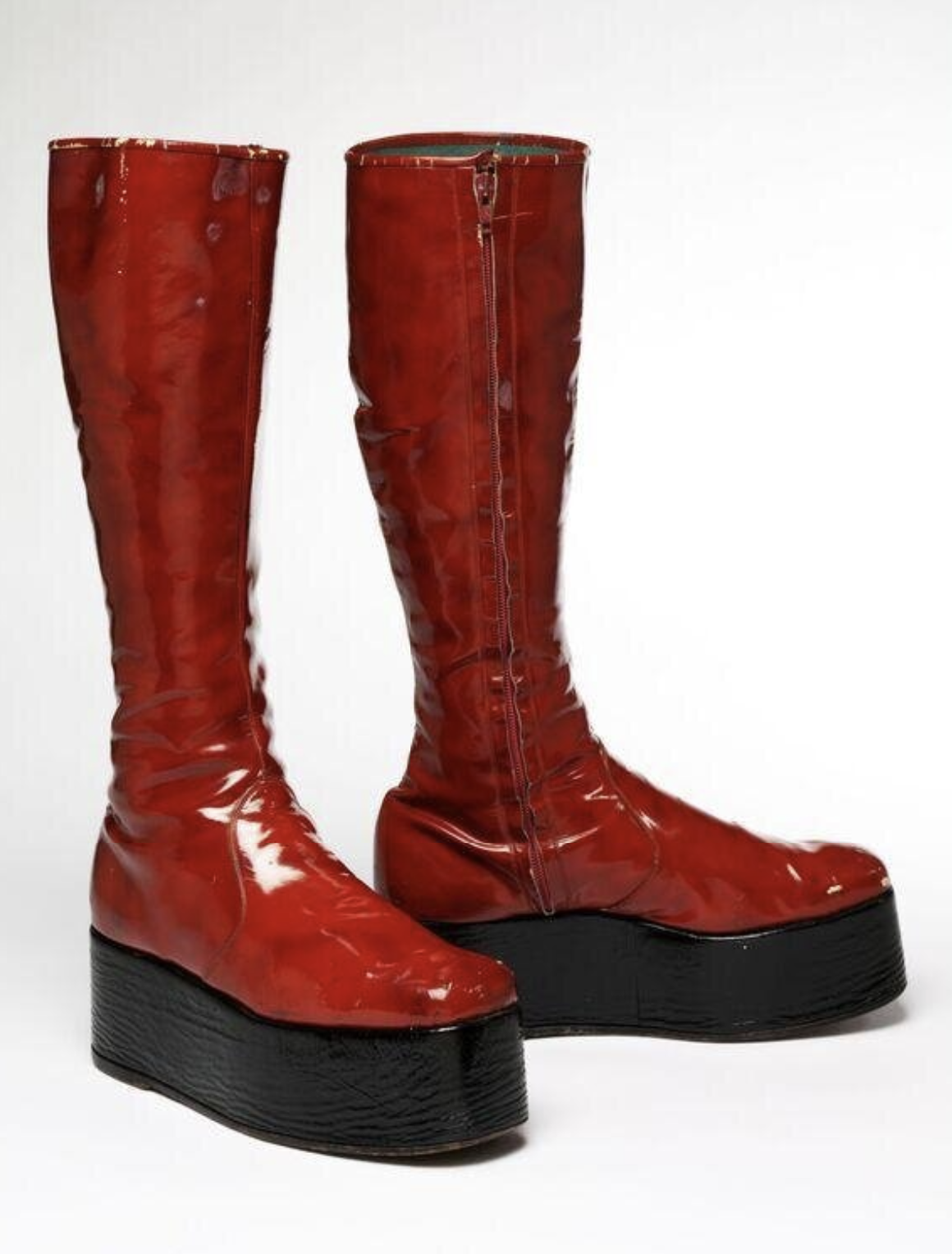
👠 If you liked this... You'll enjoy the story of David Bowie's Ziggy Stardust red platform boots, another pair of theatrical heels that ended up in the V&A.
👉 Check it out here
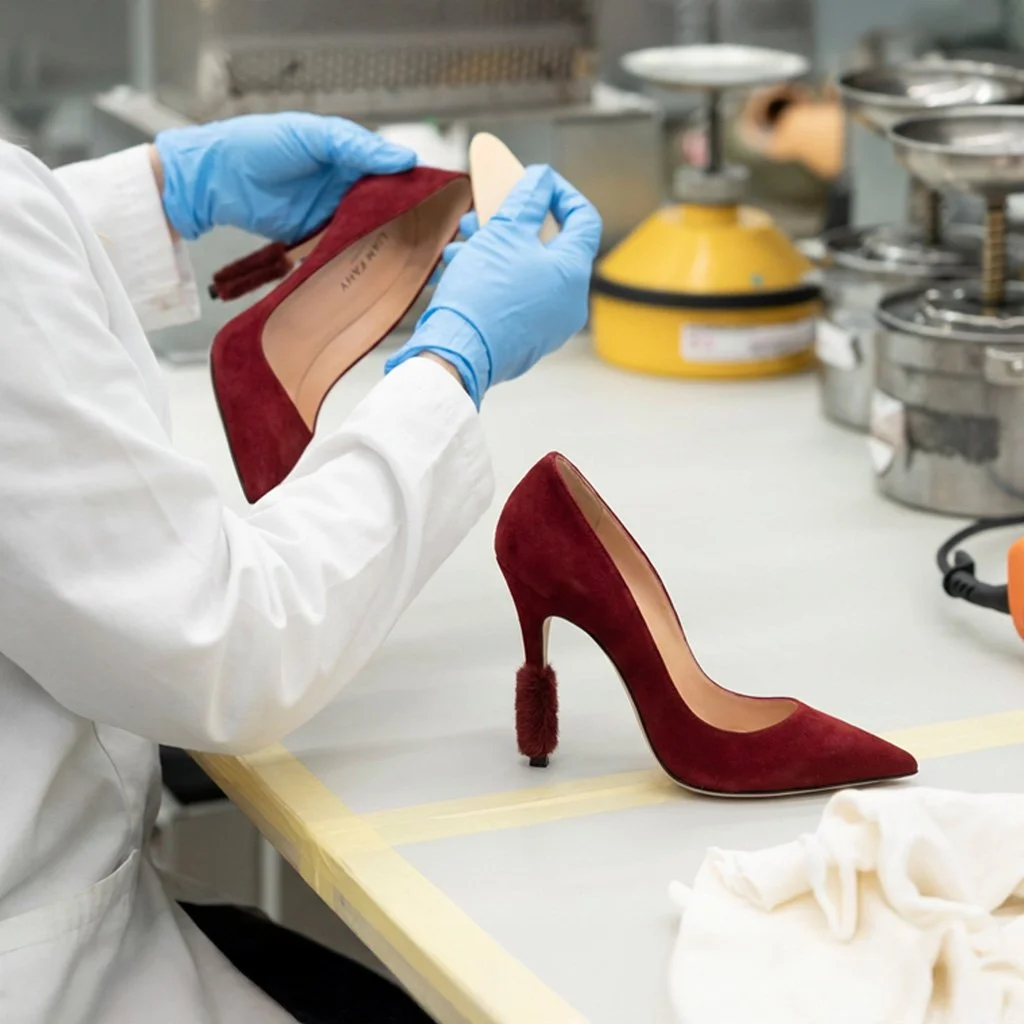
👟 Footwear Prototypes For a deep dive into innovative footwear design where I share original concepts, explore unique shoe materials, and discuss design strategy—all curated for anyone passionate about shoemaking, luxury design, and seeing fresh stuff, check out & follow my LinkedIn feed