Design Ideas and Random Thoughts
Read Time: 6 min
Quote of the week:
"Attention is the rarest and purest form of generosity." Simone Weil Letter to the poet Joë Bousquet (April 13, 1942)
Made me think:
🧠 The MAYA Principle - Raymond Loewy, the French-born designer behind the Greyhound bus, the Shell logo and the Air Force One livery, ran his whole career on one rule. MAYA: Most Advanced Yet Acceptable. People are drawn to the new but wary of the unfamiliar, so the design that wins is the one that pushes as far forward as the public is ready to follow, and not one step further. Loewy knew a thing or two about space as well. From 1967 to 1973 NASA retained him as a habitability consultant on Skylab, where his most famous contribution was insisting the astronauts got a window.
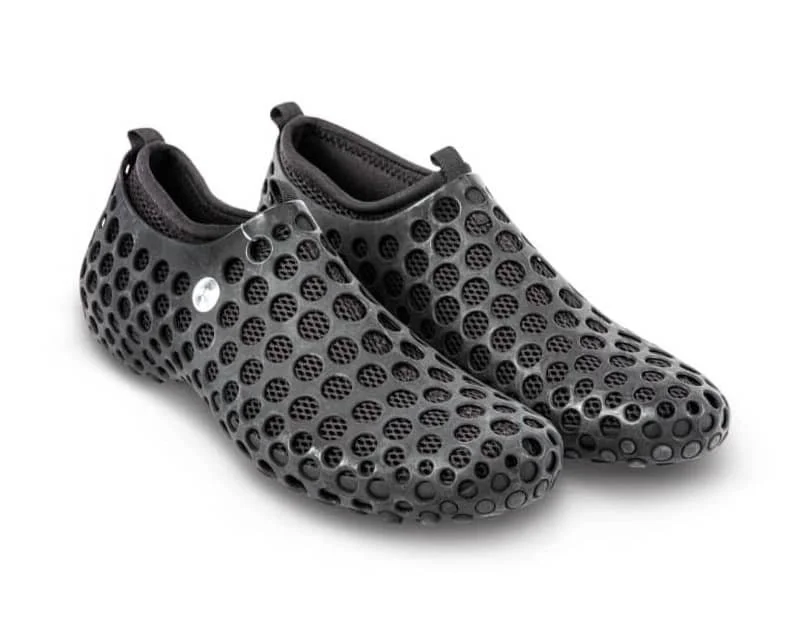
The Little Star: Marc Newson’s Space Sneaker That Couldn’t Be Stitched.
In 2004, if you wanted to make a trainer, you made it more or less the way trainers had been made for a century. Cut panels from a roll. Stitch them into an upper. Pull it over a last. Cement on a sole. Then an industrial designer from Sydney turned up at Nike with a shoe that had no upper, no stitching, no last and almost no glue. Nike’s own CEO later admitted it simply could not have been made with traditional cut-and-sew methods.
It was called the Zvezdochka. Most people still can’t pronounce it.
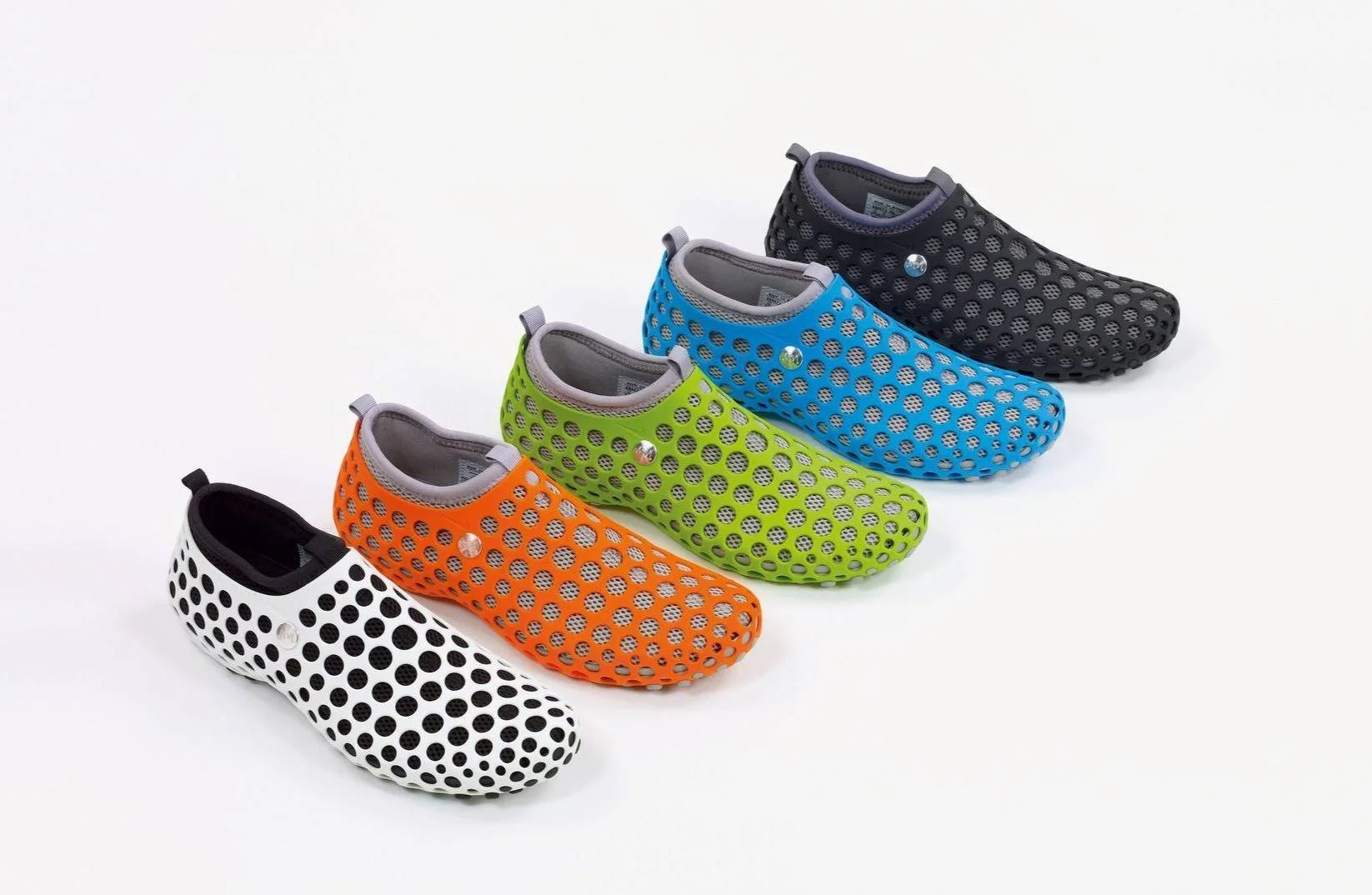
The original colours. Credit: Marc Newson Ltd
The designer. Marc Newson was born in Sydney in 1963 and studied jewellery and sculpture, not product design. By 25 he had made the Lockheed Lounge, a riveted aluminium chaise that has gone on to set world auction records for a living designer, selling for £2.4 million at Phillips in 2015. He worked out of Tokyo and Paris before setting up his London studio in 1997, and by 2004 he had co-founded the watch brand Ikepod and designed the 021C concept car for Ford. Ten years after the Zvezdochka he joined Apple, and in 2019 he co-founded LoveFrom with Jony Ive. He doesn’t design shoes for a living. That turned out to be the point.
The man who asked. The story starts in 2000, when Nike’s Mark Parker approached Newson personally about working together. Parker was no ordinary executive. He joined Nike in 1979 as a footwear designer and would become CEO in 2006. The pair batted around sunglasses and bags before landing on the obvious answer: a shoe.
The space bit. Around the same time, the Russian space agency invited Newson to Baikonur, the launch site in Kazakhstan where Gagarin, and every Soviet cosmonaut after him, lifted off. He went three times, just as the International Space Station was getting up and running. What he noticed was simple. In orbit, the crew floated around in socks. On the treadmill, they strapped on trainers. Two pieces of footwear for two jobs. Parker later said Newson had been inspired by photos of cosmonauts exercising by jumping off the walls of their spacecraft. Newson wanted one thing that did both: in his words, “something between a shoe and a bootie.”
The plan was to fly it. It never happened. Newson has said the politics of the time made it close to impossible: NASA doesn’t endorse products, the Russian agency does, and that made the whole thing politically challenging. So the space shoe came back down to Earth.
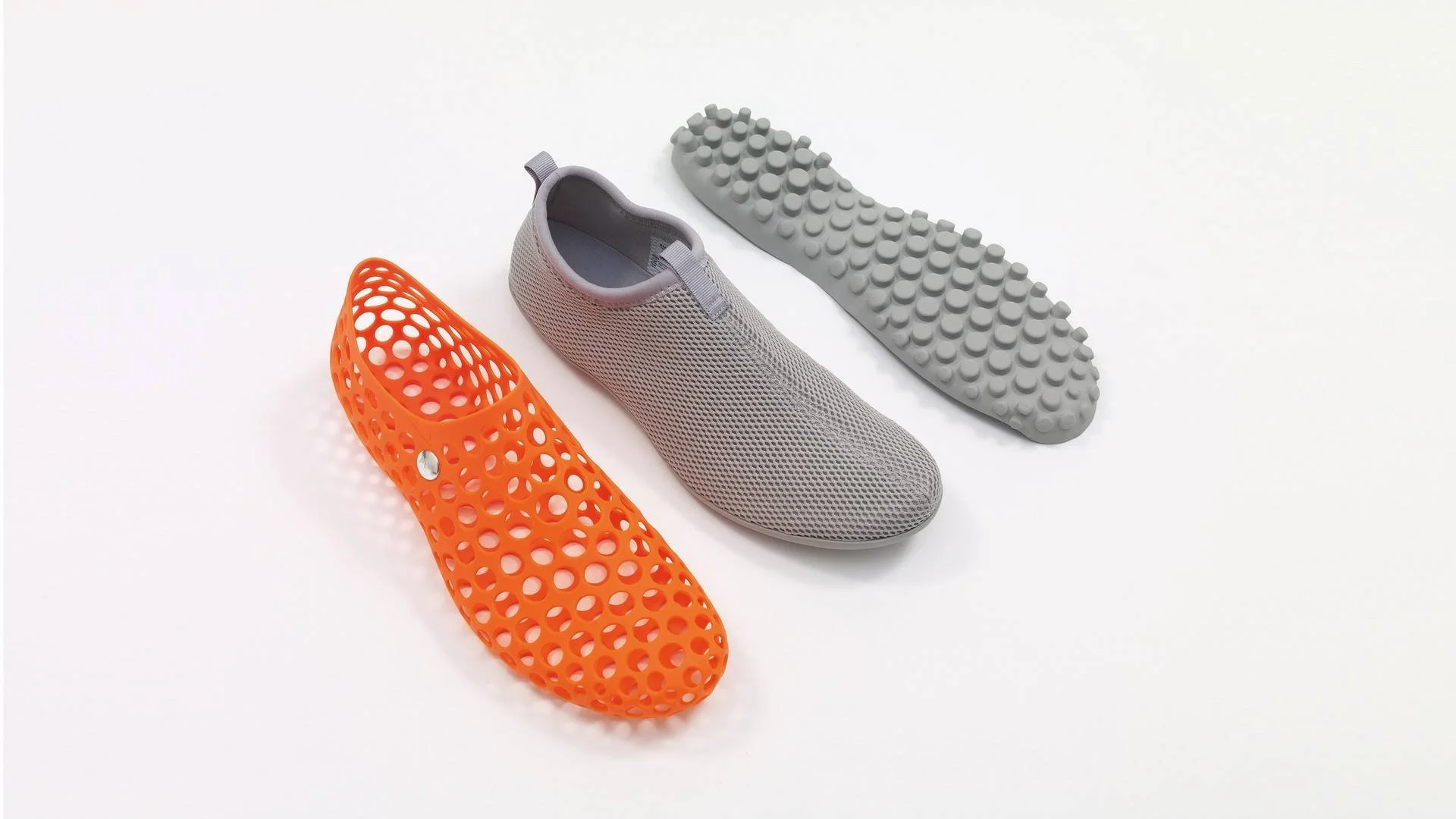
The Zvezdochka broken down: outer cage, inner sleeve and outsole. Credit: Marc Newson Ltd
How it was made. This is the bit for the shoemakers.
The Zvezdochka was modelled entirely on a computer, which Newson’s own studio notes was novel at the time (this seems obvious now with AI and 3D printing, but none of that existed then). No pattern cutting. No paper. Then it was broken into four parts that lock together:
1. The cage. A perforated outer shell injection-moulded in TPU, in one shot, as one piece. Newson compared the holes to alveoli, the tiny air sacs in your lungs. This is the shoe.
2. The outsole. A separate moulded part that snaps into the cage from underneath.
3. The inner sleeve. A flexible, close-fitting bootie that covers the foot and can be worn on its own.
4. The sockliner. With a Nike Zoom Air unit sitting in the heel.
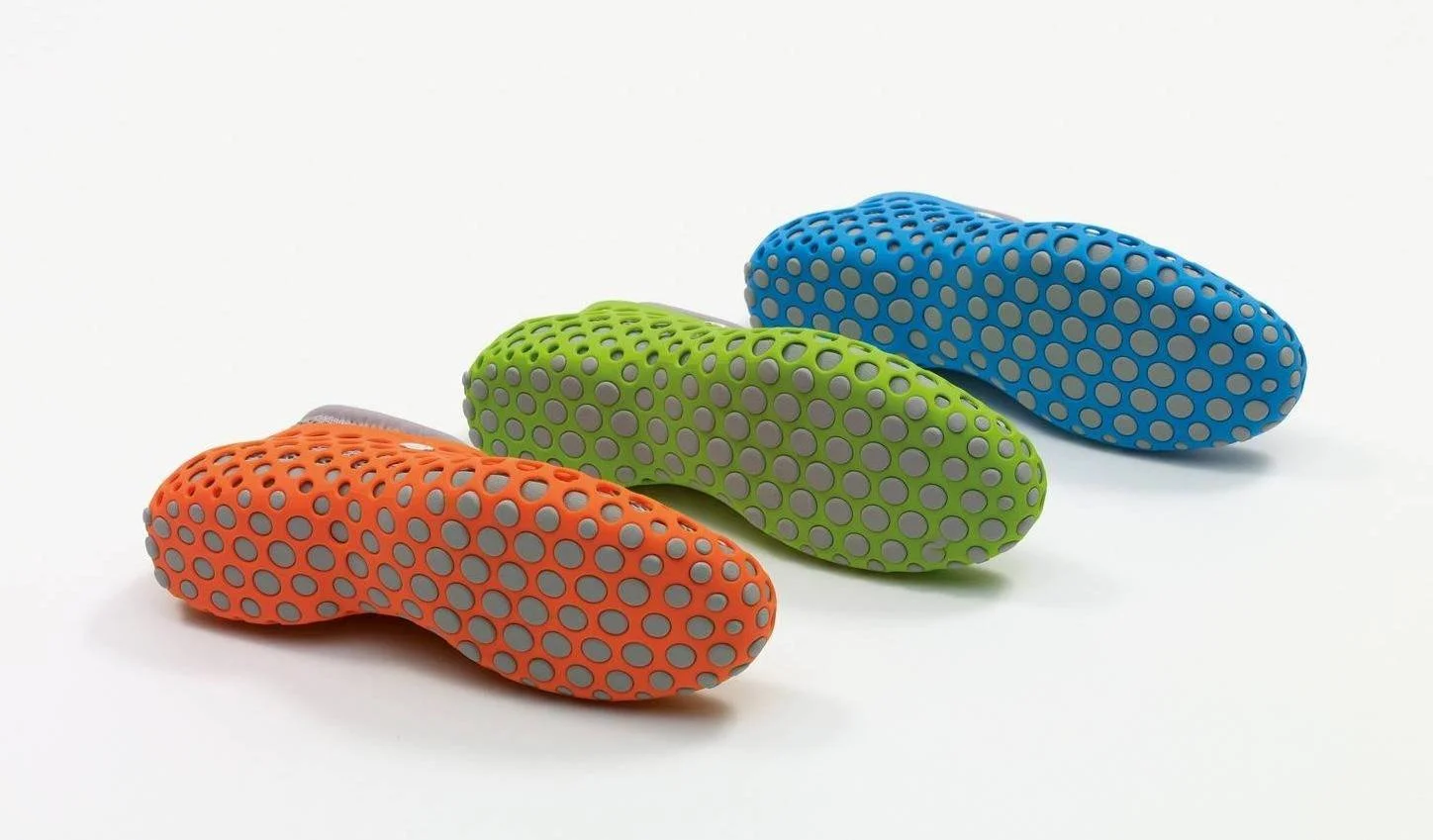
The snap-in outsoles. Credit: Marc Newson Ltd
Everything is held together by friction fit. When the Vitra Design Museum put on the first major Nike exhibition in 2024, curator Glenn Adamson described the Zvezdochka as Nike’s first glueless shoe.
Newson has been honest that it wasn’t easy. The moulds were very complex to manufacture and sizing was a real headache. Anyone who has costed a full size run of injection tooling will feel that one. When the moulded cage is the shoe, you can’t fix fit with a different last or a thicker sockliner. Every size is a tool, and every tool has to be right.
And remember, this is 2004. No 3D printing. Nike Flyknit didn’t arrive until 2012. Some articles today describe the Zvezdochka as 3D printed. It wasn’t. The cage and outsole came out of moulds, not printers, which is exactly what makes it so remarkable.
Where the name came from. Zvezdochka (Звёздочка) means “little star” in Russian. Say it roughly zvyoz-DOTCH-ka. She was a small mongrel who, on 25 March 1961, made one orbit of the Earth aboard Korabl-Sputnik 5 (known in the West as Sputnik 10). It was the final dress rehearsal for human spaceflight. Eighteen days later, Yuri Gagarin flew the same type of spacecraft.
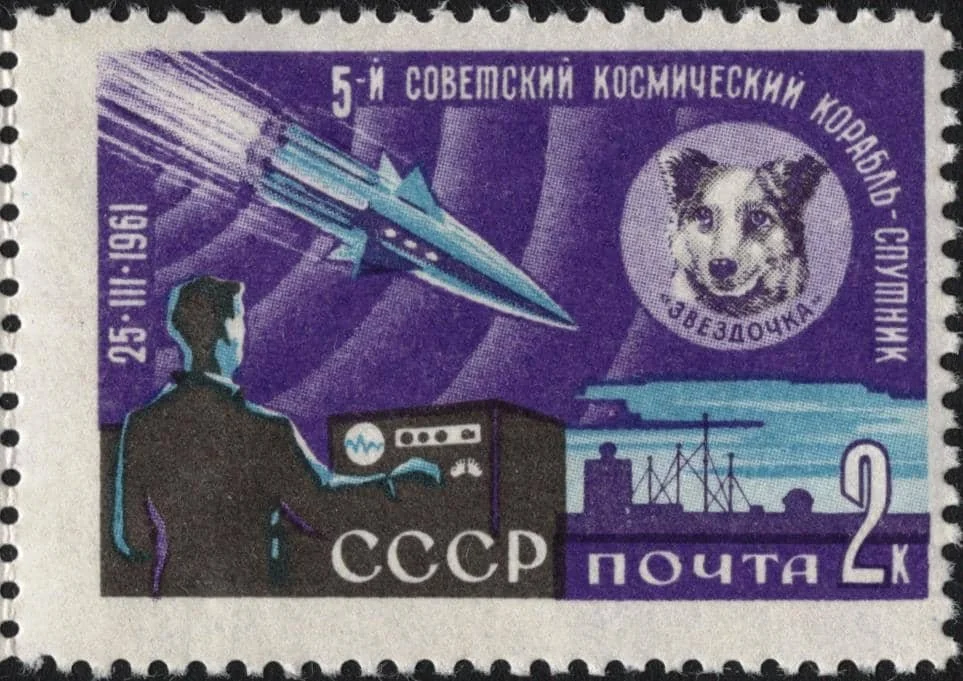
Zvezdochka on a 1961 Soviet stamp.
Some anorak gold here. Her original name was Udacha, meaning “Luck”. The popular story says Gagarin himself suggested renaming her, although Russian space historians are sceptical, since Soviet officials routinely renamed the space dogs for propaganda. She flew alongside a mannequin cosmonaut nicknamed Ivan Ivanovich, who was ejected and parachuted down separately. Locals who found him briefly thought he was a foreign spy. The capsule came down in a snowstorm, and the recovery team didn’t reach it until the next day, by horse-drawn sleigh. Zvezdochka was fine.
So the shoe is named after the last dog to test the ship that carried the first human into space. Not a bad bit of naming.
The release. The Zvezdochka launched in 2004 in five colourways: orange, blue, white, volt and black. Reports put the run at around 140 pairs, retailing at about $300 (some sources say $500). Style number 310641, if you’re hunting. It won a Chicago Athenaeum Good Design Award in 2005, and in July 2005 Berlin’s NORT had the white and black pair on its shelves, right next to the UNDFTD Dunks.
What happened next. For a shoe almost nobody owned, it refused to go away.
2009: Artist Tim Biskup made a glow-in-the-dark version at Parker’s personal request. Ten pairs, friends and family only.
2010: Two new colourways, Grey/Mahogany and Grey/Aegean Blue, taken straight from Newson’s Aquariva speedboat for Riva, released to mark his Transport exhibition at Gagosian in New York.
2014: For the 10th anniversary, Nike reissued all five originals through NikeLab on 29 December. Fast Company pointed out they looked a lot like iPhone 5c cases. Newson had joined Apple a few months earlier.
The same year, Parker named it one of his favourite Nike collaborations of all, and told Dezeen it was an important step in what Nike now called its “manufacturing revolution”. He credited it with paving the way for Flyknit and for how Nike thinks about 3D printing.
Why it still matters. The National Gallery of Victoria in Melbourne has a pair in its permanent collection. The Vitra show that called it Nike’s first glueless shoe is now on at the Museum of Arts and Design in New York. Pharrell’s own black pair turned up in his Joopiter auction. And the things the Zvezdochka was doing in 2004, modular parts, a single moulded material, no adhesives, are the exact things the footwear industry now puts in its sustainability decks.
It just did them twenty years early, to 140 people, with a name nobody could say.
Question to ponder:
Commercially, the Zvezdochka was a footnote. Industrially, it changed how Nike thought about making shoes. Raymond Loewy would say Newson got the balance wrong: too advanced, not acceptable enough. But if he had pulled it back to something the market was ready for, would anything have been learned?
In your own work, who decides where “advanced” stops and “acceptable” starts? And is being too early a failure, or is it the whole job?
My Recommends this week:
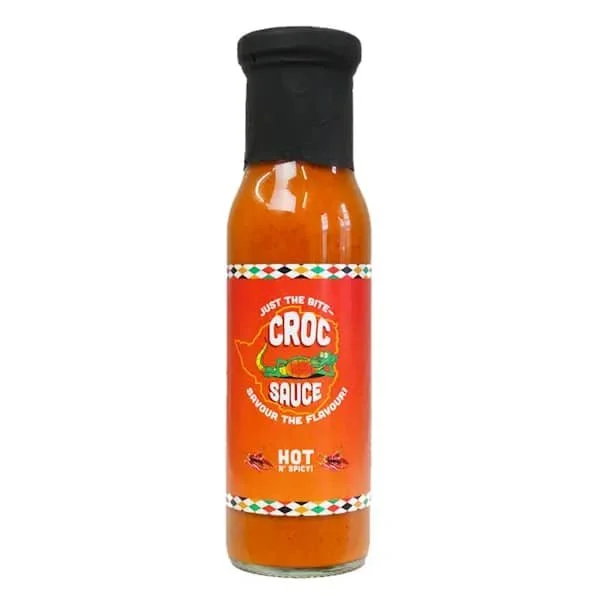
🌶️ Croc Sauce: I recently went to Zimbabwe, but strangely discovered this sauce back in England. Thanks J for the intro. A Zimbabwean family recipe in four flavours. Small batches, so grab it when you see it.
👉 Check it out here
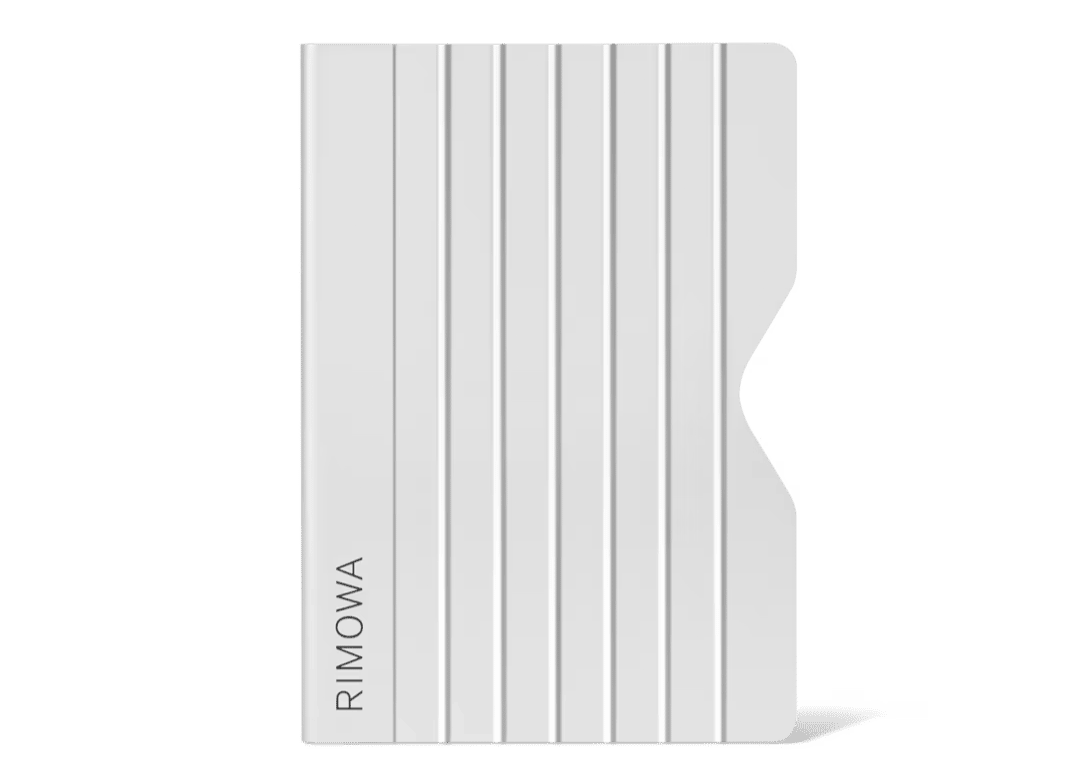
🛂 RIMOWA Passport Holder: My passport is always getting bashed around, so I love how solid and compact this is. Grooved aluminium, just like their suitcases, with RFID shielding built in.
👉 Check it out here
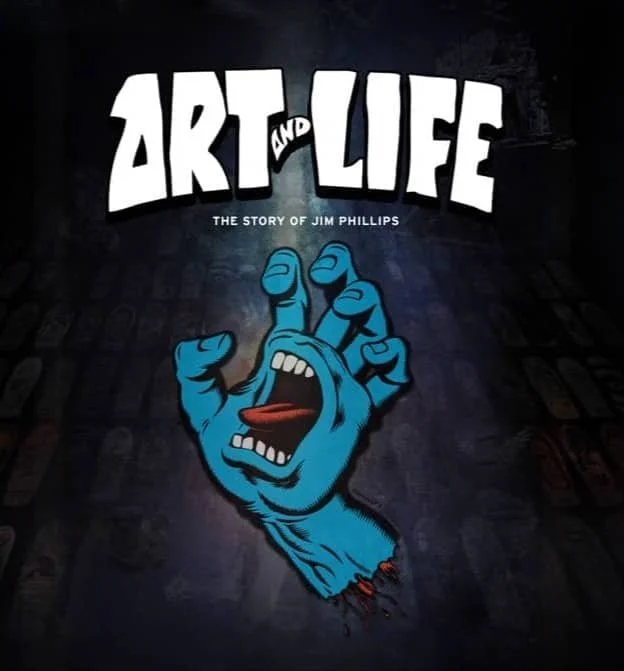
🎬 Art and Life: The Story of Jim Phillips (John Makens, 2024): The man who drew the Santa Cruz Screaming Hand in 1985, plus thousands of decks, surf graphics and rock posters. An honest, joyful film about a life spent drawing, with a cameo from Neil Young. Rent or buy on Apple TV or Amazon.
👉 Watch the trailer here
📚 You’ve felt these before, you just didn’t know the word: A great carousel of words for feelings you’ve had your whole life. Kenopsia, for one: the eerie feeling of a normally busy place standing empty. Anyone who’s walked a factory floor on a Sunday knows it. Download a few to your vocabulary.
👉 Check it out here
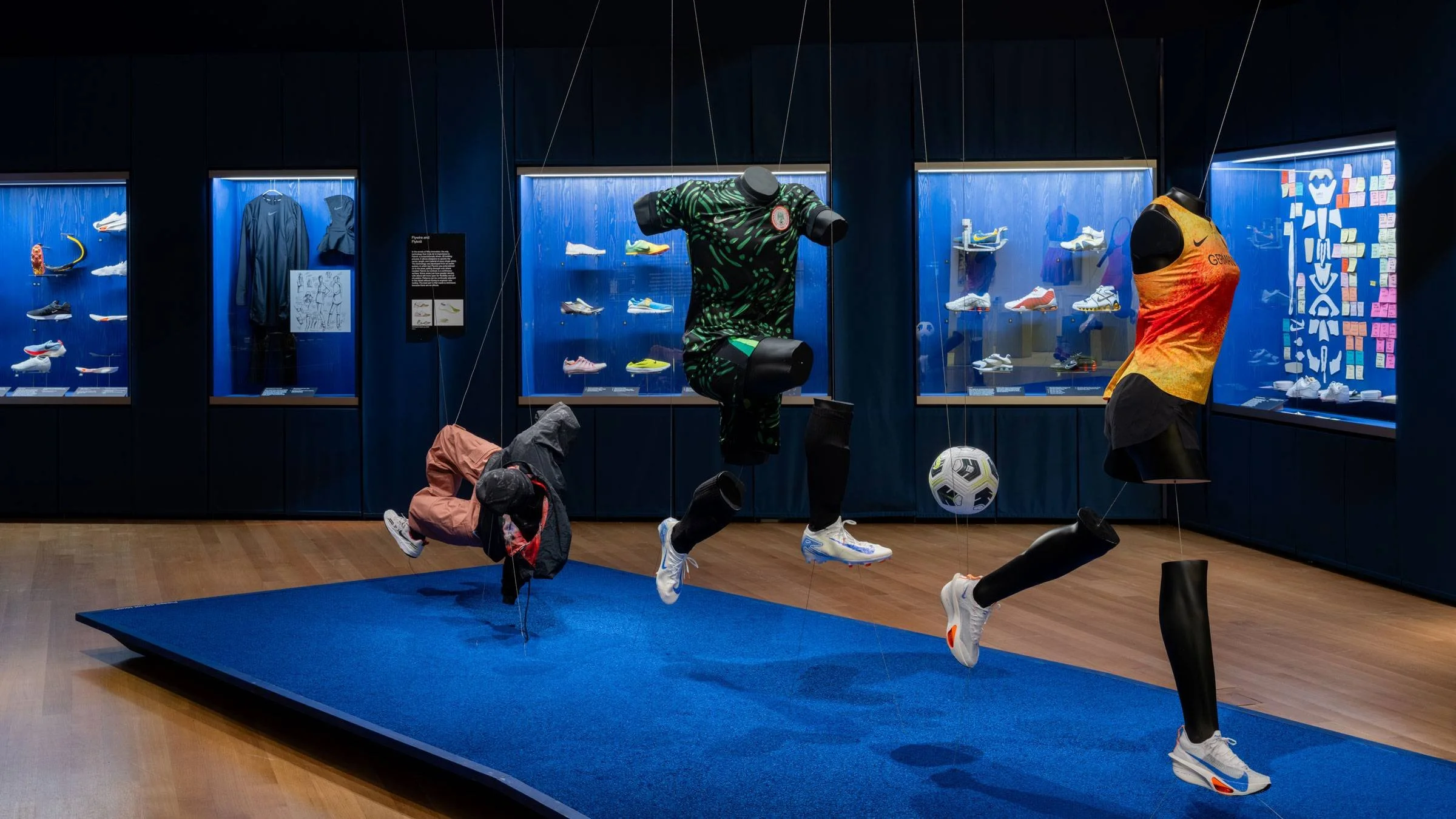
🏛️ Nike: Form Follows Motion, Museum of Arts and Design, New York: The first major museum show on Nike, and the one that called the Zvezdochka Nike’s first glueless shoe. Prototypes, sketches and one-offs from the archive, on until 7 March 2027.
👉 Check it out here

👟 If you liked this...
You’ll enjoy the story of Apollo’s moon boots, another chapter where footwear had to be completely rethought for space.
👉 Check it out here
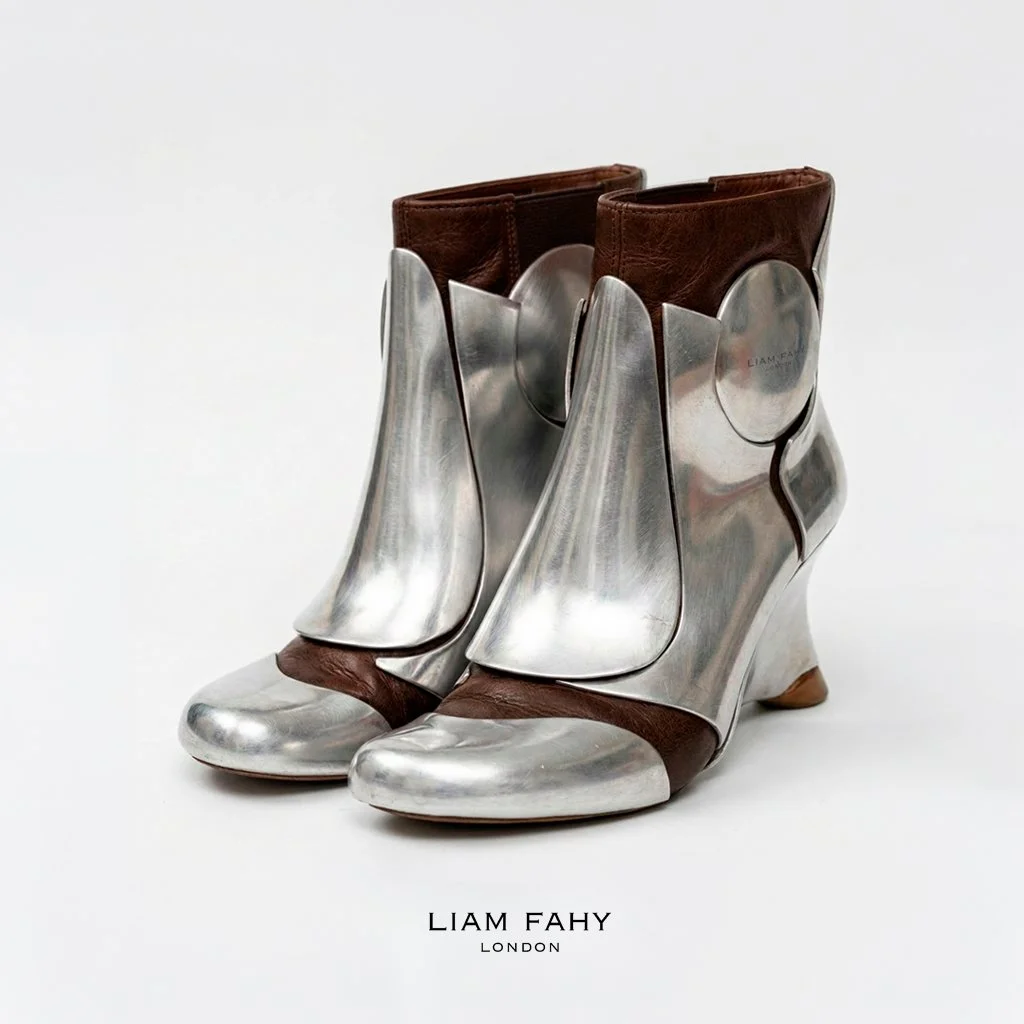
👟 Footwear Prototypes: For a deep dive into innovative footwear design where I share original concepts, explore unique shoe materials, and discuss design strategy, check out and follow my LinkedIn feed