Design Ideas and Random Thoughts
Read Time: 3-4 min
Quote of the week:
“Fashion is a form of ugliness so intolerable that we have to alter it every six months.” - Oscar Wilde
Made me think:
🧠 The Simmel Effect - Named after German sociologist Georg Simmel, who theorised that fashion starts with elites and is then adopted by the lower classes. Once the masses embrace a trend, the elites abandon it to maintain social distinction.
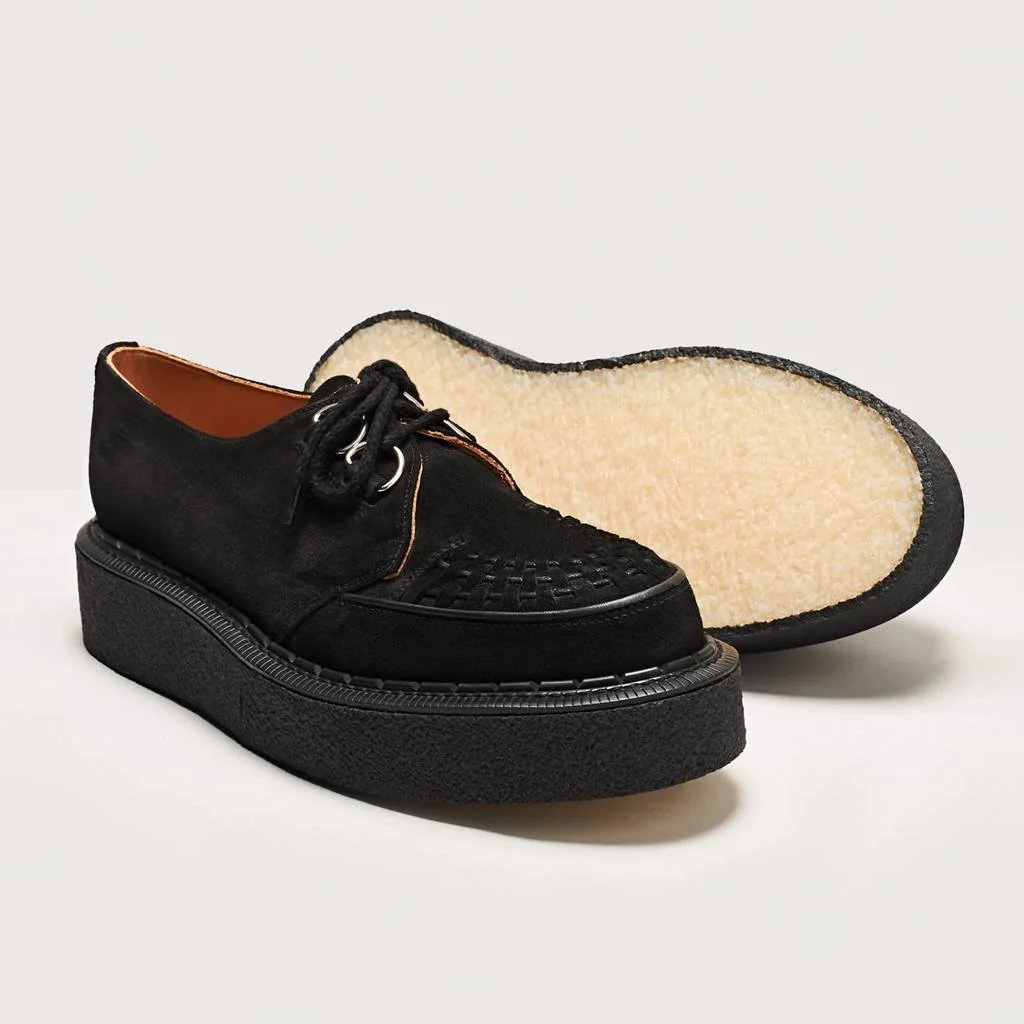
The Brothel Creeper: From Desert Dust to the Sex Pistols
The Brothel Creeper was never meant to be iconic. But, like most design legends, it emerged from practical needs, acquired a nickname soaked in nightlife folklore, and found itself reincarnated in nearly every fashion rebellion since.
Its story begins in the late 1940s, with British soldiers returning from North Africa after World War II. In the desert, they had worn soft suede boots (desert boots, or Veldskoens) with thick crepe rubber soles, ideal for navigating hot, rocky terrain. Once home, many began modifying their desert boots with rubber soles and wore them on nights out in London’s dance halls, jazz clubs, and yes, brothels. The thick crepe soles made for quieter footsteps across wooden floorboards, and legend has it that’s where the name "Brothel Creeper" was born.
However, cultural historians suggest alternate theories. One links the term to Ken Mackintosh’s 1953 hit dance track “The Creep”, which swept through London dance clubs at the time. Another possibility? A misspelling or mishearing of “crepe,” the distinctive textured rubber used in the soles.
By 1949, British shoemakers had started to notice the popularity of this improvised shoe. Among them was George Cox, a Northamptonshire shoemaker founded in 1906, which introduced the “Hamilton”: suede upper, thick crepe sole, and rebellious undertones baked into the design. It would become the blueprint for every Creeper to come.
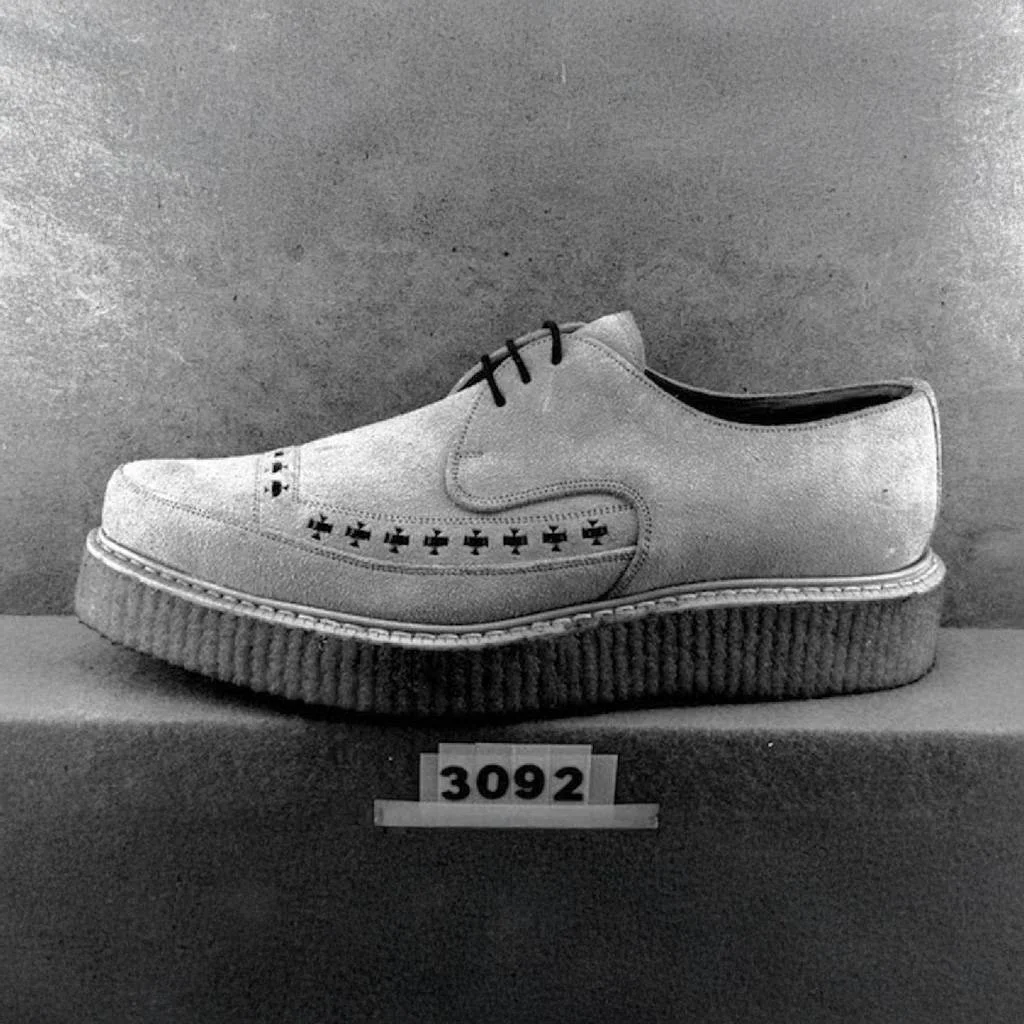
Just as the nation was rebuilding, a new youth identity was forming. The Teddy Boys, disillusioned working-class teens with a flair for flamboyance, adopted the Creeper wholesale. Their look was a deliberate throwback to the Edwardian dandies, complete with velvet-collared jackets, slicked hair, drainpipe trousers, and, crucially, Creepers. It was a sartorial protest: against austerity, against class rigidity, and against postwar greyness.
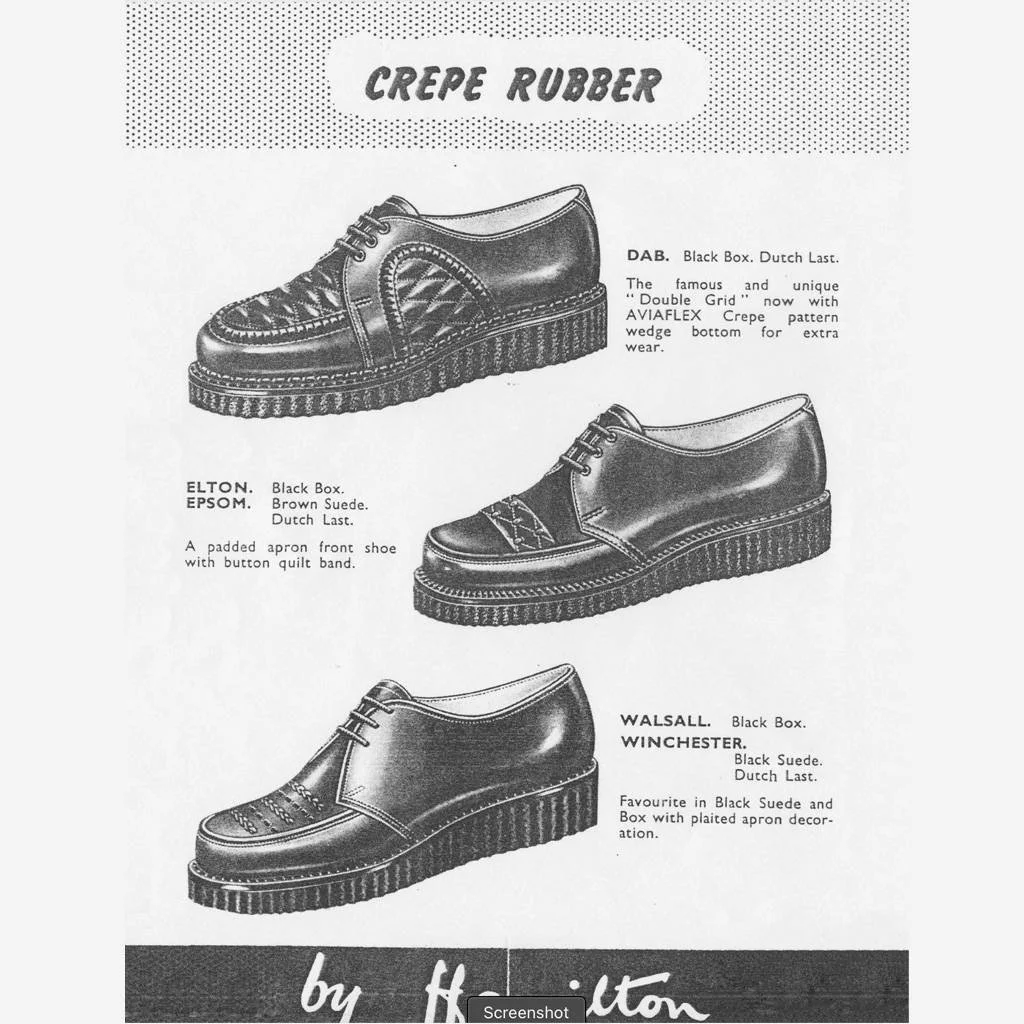
While the Teddy Boy craze faded in the 1960s, the Creeper lay dormant, only to be resurrected with full force by the punk and glam movements of the 1970s. Now it was being worn with ripped tees, safety pins, and leopard print. Vivienne Westwood and Malcolm McLaren sold them at SEX in King’s Road. Siouxsie Sioux stomped in them on stage. And from there, the shoe embedded itself into subcultural style: goths, rockabillies, ravers, and even 1990s grunge kids claimed it as their own.
Since then, the Creeper has followed a winding path across the subcultural map, rockabillies, punks, goths, ravers, its form shifting slightly with each generation, but its message the same:
I don’t walk like you. I don’t want to.
And here’s one more footprint in the Creeper’s journey, possibly the most punk of all.
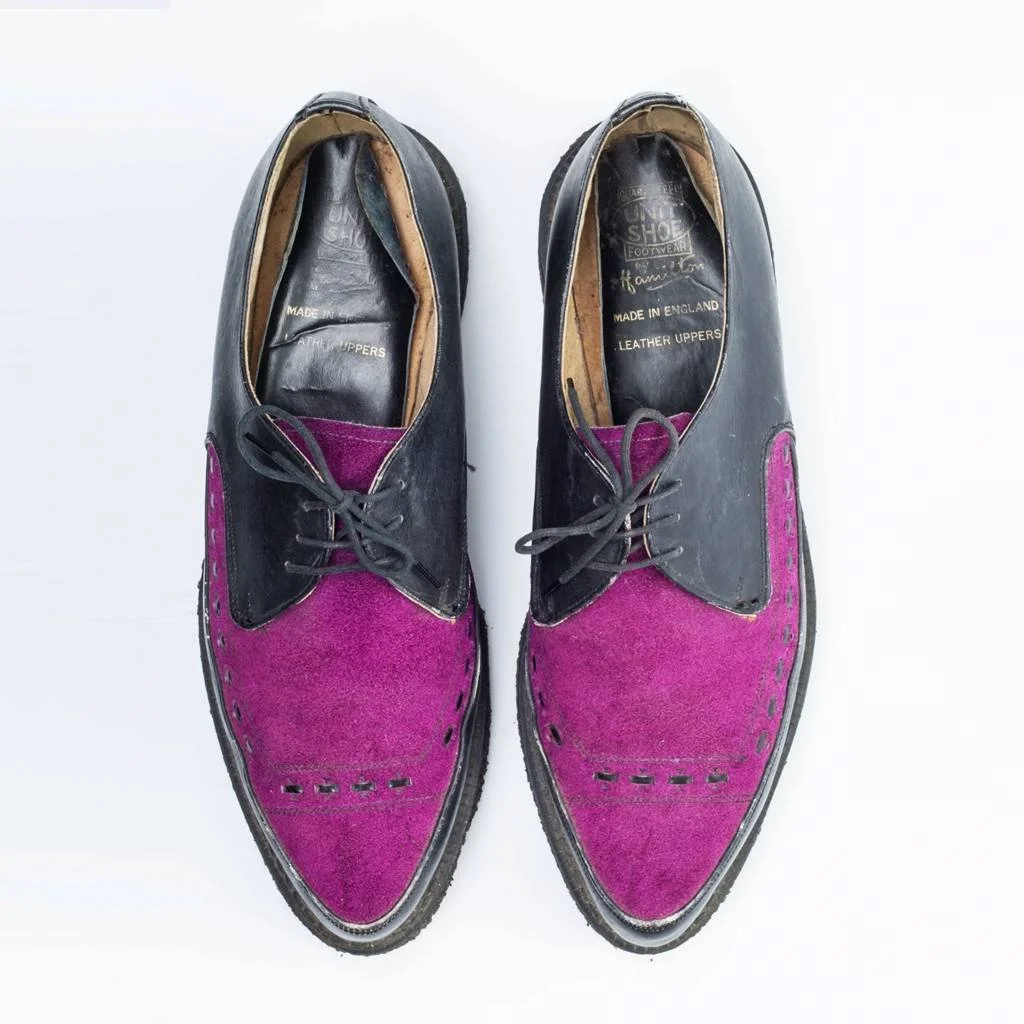
Johnny Rotten, still going by John Lydon, wandered into SEX, Malcolm McLaren’s infamous shop on King’s Road, looking for a pair of white suede George Cox Creepers. McLaren recalled:
“In came a very, very obstreperous creature looking for a pair of brothel Creepers in white suede. I didn’t have them in his size, but I could order them for the week after.”
McLaren, always scouting, asked him if he could sing.
“Nah, only out of tune,” Lydon replied.
McLaren was intrigued. He offered him the shoes if he agreed to meet the band that night at a local pub. He did.
That pair of shoes may have launched the Sex Pistols.
My Recommends this week:
📕 Good read
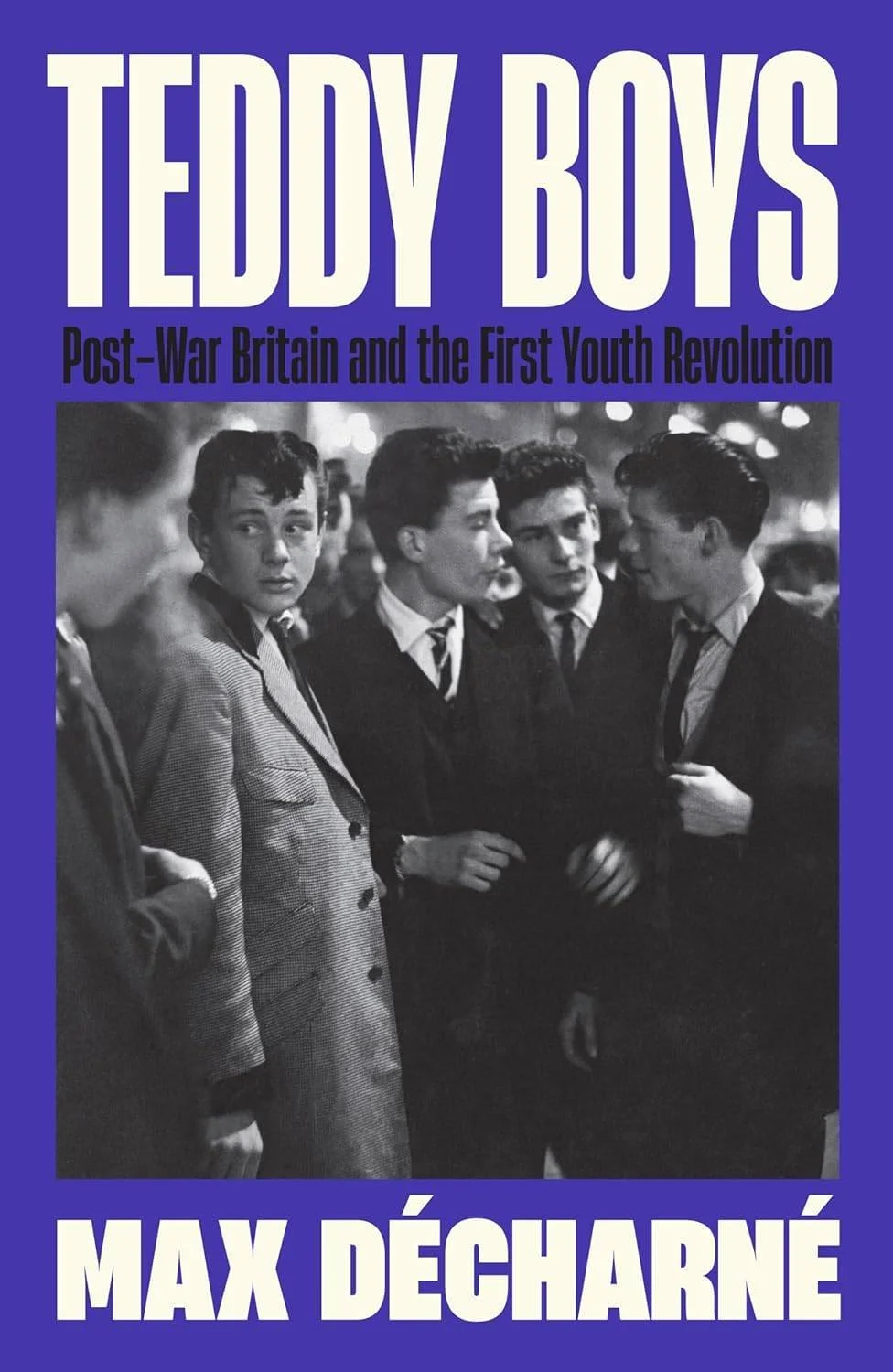
Teddy Boys by Max Décharné: With their drape jackets, suede creepers and Brylcreem’d hair, the Teds defined Britain’s first true youth style revolt. This book unpacks how working-class teens, raised on ration books and rubble, rebranded themselves through fashion and fearlessness.
Tabloid panic. Street swagger. Social protest in pinstripes.
👉 Check it out here
📱 Cool App
Vidu: A lightning-fast AI tool that transforms static images into animated video. Great for social posts, promos, or just experimenting with motion ideas. Recommended by my friend Jono, the Oracle of games, and he’s rarely wrong. Think of it as your shortcut to punchy 2D storytelling without a production crew.
👉 Check it out here