Dorothy's Ruby Slippers, Peter Principle and 0 waste, on demand shoes
Design Ideas and Random Thoughts
Read Time: 2-3 min
Quote of the week:
“Perfect is the enemy of good.”
— Voltaire (1770)
Made me think:
🧠 The Peter Principle - Formulated by Laurence J. Peter and Raymond Hull in their 1969 book The Peter Principle, this principle states: “In a hierarchy, every employee tends to rise to his level of incompetence.” In short: people get promoted based on their performance in their current role, not on the skills needed for the next one — until one reaches a point they’re no longer competent.
Dorothy's Slippers.
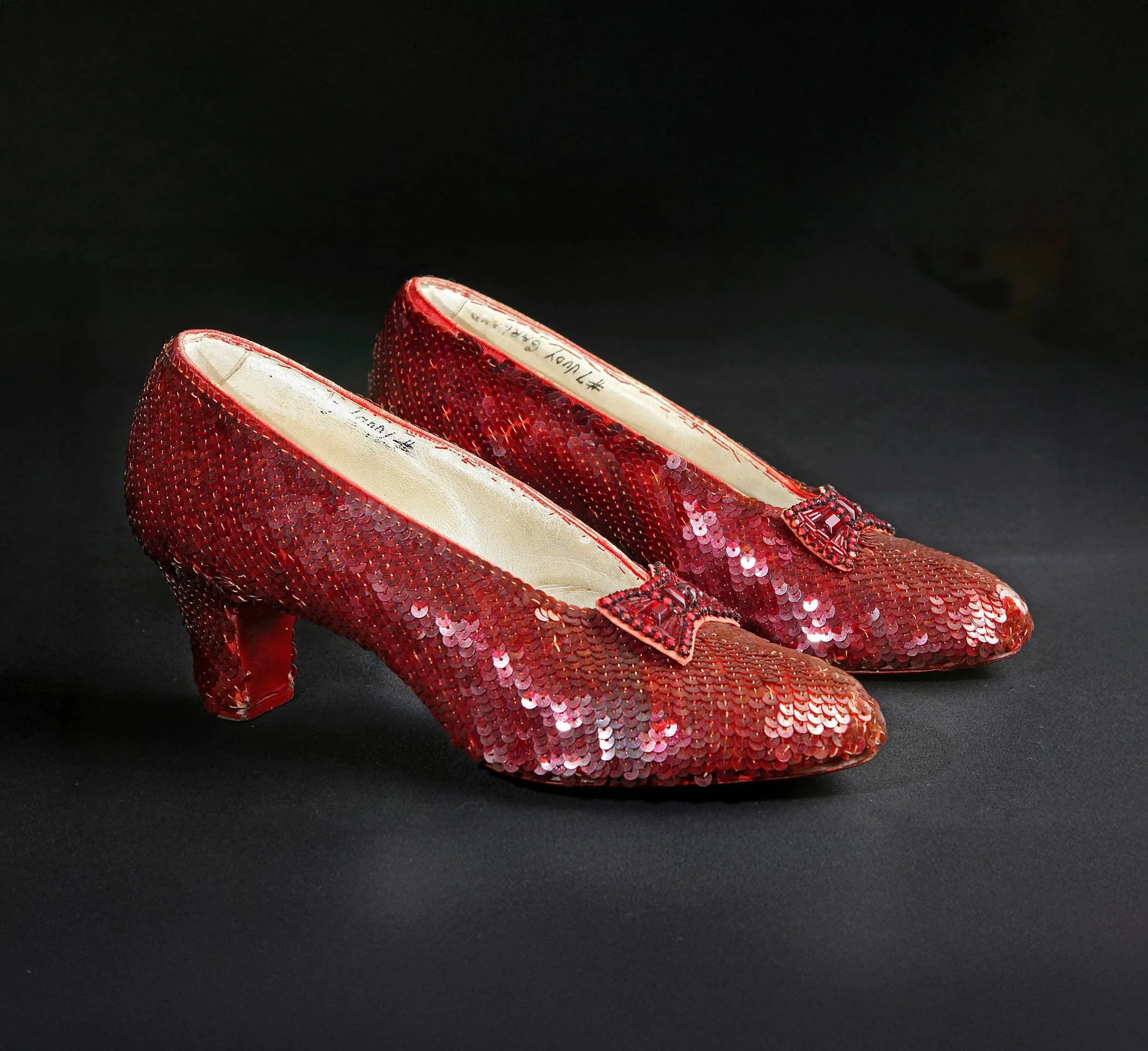
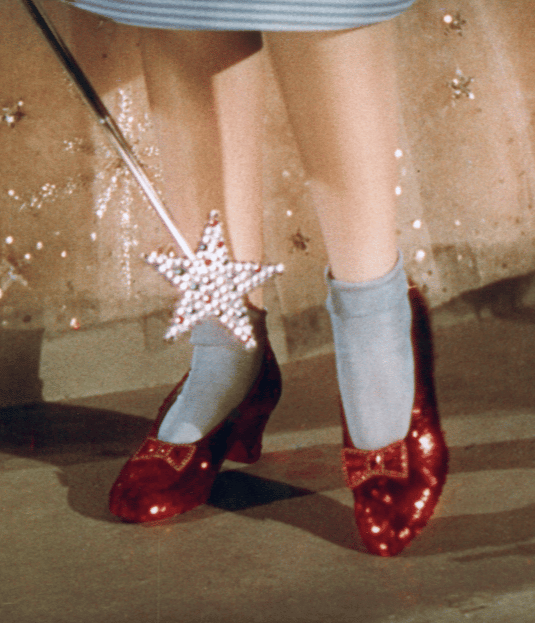
Few shoes in cinema history carry as much myth, craft, and cultural weight as Dorothy’s ruby slippers from The Wizard of Oz(1939). For many shoedogs and designers, they represent a rare convergence of storytelling, technical innovation, and artisanal detail.
The slippers were conceived by MGM’s legendary costume designer Adrian Greenburg. In L. Frank Baum’s original Wizard of Oz book, Dorothy’s shoes were silver — but Adrian made the inspired decision to change them to red. The reason wasn’t just whimsy. Technicolor had recently been introduced, and MGM wanted to showcase the vivid saturation of this new technology. Red, far more than silver, would leap from the screen. It was a design decision born not of personal taste, but of adapting to the medium — a lesson as relevant now as it was then.
The shoes themselves began life as plain white silk pumps from the Los Angeles–based Innes Shoe Company. They were dyed red and then painstakingly covered with a delicate netting, onto which more than 2,300 sequins were hand-sewn per shoe. The bows were adorned with bugle beads, rhinestones, and glass jewels, all chosen to sparkle like rubies under the hot Technicolor lights. In some cases, orange felt was glued to the soles to silence Garland’s footsteps on set — a practical yet almost invisible tweak to keep the illusion intact.
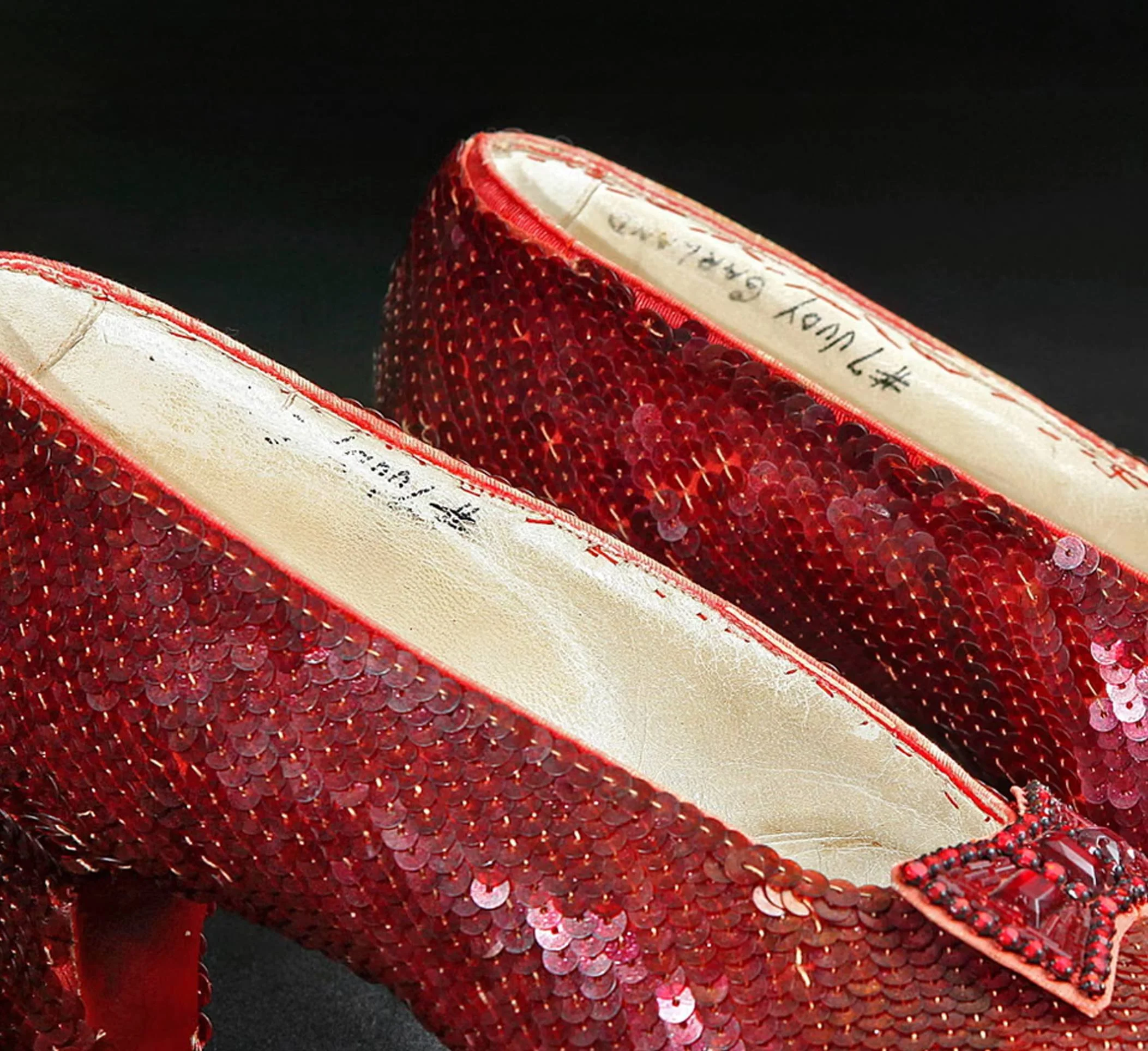
#7 Judy Garland written on the topline
Not every pair was the same. Adrian created multiple versions, including an “Arabian test pair” with curling toes and ornate flourishes. That design was deemed too exotic for Dorothy’s farm-girl persona, and the plainer pumps won out. In total, between seven and ten pairs were made for filming, though only four authenticated, screen-worn pairs are known to survive today. One, marked “#7 Judy Garland,” is thought to be the close-up or “clicking” pair used in the heel-tapping scenes.
The story of the slippers after the film is just as dramatic as anything in Oz. One pair, displayed at the Judy Garland Museum, was stolen in 2005 and disappeared for thirteen years before resurfacing in an FBI sting. Another now resides at the Smithsonian, dubbed “the people’s shoes,” and serves as one of the museum’s most visited artifacts. In 2024, one pair fetched an astonishing $32.5 million at auction, cementing their place as the most valuable piece of film memorabilia in history.
What’s most fascinating, though, is how a shoe made of sequins and silk — without a single ruby in sight — became priceless. Their worth lies not in material, but in narrative, myth, and the dreams they embody. The shift from silver to ruby illustrates how design choices can shape cultural memory, not just fit a brief. And the survival of only a handful of pairs, each with its quirks and provenance, keeps the mystery alive.
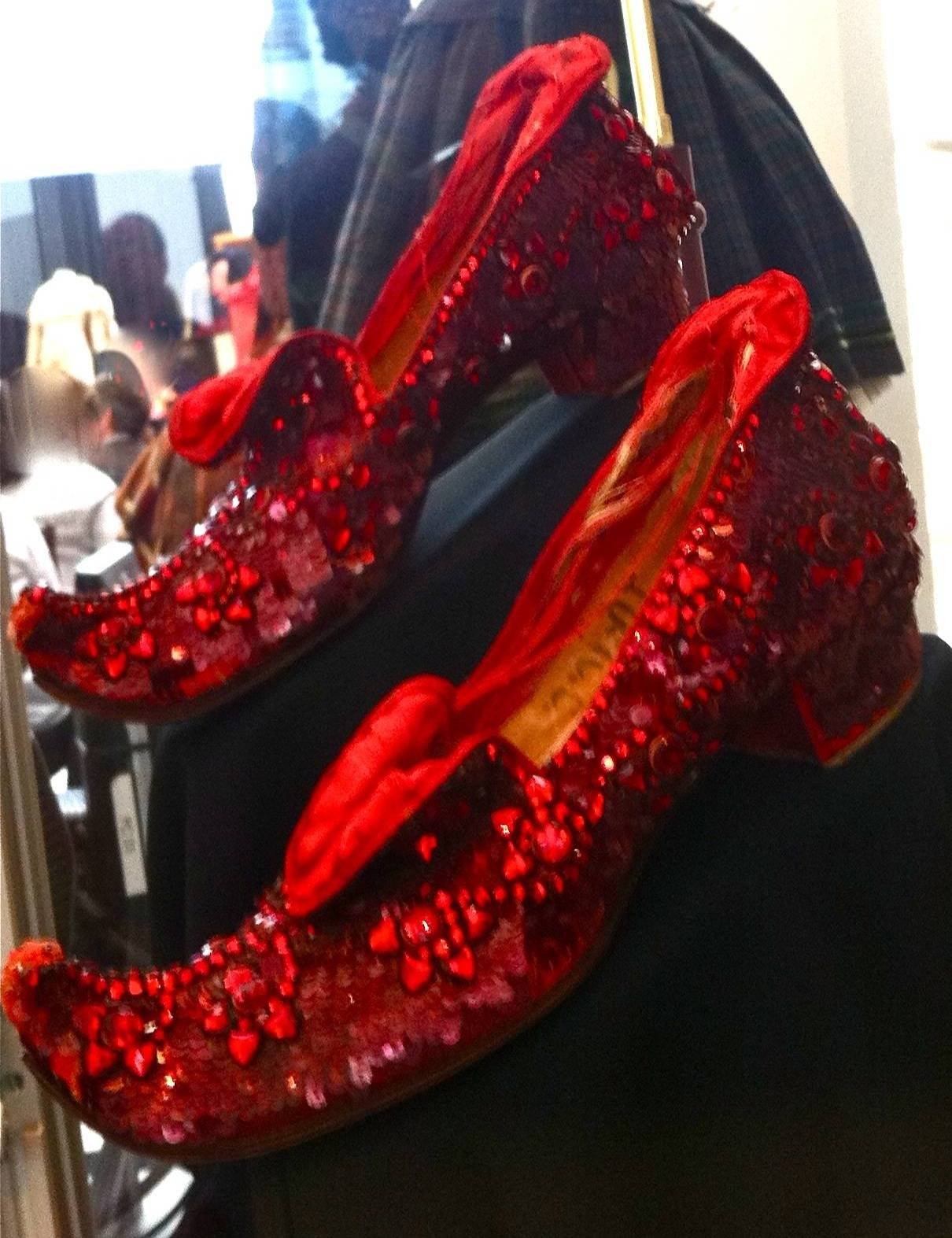
An alternative ‘arab’ style slipper that didn’t make the cut.
Something to think about
Design isn’t just about making things look good — it’s about designing for medium, narrative, technology, and memory. Those ruby slippers weren’t red because someone liked red — they were red so they’d register correctly on film.
👉 In your designs today — whether footwear, apparel, or experience — how many choices do you make to please your own eye versus choices you make to read correctly in the medium.
My Recommends this week:
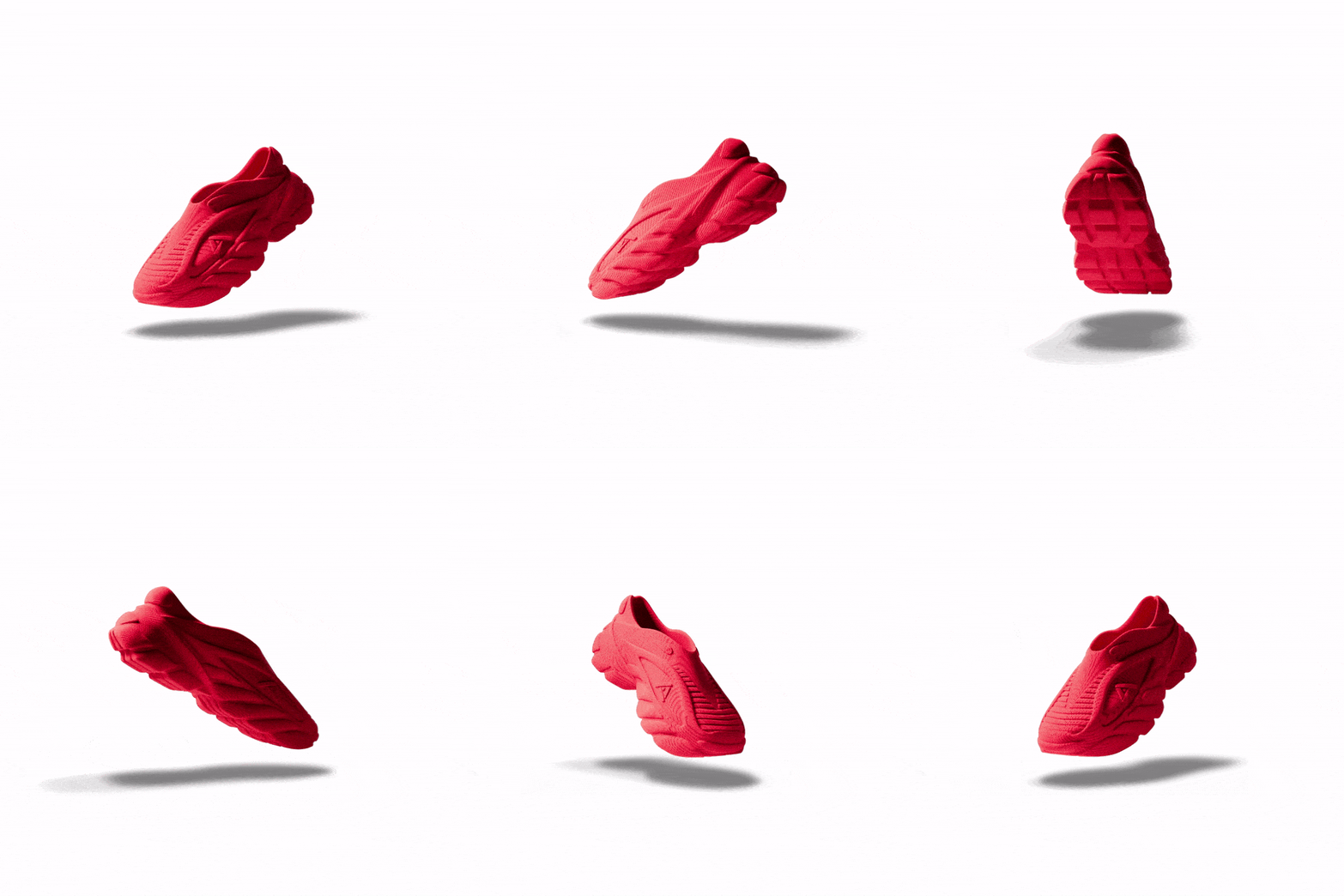
🦾 Zellerfeld
If you haven’t encountered them yet, Zellerfeld is a print-on-demand fabric & design house based in Germany with a clean ethos: no sweatshops, no waste, no MOQs. They print/collab for brands like Nike, Syntillay, Havianas, RKFT, and loads more more. They marry flexibility, quality, and sustainability — making them a space to watch for forward-thinking brands and designers who want control without compromise.
👉 Check them out here: Zellerfeld.com

👞 If you liked this… You’ll enjoy our deep dive into the story behind the Ari Menthol Tens, the shoes that were actually banned!
👉 Check it out here
👟 Footwear Prototypes For a deep dive into innovative footwear design where I share original concepts, explore unique shoe materials, and discuss design strategy—all curated for anyone passionate about shoemaking, luxury design, and seeing fresh stuff, check out & follow my LinkedIn feed