The story of the presidential Cowboy boots
Design Ideas and Random Thoughts
Read Time: 4 min
Quote of the week:
“Attention is the rarest and purest form of generosity.”
— Simone Weil, letter to poet Joë Bousquet, April 13, 1942
Made me think:
🧠 The Oddball Effect
- describes how items that are noticeably different from their surroundings are more likely to be noticed, remembered, and valued. First studied in psychology by Hedwig von Restorff in the 1930s, the effect shows that distinctiveness captures attention at a cognitive level. In design, this explains why a single unexpected detail—think an exaggerated heel, a deliberately “wrong” colour, or a logo placed where it shouldn’t be—can elevate an otherwise familiar product into something memorable.
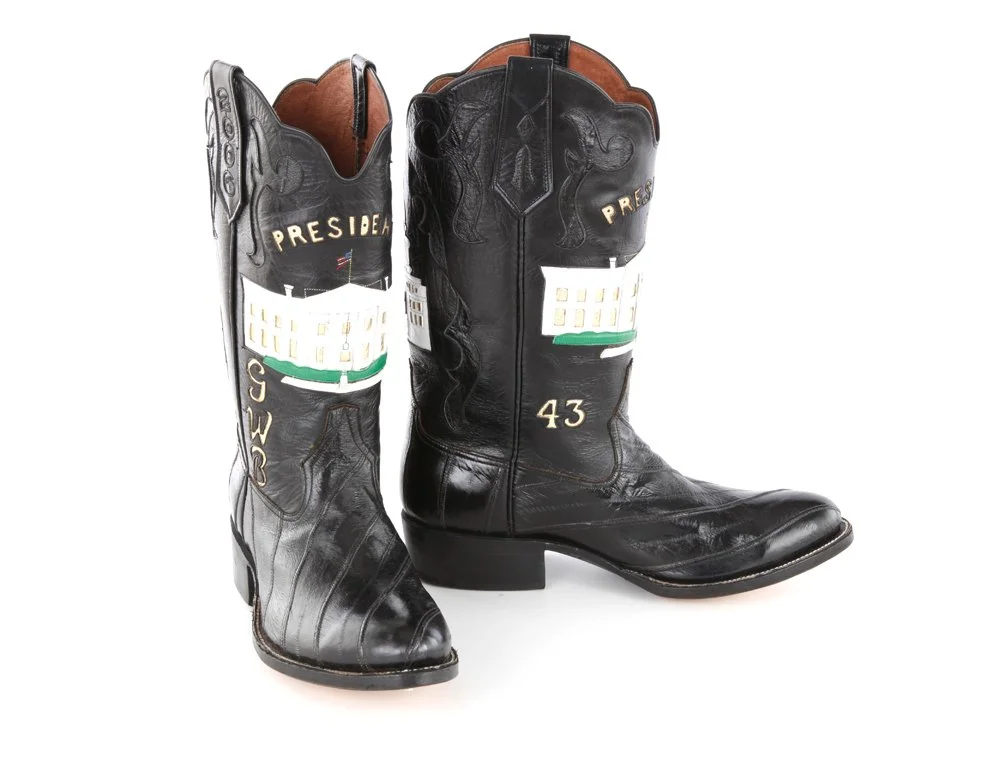
George W. Bush and the Semiotics of the Cowboy Boot.
Few presidents have used footwear as deliberately—or as consistently—as George W. Bush. Long before “authenticity” became a political buzzword, Bush’s cowboy boots functioned as a wearable signal: Texas roots, ranch practicality, and a cultivated distance from Washington polish.
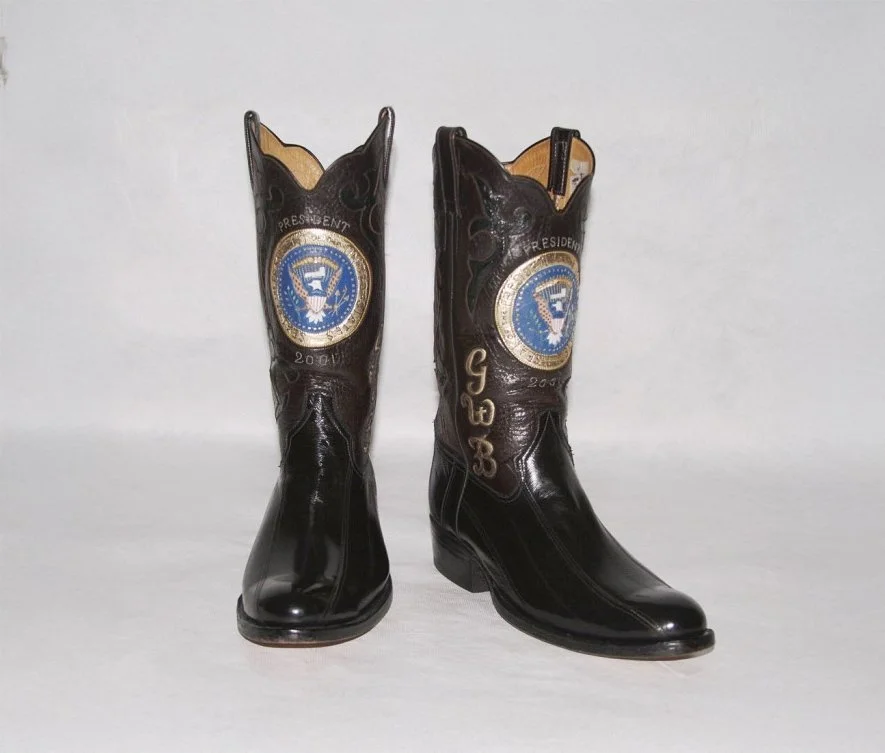
Bush didn’t just wear cowboy boots casually; they became part of his presidential uniform. At the Texas Black Tie and Boots Ball on January 19, 2001—the night before his inauguration—he famously lifted the cuff of his tuxedo to reveal custom-made boots embroidered with his initials and the presidential seal. The gesture landed exactly as intended: formal power, filtered through regional identity. Thousands of Texans in attendance understood the message immediately.
Many of Bush’s most recognisable boots were made by Rocky Carroll, a Houston-based bootmaker working out of a cramped wooden shack wedged between a laundry and a tyre yard. Carroll—often jokingly referred to as BOTUS: Bootmaker of the United States—crafted cowboy boots for seven U.S. presidents, spanning both parties. His relationship with the Bush family began in the 1980s when he gifted a pair to then–Vice President George H. W. Bush at a Houston rodeo. That single pair led to an Oval Office visit, where Carroll presented boots to Ronald Reagan as well.
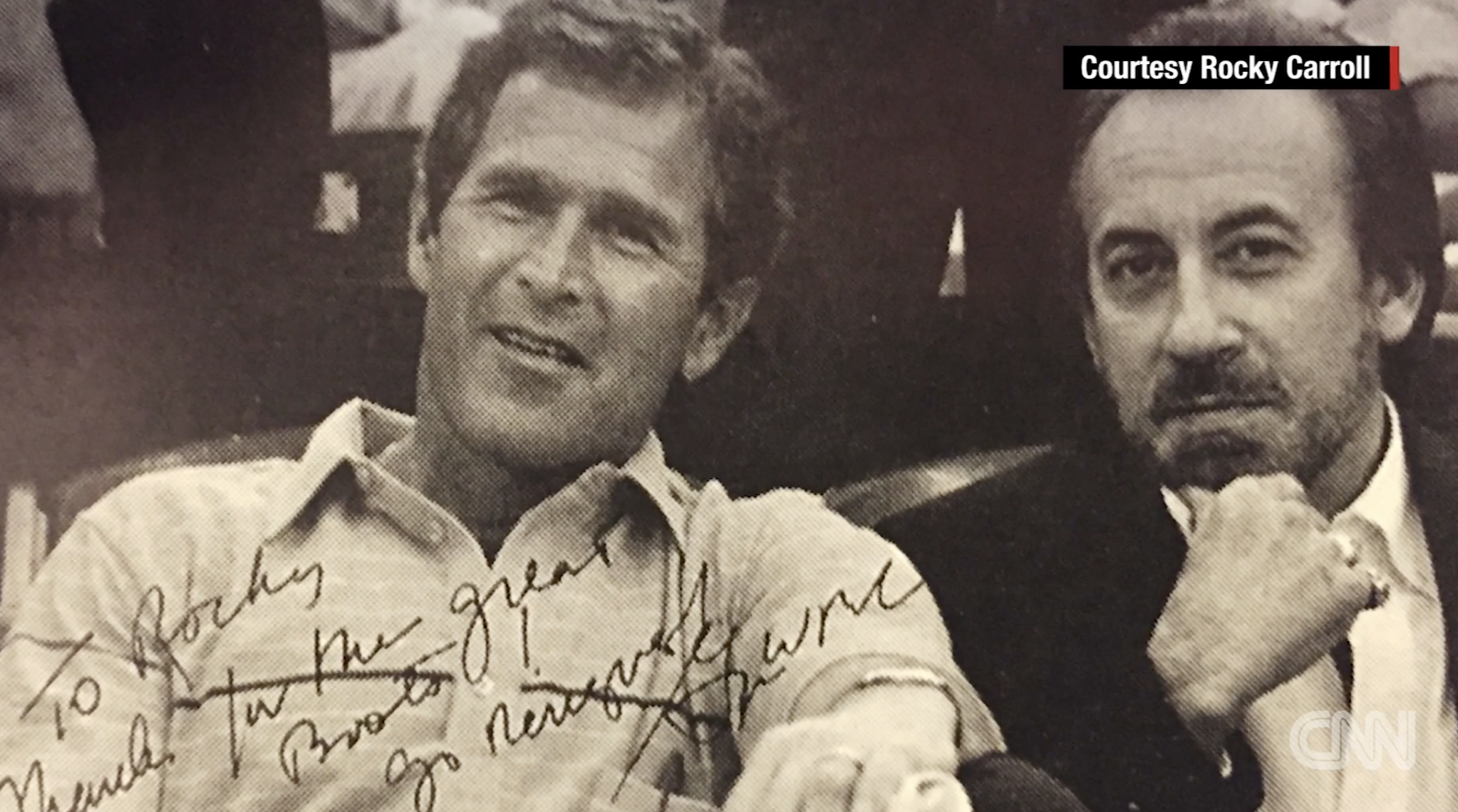
“He said it felt like putting on a pair of socks,” Carroll recalled of Reagan’s reaction—a line any footwear designer will appreciate more than most policy speeches.
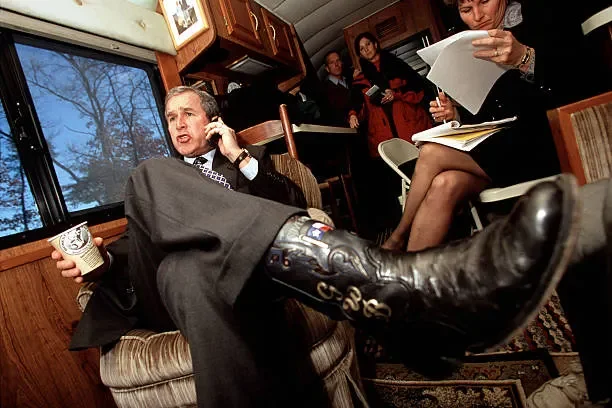
For George W. Bush, Carroll made multiple pairs over the years, some ceremonial—featuring the presidential seal and custom embroidery—and others far more practical. At Bush’s Prairie Chapel Ranch in Crawford, Texas, he wore roper-style boots: lower heel, rounder toe, built for walking, riding, and uneven ground rather than parades. Photographs show these boots worn during bike rides, brush clearing, and informal press moments—boots as tools, not costumes.
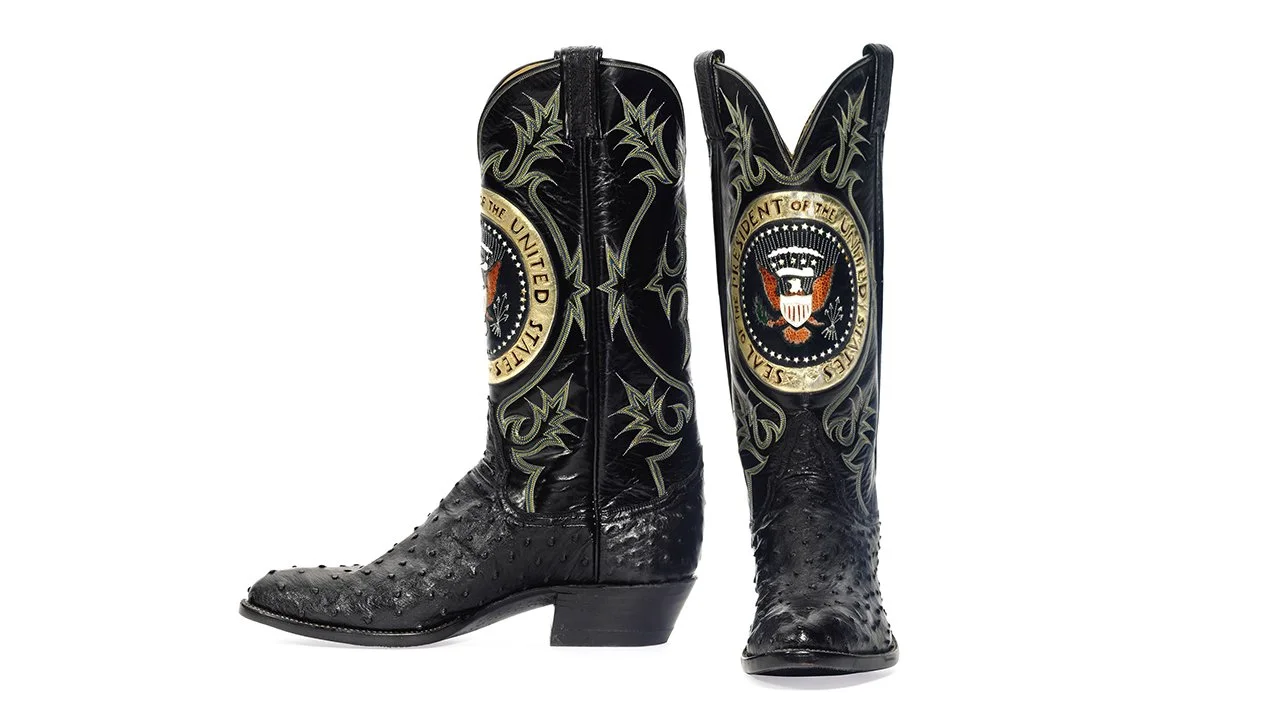
Bush also owned boots from other respected makers, including Tony Lama, Gary Loveless, Lisa Sorrell, and Rios of Mercedes, often received as gifts or commissioned for specific occasions. What’s striking is not luxury, but intent: each pair served a role, context, or message.
Carroll famously never charged presidents for his work. “I try to build your personality into your boot,” he said. In his shop, he kept replicas of every presidential pair he made—a quiet archive of American power rendered in leather, stitching, and heel height.
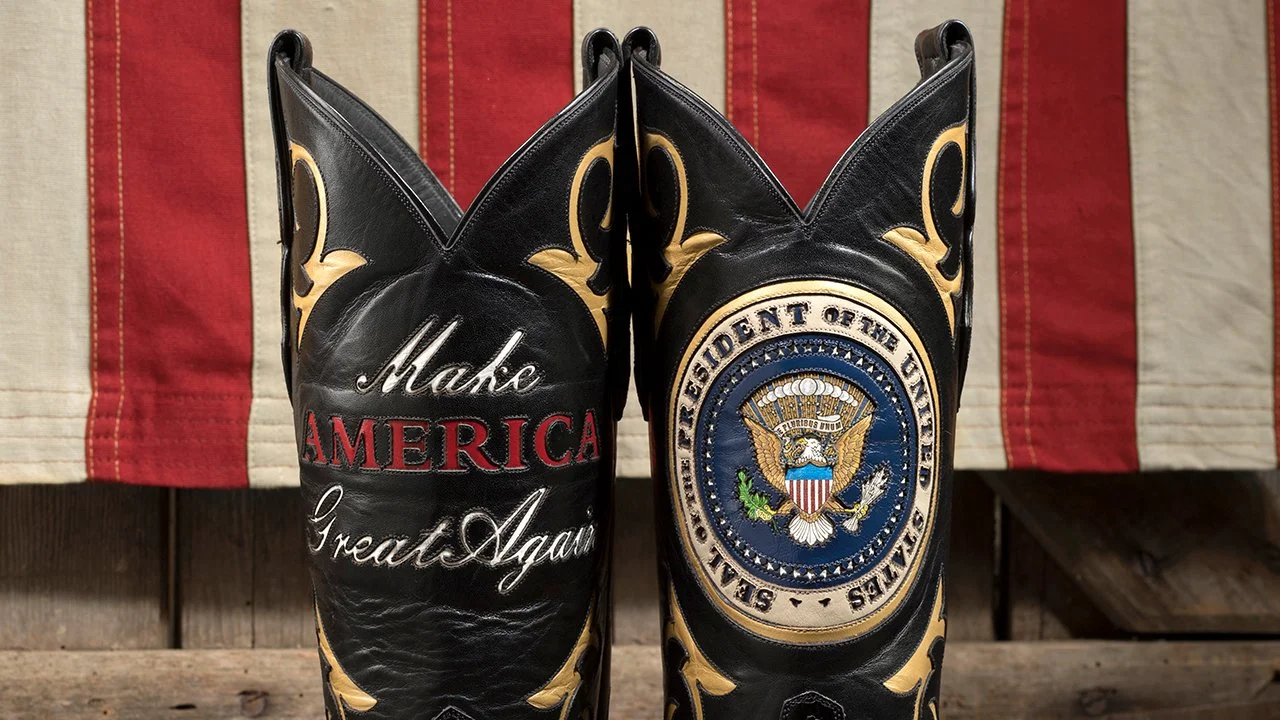
Carroll planned to make a pair for Donald Trump as well, predicting his election and attempting to reach the campaign. He passed away in 2017 before that could happen—meaning Trump remains the only modern president without a pair from BOTUS. Some might say that’s fitting: a man known for tacky gold interiors never quite made it into a craft built on restraint, skill, and humility.
For designers, Bush’s boots are a reminder that footwear doesn’t just protect or decorate—it communicates. Silhouette, maker, material, and context can quietly do the work of branding, storytelling, and positioning long before a word is spoken.
Something to think about
When your product walks into a room before you do, what story is it telling on your behalf?
Check out the BOTUS video here
My Recommends this week:
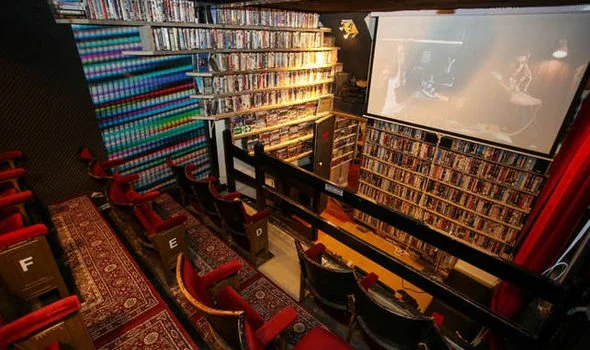
🎥 20th Century Flicks — Bristol’s Hidden Movie Treasure
If you love discovering rare or forgotten things, you’ll want to check out 20th Century Flicks in Bristol. Claimed to be the world’s oldest continually operating video store, (and smallest cinema in Britain) it’s run by a small but passionate band of film fanatics. Inside, you’ll find over 20,000 titles spanning DVD, Blu-ray, VHS, and even laserdisc, plus two tiny cinemas for screenings. A true haven for cinephiles. (Thanks to Mark Kermode for the tip!)
👉 check out the official site
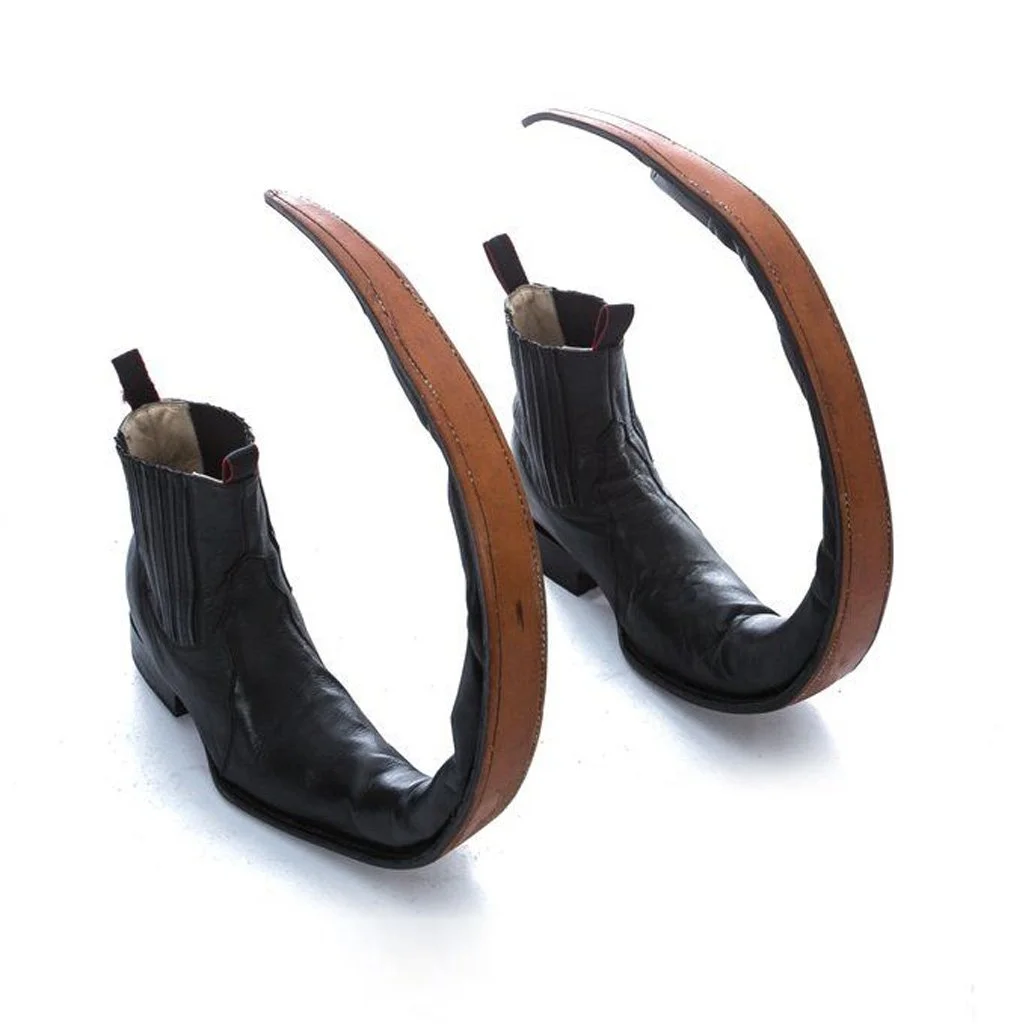
🌑 JUGO Boots — Presidential Style Meets Design History
If the story of George W. Bush’s cowboy boots sparked your interest, you’ll enjoy our previous DIRT feature on the JUGO Boot, born from cowboy boots, and south American flaire.
👉 Check it out
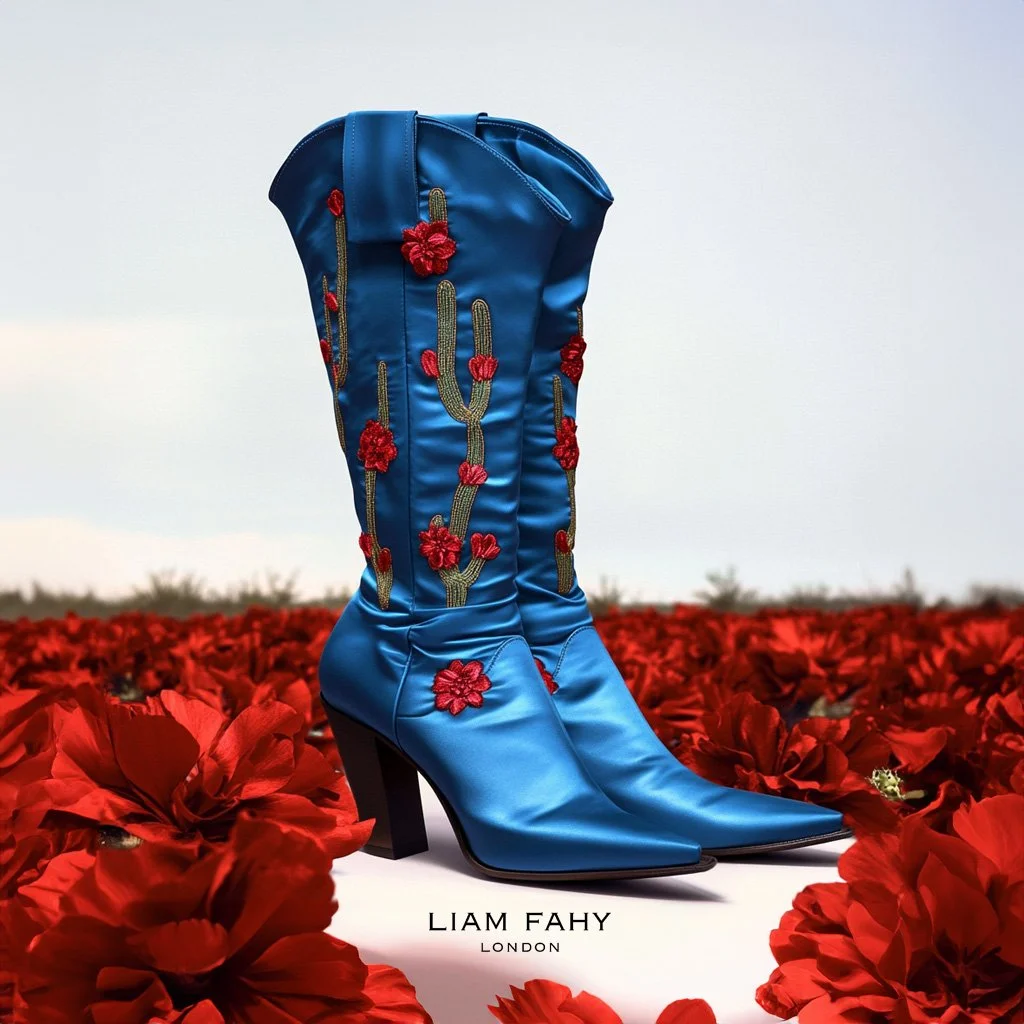
👟 Footwear Prototypes
For a deep dive into innovative footwear design where I share original concepts, explore unique shoe materials, and discuss design strategy—all curated for anyone passionate about shoemaking, luxury design, and seeing fresh stuff, check out & follow my LinkedIn feed