Dr Martens and Solovair: The Same Boot, Two Very Different Endings
Design Ideas and Random Thoughts
Read Time: 4 min
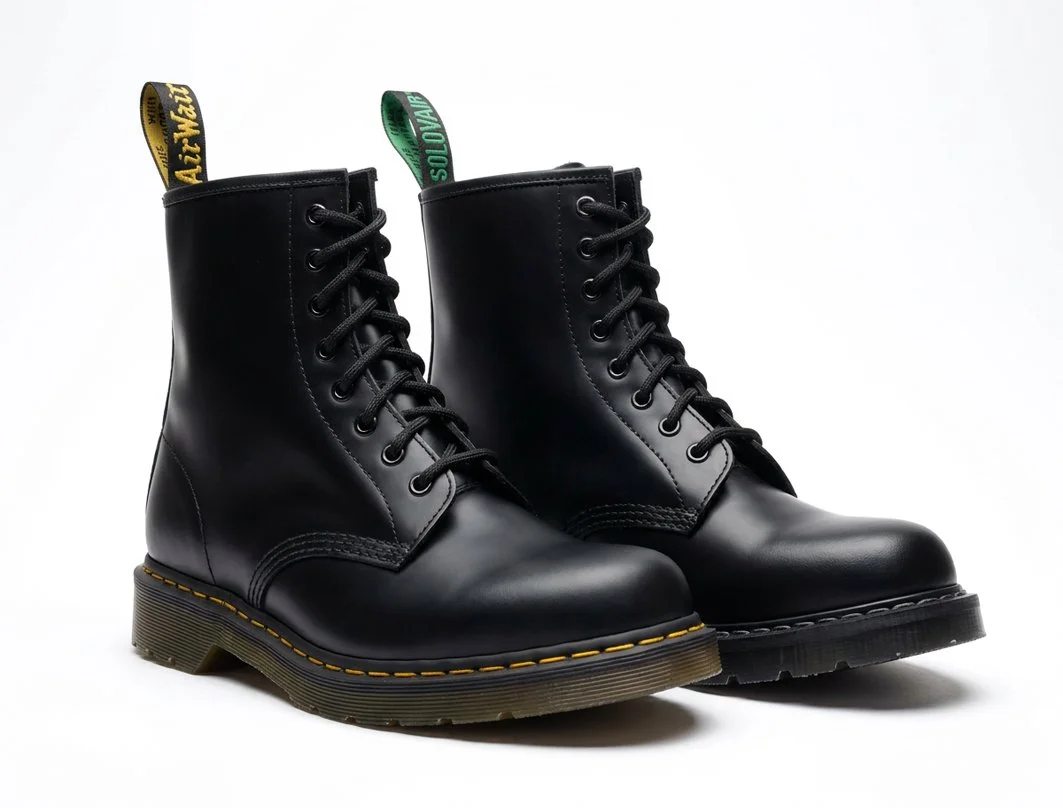
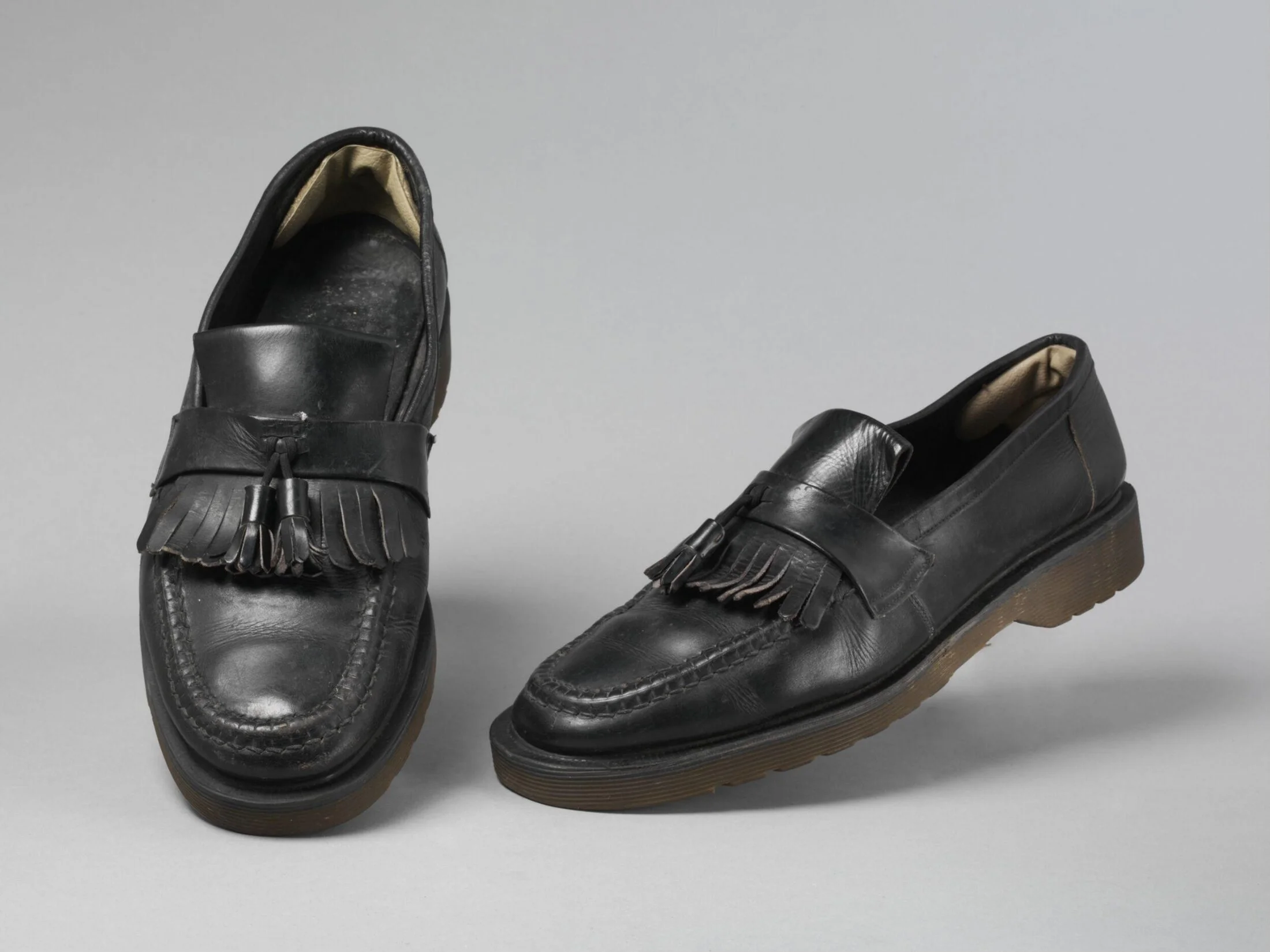
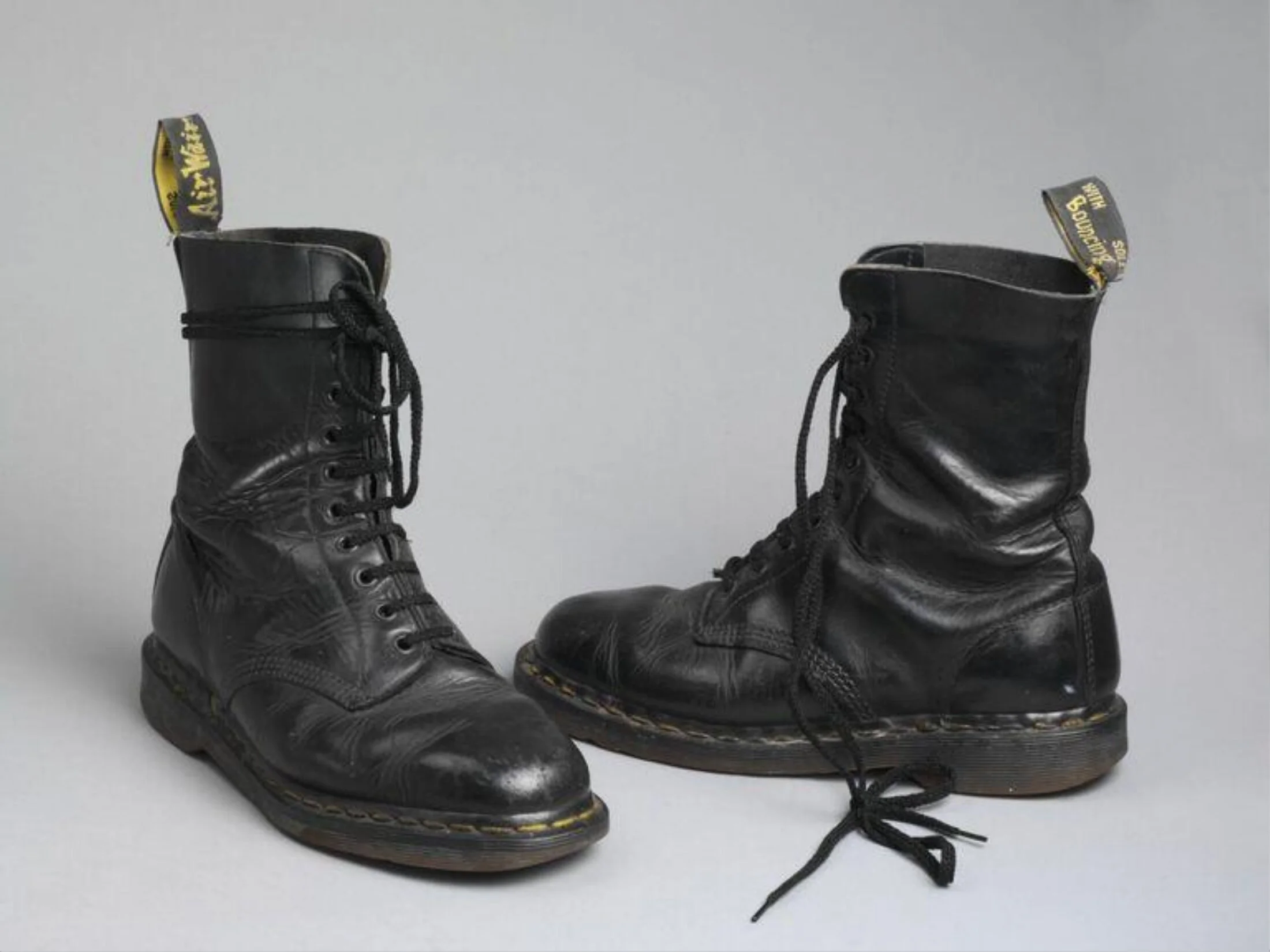
DM on the left Solovair on the right
Quote of the week:
"“Growth for the sake of growth is the ideology of the cancer cell.” - Edward Abbey
Made me think:
🧠 Narrative Transportation - Psychologist Melanie Green found in 2000 that when people become absorbed in a story, they temporarily suspend critical thinking and adopt the beliefs the story presents. It helps explain something counterintuitive about brand loyalty: the less a brand behaves like a brand, the more powerful the story becomes. Dr Martens became a cultural icon not by marketing itself, but by accumulating stories it never planned for.
The Boot That Refused to Stay in Its Lane.
On 1 April 1960, the first pair of boots left a factory on Cobbs Lane in Wollaston, a village in Northamptonshire, England. They had eight eyelets, a cherry-red leather upper, yellow welt stitching, and a sole stamped with the words "AirWair, With Bouncing Soles." The model number, 1460, referred to the date. They cost about two pounds.
Nobody planned what happened next.
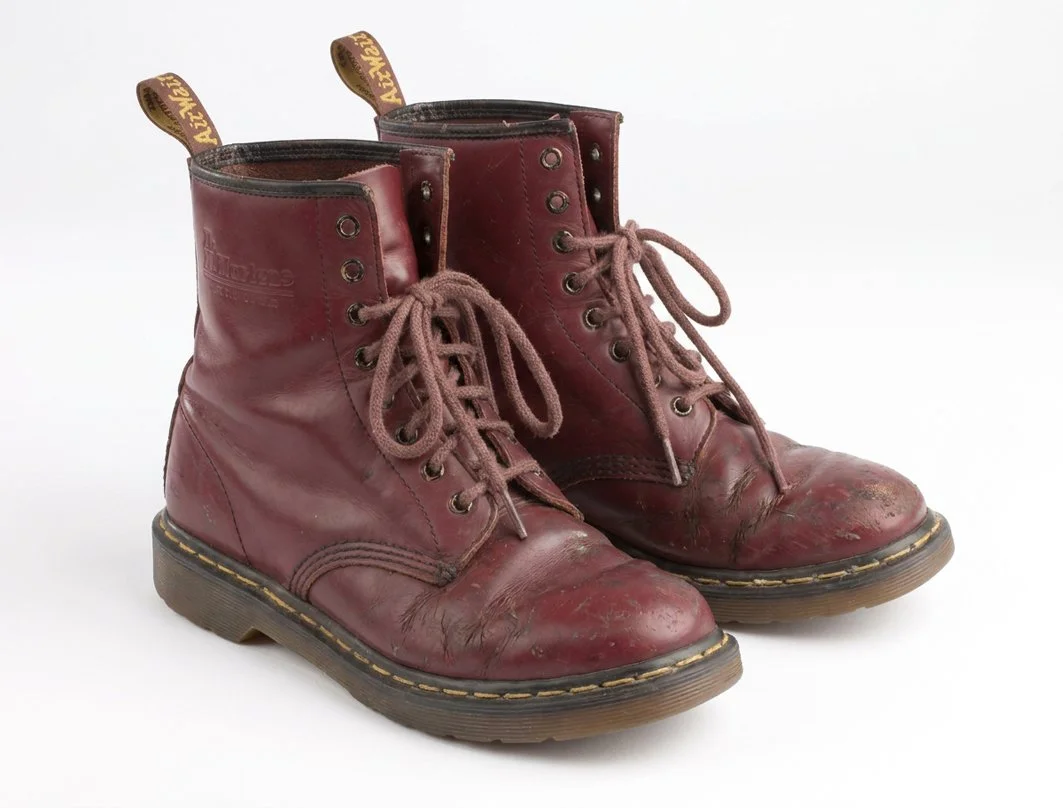
Original Dr Martens 1460 in cherry red, 1960s.
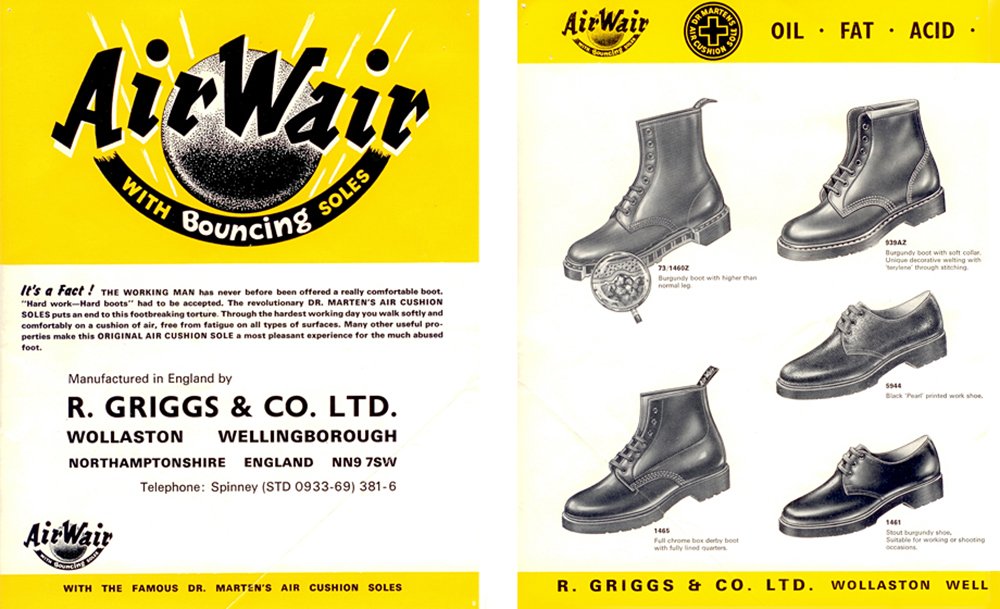
NIB’s (new in box)
The story starts fourteen years earlier, in the final months of the Second World War. Klaus Märtens was a young German army doctor who had injured his ankle while skiing. His standard military issue boots were too rigid to walk comfortably, so he redesigned them: softer leather, a sole cushioned with air pockets. The materials came from wherever he could find them, including rubber salvaged from Luftwaffe airfields.
After the war, Märtens met an old university friend, Herbert Funck, in a small Bavarian town called Seeshaupt. Funck saw the commercial potential immediately. By 1947, they were in business. By 1952, they had opened a factory in Munich. About 80% of their sales went to German women over 40. The air-cushioned sole was especially popular with people who spent all day on their feet. This was not a youth product. It was not a fashion product. It was an orthopedic solution to a specific problem.
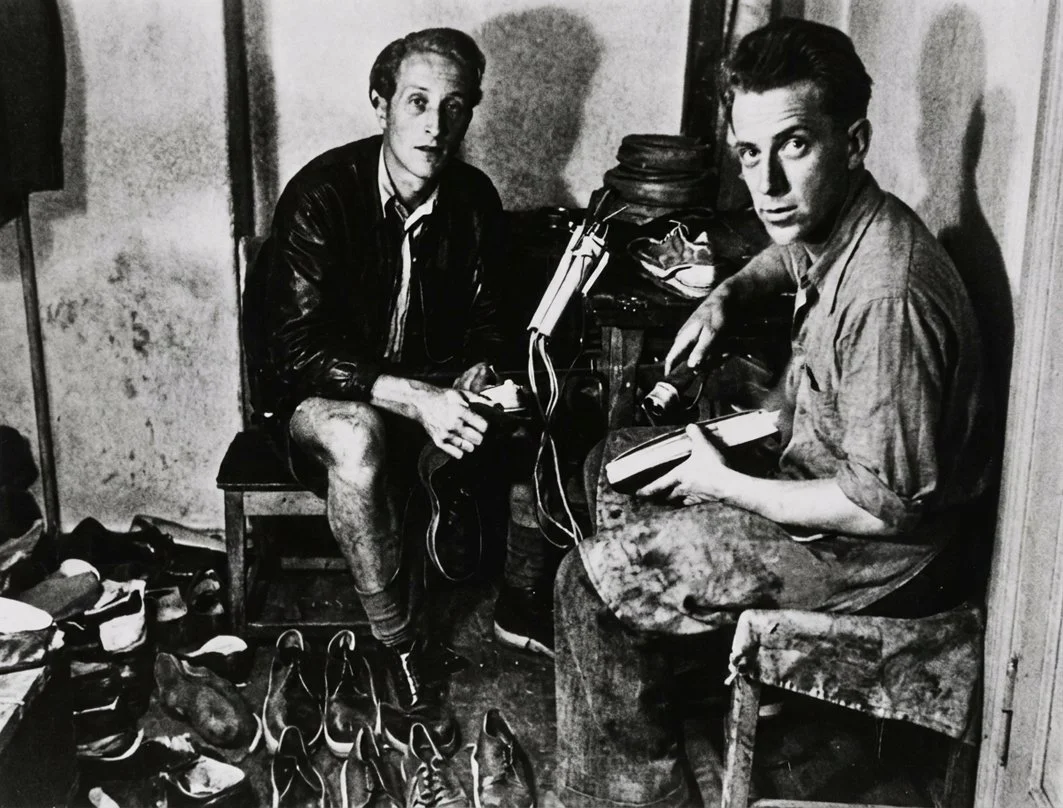
Docteur-klaus-martens and Herbert Funck late 1840's
In 1959, the R. Griggs Company of Wollaston, Northamptonshire, found an advertisement for the Märtens and Funck boot in a British trade magazine. The Griggs family were working-boot makers, and they recognised something: this was an unusual sole technology in a market that had not changed much in decades. They secured the UK licensing rights and got to work.
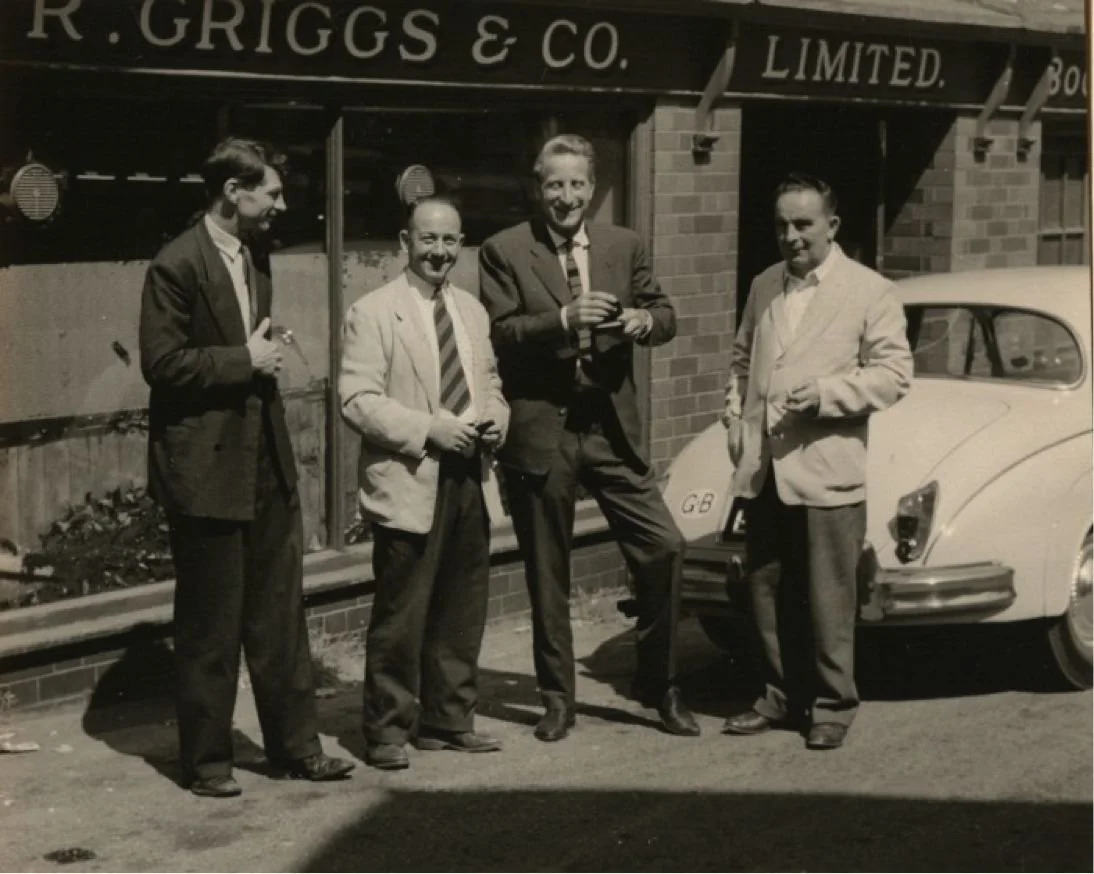
What Griggs brought to the design was modest but essential. They altered the heel shape slightly. They added the yellow welt stitch. They wrote "With Bouncing Soles" on the heel loop, in Bill Griggs' own handwriting. And they named it 1460, after the date of its first production run.
The boot was initially sold to postmen, factory workers, and police officers. Exactly the kind of people the original German design had been made for. In its first decade, it was a workboot. It solved a physical problem and got on with it.

The Griggs family’s Cobb’s Lane factory in Northamptonshire, 1930s. Photograph: Courtesy of Dr Martens
What the Griggs family did not plan for was what happened in the late 1960s. Skinheads had been developing as a subculture in British working-class communities in the late 1960s. They were drawn to Dr Martens precisely because of what they were: tough, utilitarian, cheap enough to actually buy on a factory wage, and already associated with a kind of unfussy working-class identity. The boots were not adopted because they looked rebellious. They were adopted because they looked real.
From skinheads, the boot passed to mods, then to scooter riders, then to the punk movement of the late 1970s. The Sex Pistols wore them. The Clash wore them. Pete Townshend of The Who was the first celebrity of his status to be widely associated with them. By the early 1980s, every subculture in Britain that wanted to signal its distance from mainstream consumerism had independently arrived at the same boot.
This is the pattern that keeps appearing in the history of footwear icons. The design does not change. The world keeps finding new reasons to need it.
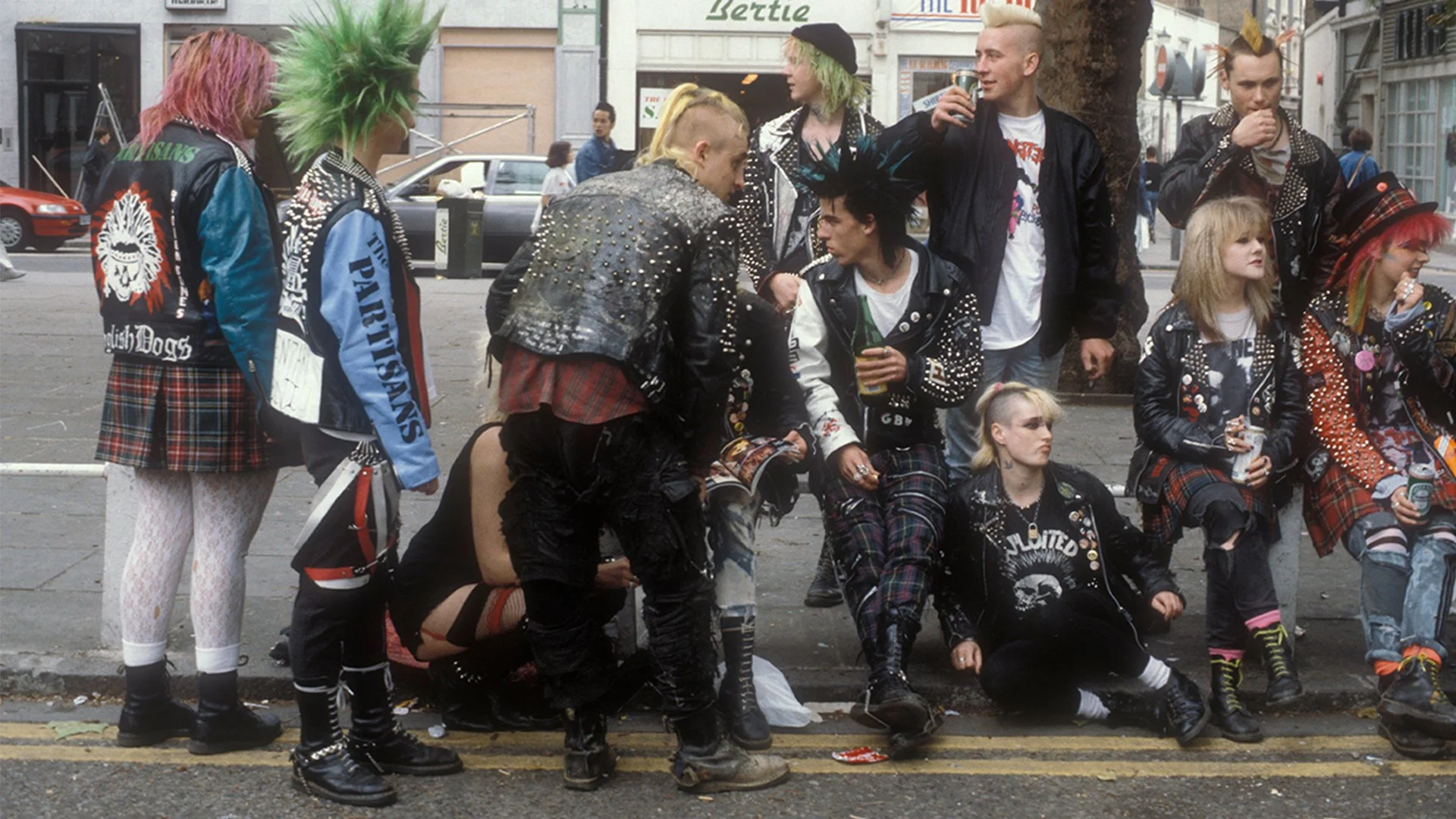
London Punks in Dr Martens
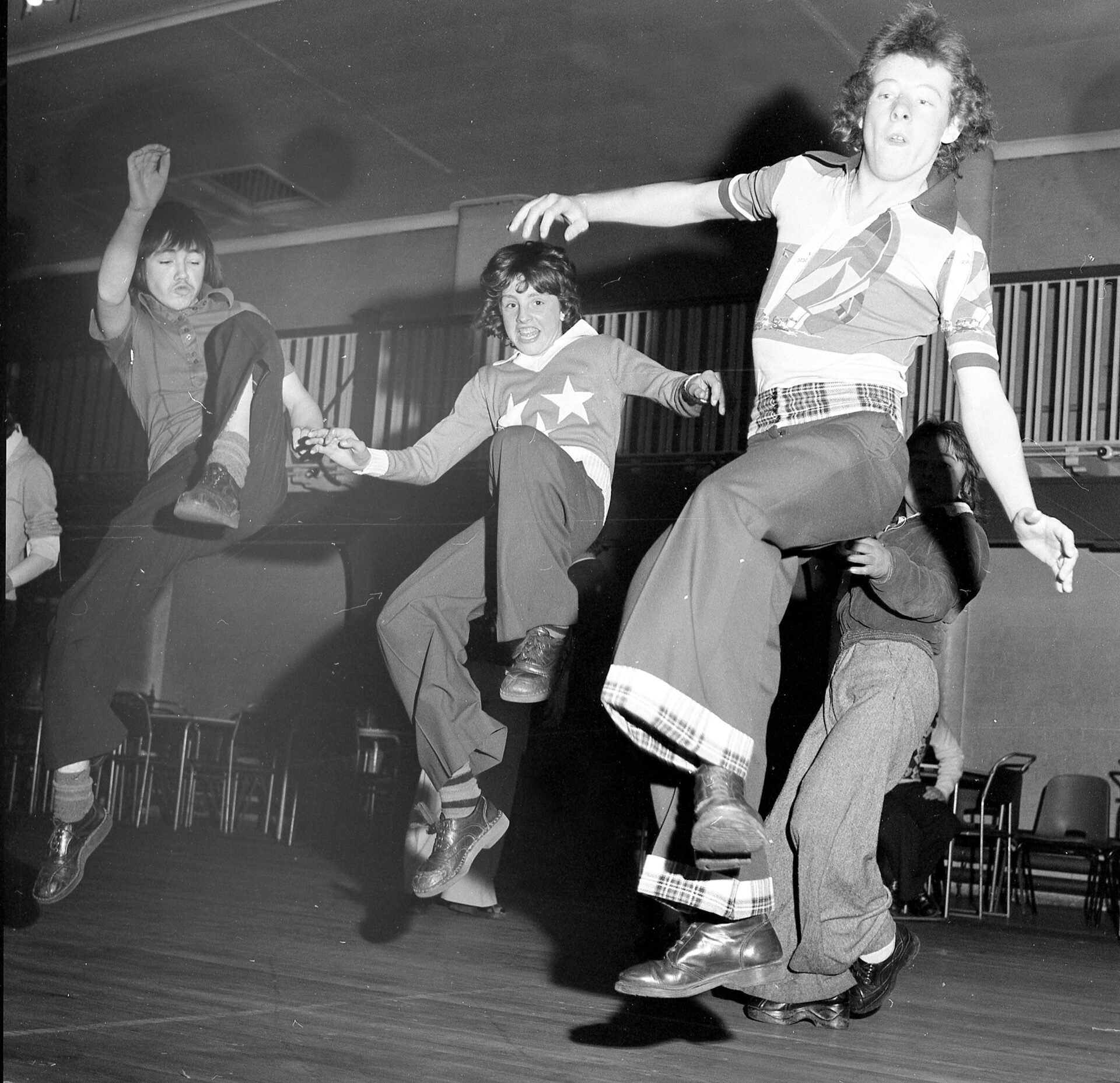
Northern soul club night, from the PYMCA archive
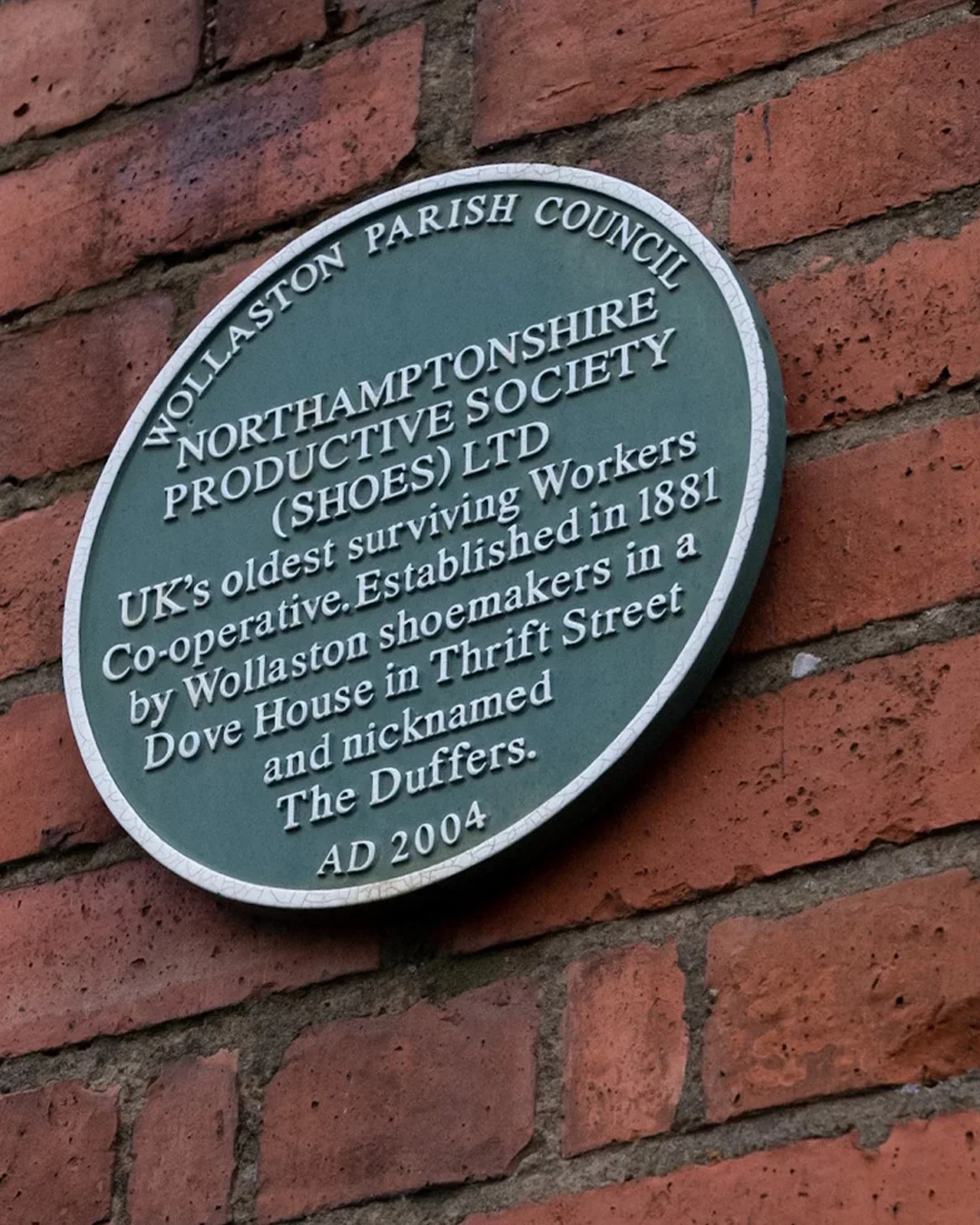
But here is what most people telling the Dr Martens story do not talk about: the factory on Cobbs Lane was not actually making Dr Martens alone. It was making them in partnership with a cooperative that had been operating in Wollaston since 1881.
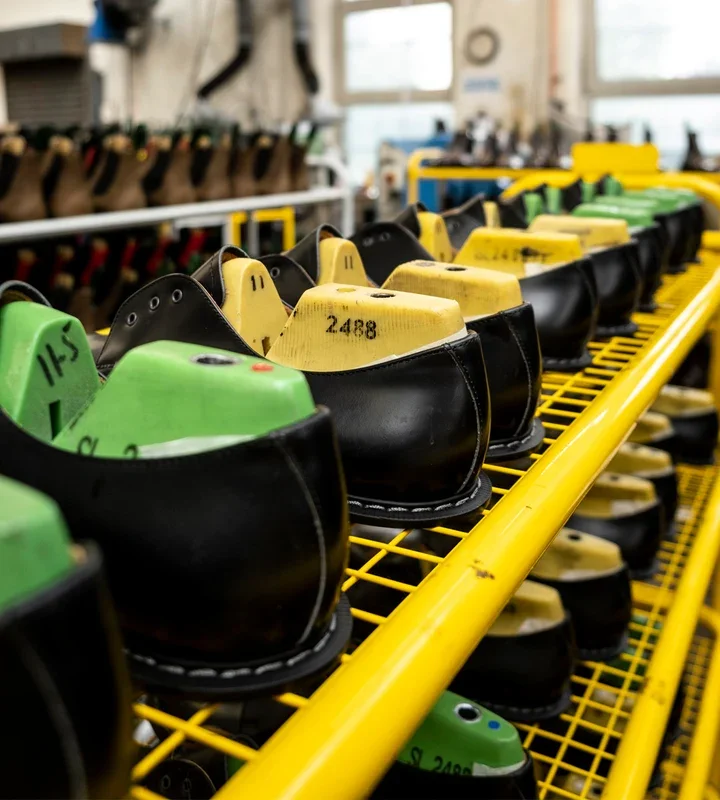
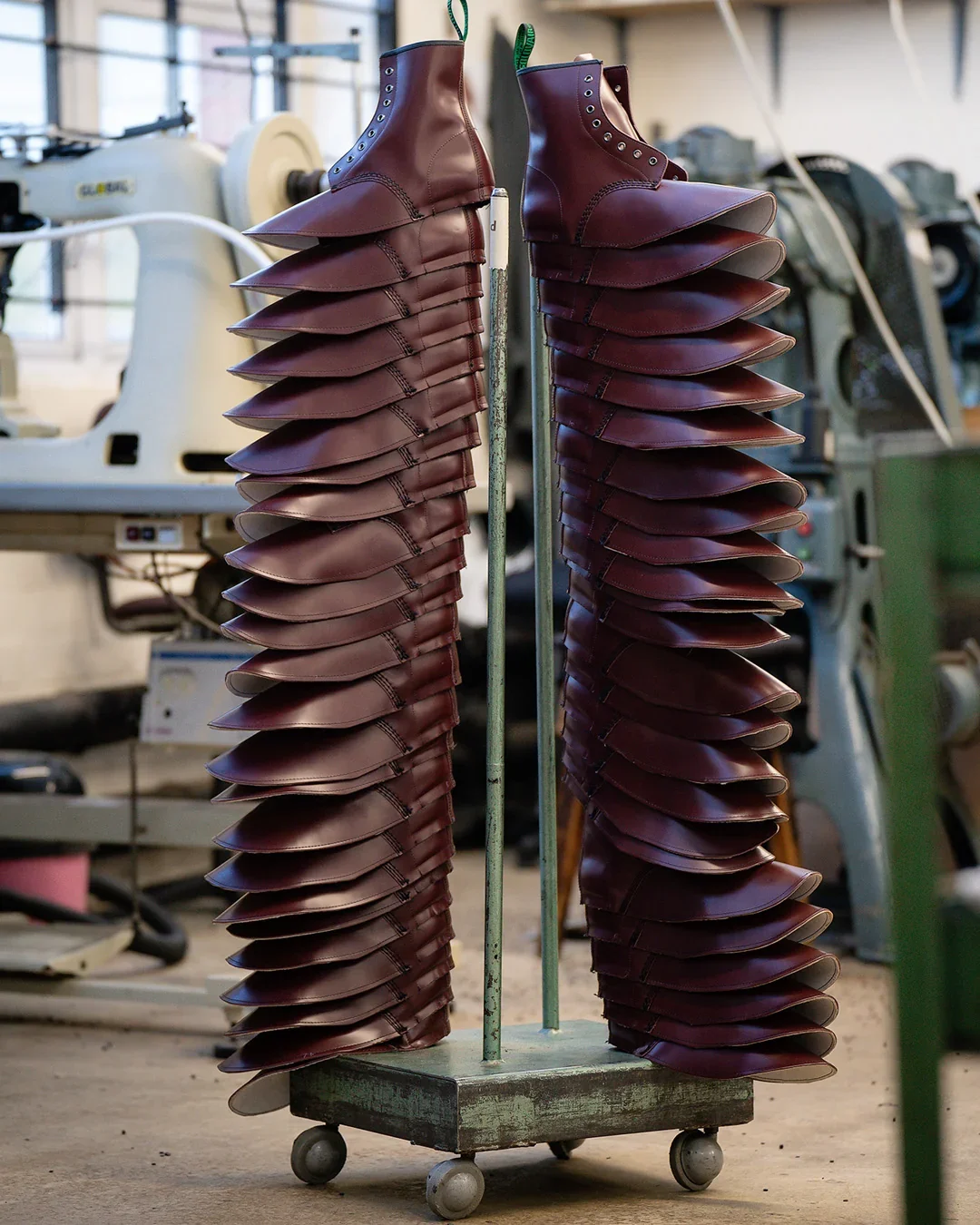
The Northamptonshire Productive Society, known as NPS, had been formed by local shoemakers who wanted to own the means of their own production. By the time the Griggs deal was struck in 1959, NPS had been making boots in the same South Street factory for nearly eighty years. They made the air-cushioned soles. They developed the production process. It took more than 30 people to complete each pair.
The boots went out with both names: Dr Martens made by Solovair.
The NPS & Solovair Mark
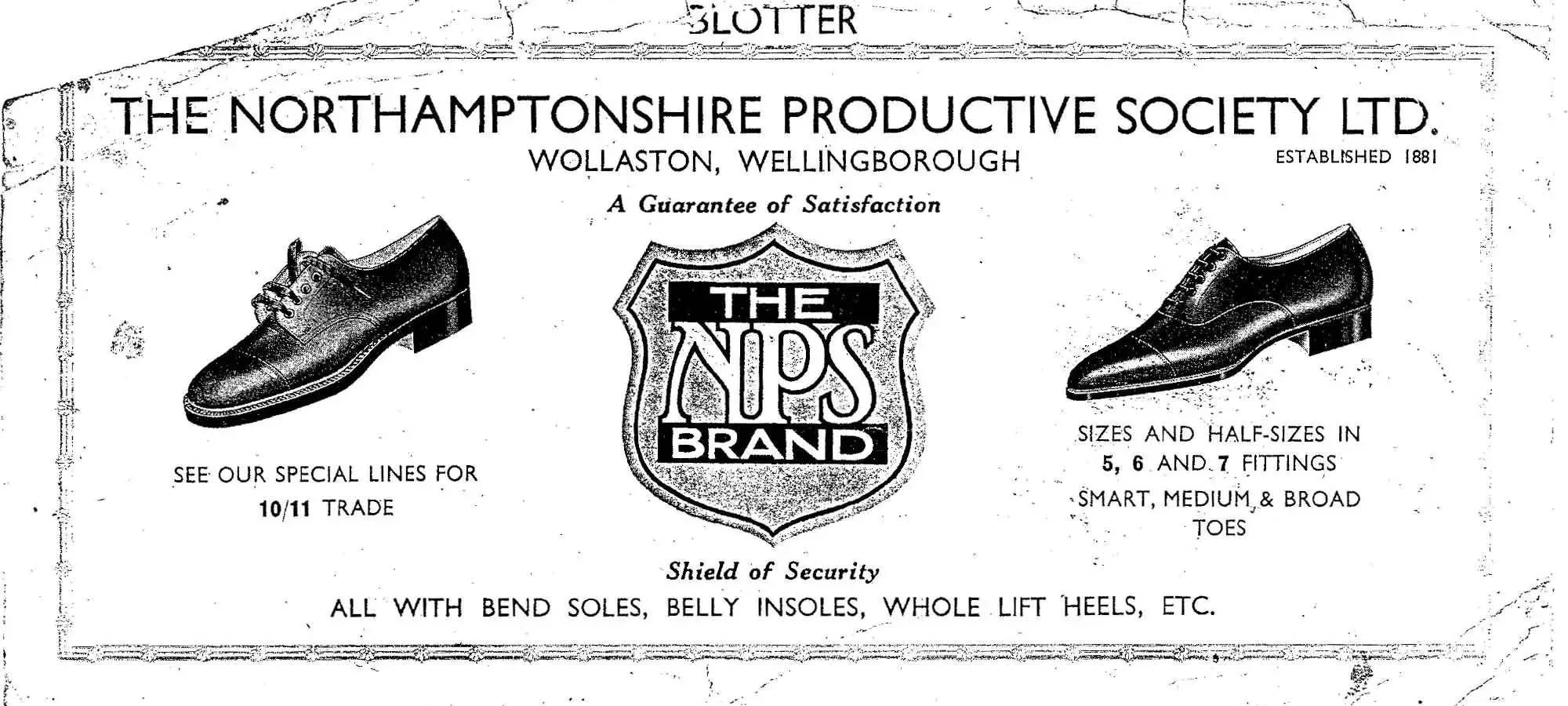
shoebox label from NPS
For 35 years, this arrangement held. Griggs handled the brand and the distribution. NPS handled the craft. Between them, they built one of the most recognisable boots in the world.
In the 1990s, it ended.
Dr Martens, by this point, was facing enormous commercial pressure. Revenue had peaked. The brand decided to scale aggressively and move production offshore to China and Thailand. In 2003, on the 43rd anniversary of the first pair leaving Cobbs Lane, the last pair of British-made Dr Martens left the factory. Five factories closed. Over 1,000 jobs disappeared from Northamptonshire. The Griggs family retained 20 staff, all at head office.
NPS did not close. They still had their factory, their craftspeople, and their lasts and machines. They had made the original sole. They had the process. What they did not have anymore was the Dr Martens name.
So they used their own. They had trademarked Solovair in 1994, in anticipation of exactly this moment. The name means what it always meant: Sole of Air.
"Solovair" is short for "Sole of Air."
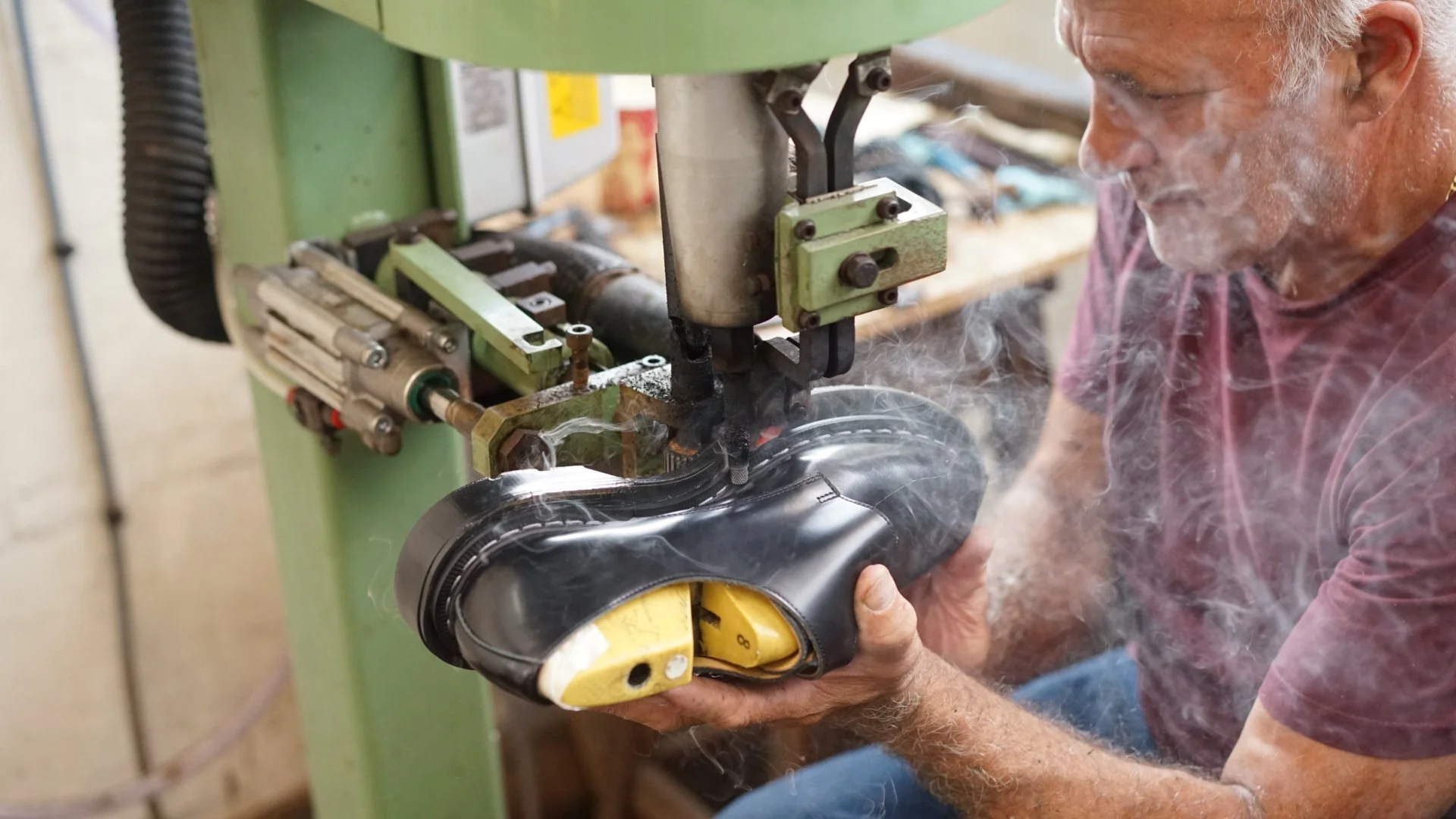
Every pair of Solovair boots is still made in the same Wollaston factory. Still Goodyear welted. Still takes over 30 people to complete. Still uses the same lasts. The sole is fused to the welt with a heat-sealing wheel reaching 700 degrees Celsius. The grey stitching replaces the yellow; the pull loop is green and black; the back says "Made in England since 1881." That last detail is not marketing. It is arithmetic.
Dr Martens, meanwhile, eventually recognised the cultural damage of its offshore move. In 2004, a "Made in England" vintage line relaunched at the Cobbs Lane factory, making about 50 pairs a day. The brand went on to list on the London Stock Exchange in 2021 at a valuation of £3.7 billion. It now sells around 10 million pairs a year, with roughly 1% made in the UK.
Solovair sells a few thousand pairs a year. Every single one made by hand, in Northamptonshire.
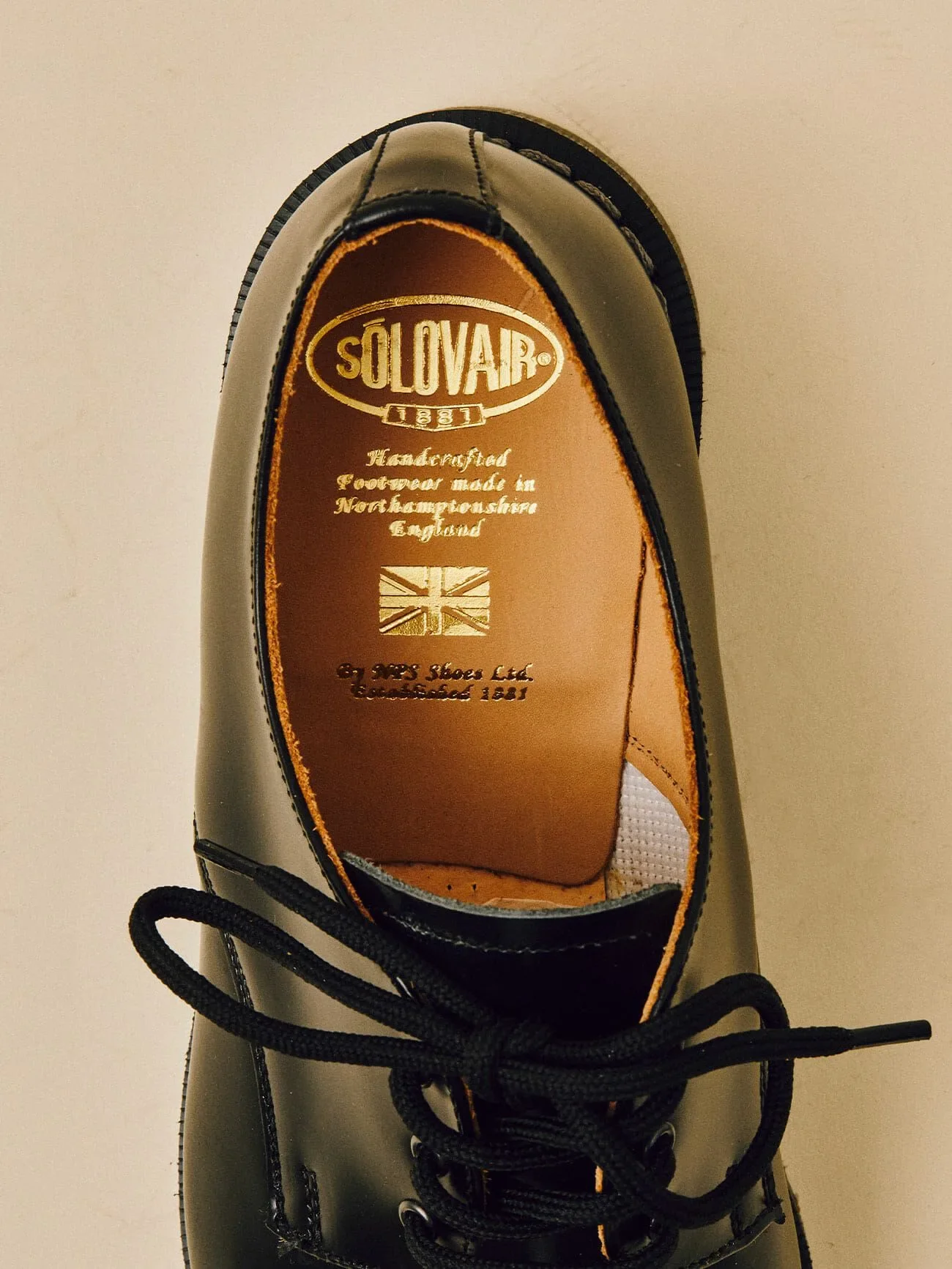
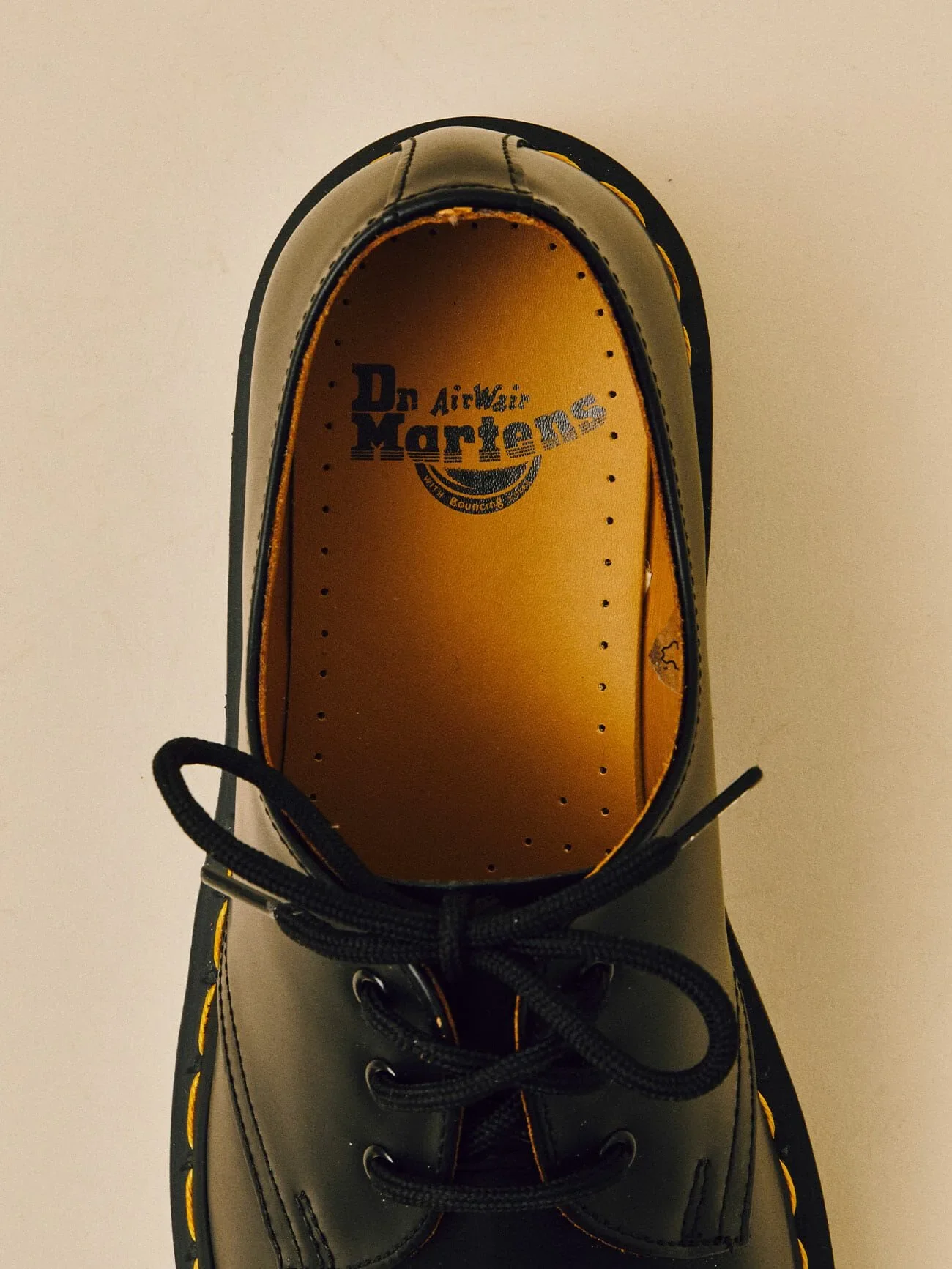
Here is where it gets interesting from a pricing point of view. The standard Dr Martens 1460, made offshore, retails at around £170. The Solovair 8-Eye Derby Boot, made in Wollaston with Goodyear welt construction, costs £199. The Dr Martens Made in England equivalent of the same boot costs £260 to £300.
In other words: the cooperative that never left charges less for the same boot made in the same county than the brand that left and came back. The company that offshored its craft now has to price that craft as a premium.
The question the industry keeps asking is which is the real one. That is probably the wrong question. The more interesting observation is this: two products came from the same factory, the same lasts, the same process, and the same hands. One became a £3.7 billion publicly listed company. The other makes a few thousand pairs a year, charges less for a better-made product, and is quietly considered by many craftspeople to be the superior boot.
The story of Dr Martens and Solovair is not really a story about boots. It is a story about what happens when a design becomes too successful to remain what it was.

Question to ponder:
Dr Martens moved production to survive commercially and nearly lost everything. Solovair stayed small and made the better product. Neither outcome was planned.
When a craft product scales, what exactly gets sacrificed? And is there a version of the story where both things survive at once: the scale and the craft?
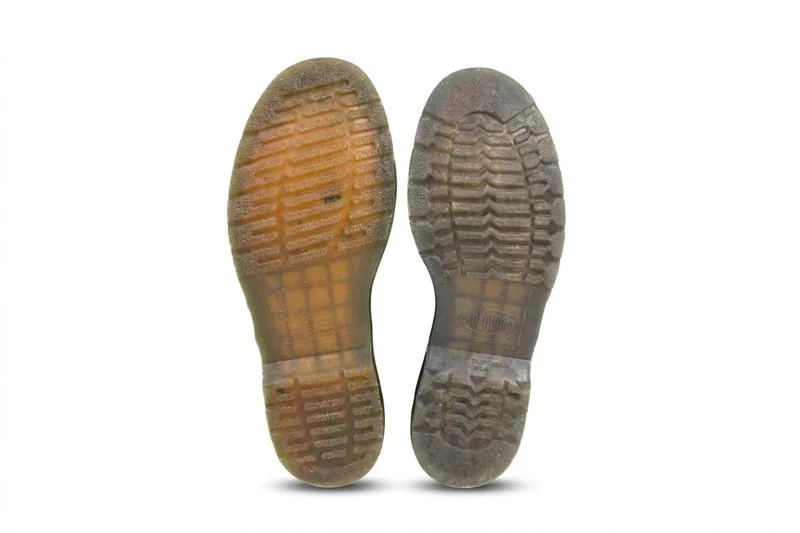
Doc Martens and Solovair outsoles
My Recommends this week:
🏭 NPS Solovair Factory Tour — The Wollaston factory opens its doors for a guided walk through the full production process: Clicking Room, Closing Room, Making Room, and the factory shop at the end with 10% off the current collection. £20 per adult. If the story in this issue left you wanting to see how the boot actually gets made, this is the most direct way to do it.
👉 Book here
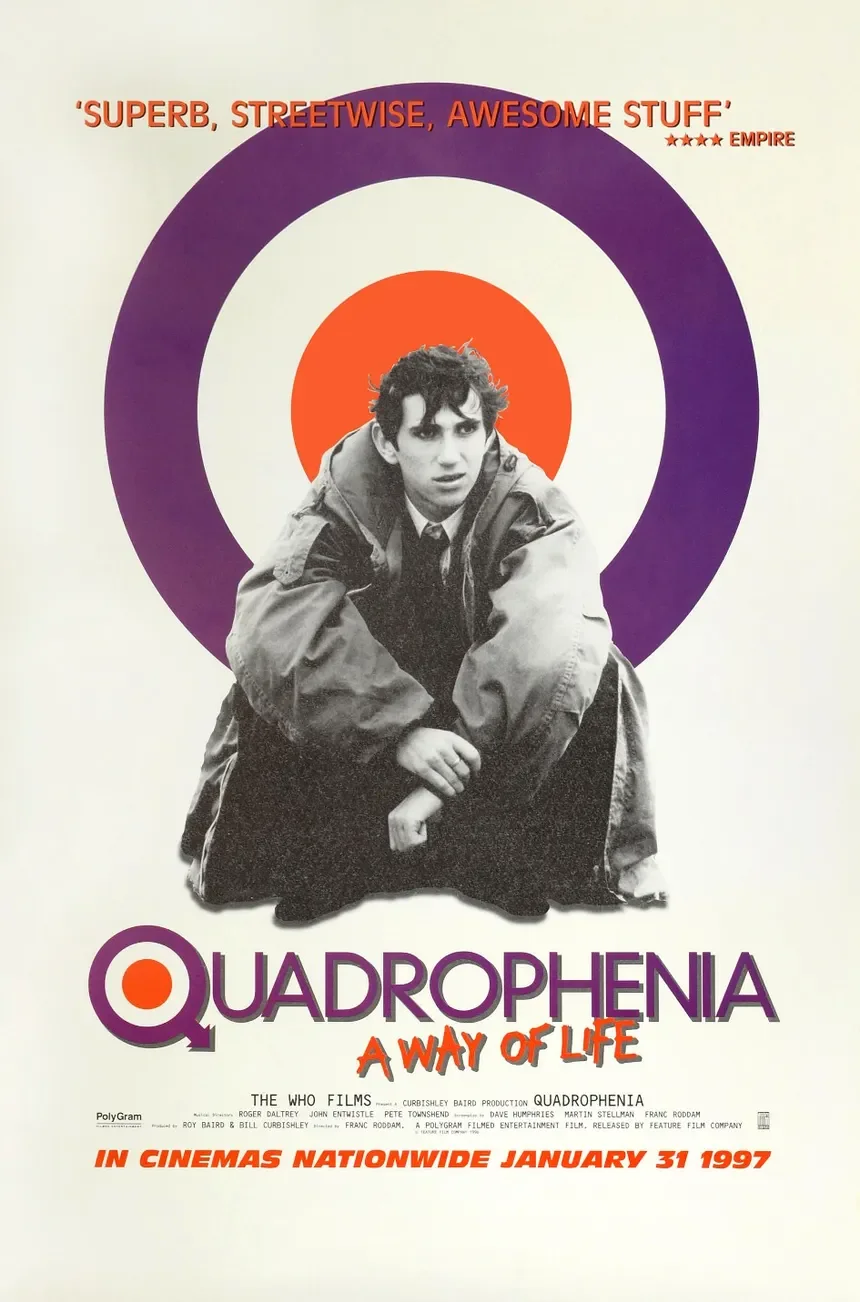
🎬 Quadrophenia (Franc Roddam, 1979) — The Who’s film about mod culture in 1960s Brighton. Pete Townshend wrote the album it’s based on. Given his role in this issue as one of the first major figures to be widely associated with DMs, recommending this has a logic to it. Still one of the best British youth films ever made.
👉 Check out the trailer here
👉 Check out the documentary about the film here (1hr)

🌿 Good On You - Because “Is This Brand Actually Ethical?” Deserves a Real Answer Ever stood in a shop or scrolled a brand’s website wondering how much of their “sustainability” story is genuine and how much is marketing fluff? Good On You rates thousands of fashion brands across labour conditions, environmental impact, and animal welfare - giving each one a score from “Great” to “We Avoid.” It won’t make every purchase easy, but it will make you a harder person to greenwash.
👉 Check it out here
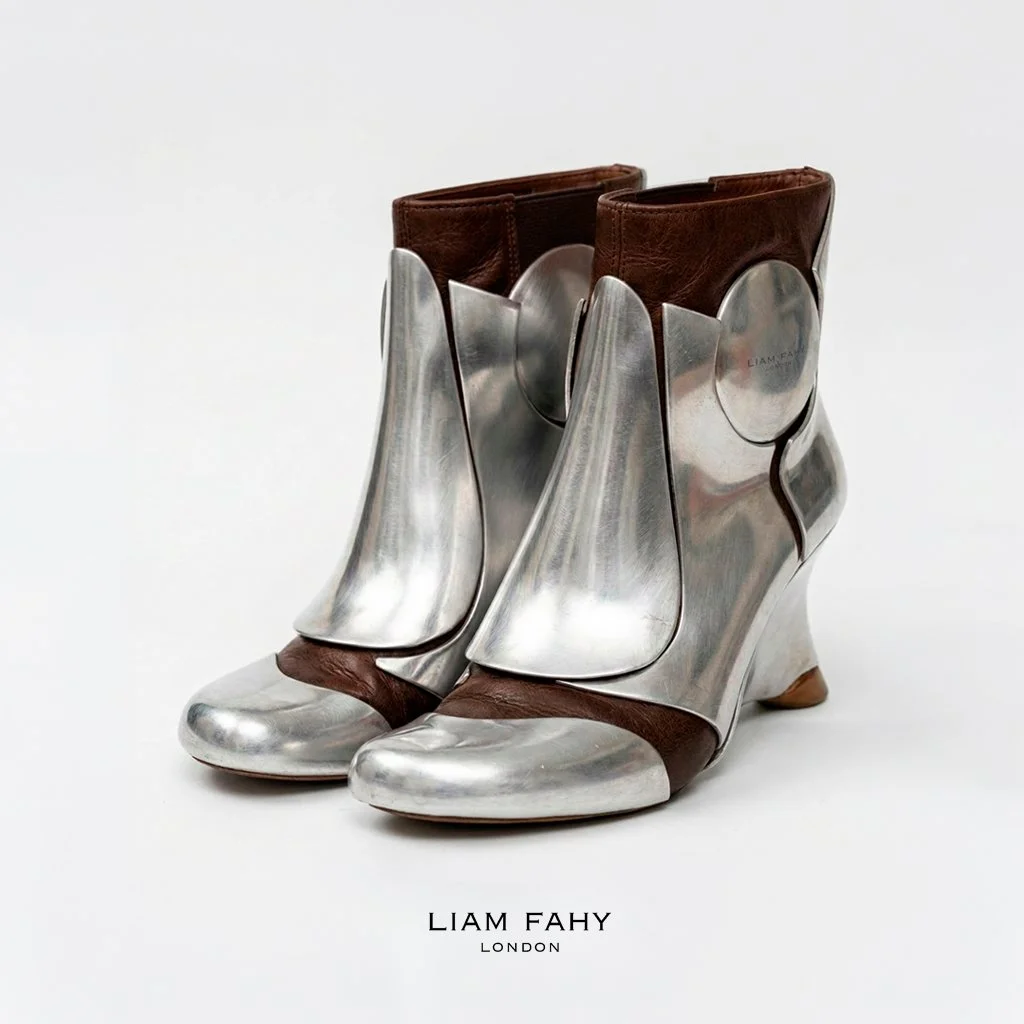
👟 Footwear Prototypes For a deep dive into innovative footwear design where I share original concepts, explore unique shoe materials, and discuss design strategy—all curated for anyone passionate about shoemaking, luxury design, and seeing fresh stuff, check out & follow my LinkedIn feed